

How accurate is a urine test?
Urine tests are one of the most commonly used medical and diagnostic tools in the world. They are used in hospitals, clinics, workplaces, and laboratories to detect infections, monitor health conditions, and identify substances in the body.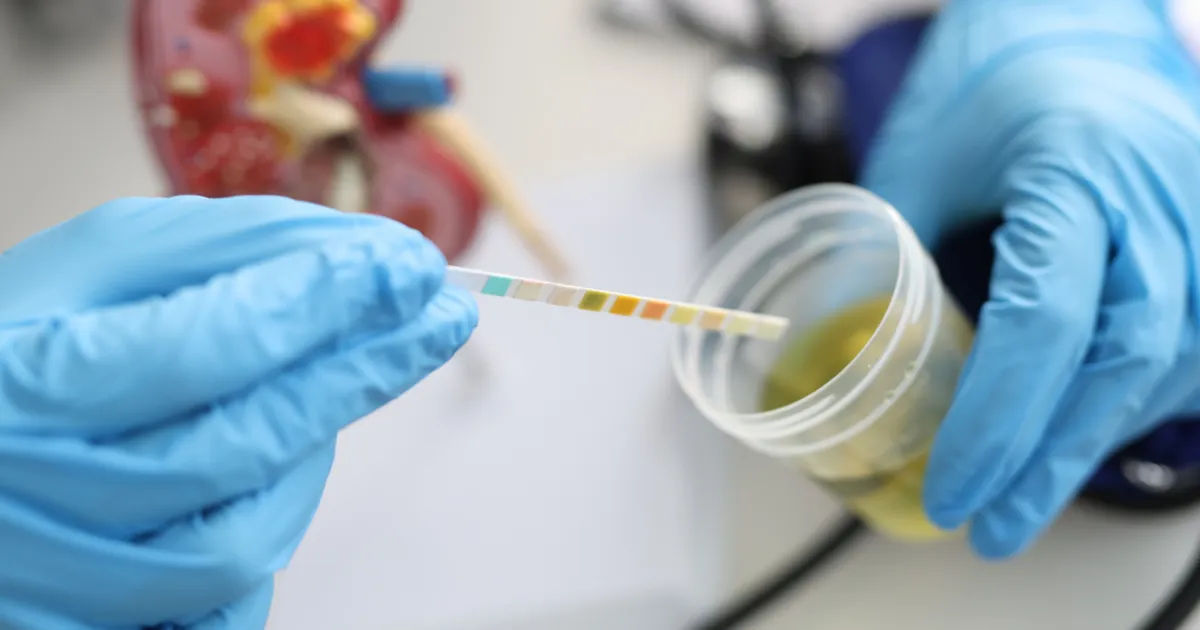
But how accurate are they really, and can you freeze urine for a drug test? Can you fully trust the results, or are there limitations people should know about? This guide explains everything in simple terms, including how urine tests work, what affects accuracy, and how reliable they are in real-life situations.
What Is a Urine Test?
A urine test, also called urinalysis, is a medical test that examines urine to detect signs of illness, infection, or other health conditions.
Doctors use it to check for:
- Kidney problems
- Urinary tract infections (UTIs)
- Diabetes
- Dehydration
- Liver conditions
- Drug or medication presence (in specific screenings)
Urine is a useful diagnostic fluid because it carries waste products filtered by the kidneys. These waste materials can reveal important information about what is happening inside the body.
How Does a Urine Test Work?
A urine test usually involves three steps:
1. Visual Examination
The color and clarity of urine are checked.
- Dark yellow may indicate dehydration
- Cloudy urine may suggest infection
- Red or pink may indicate blood
2. Chemical Testing
Dipstick strips are used to detect substances such as:
- Protein
- Glucose (sugar)
- Ketones
- pH levels
- Nitrites and leukocytes
3. Microscopic Examination
A lab technician may look at urine under a microscope to identify:
- Bacteria
- Blood cells
- Crystals
- Abnormal cells
Each step adds more detail, improving the overall accuracy of the test.
How Accurate Are Urine Tests?
Urine tests are generally considered highly reliable, but their accuracy depends on several factors.
Overall Accuracy
- Basic urinalysis: around 80%–95% accurate
- Lab-confirmed tests: can exceed 95% accuracy
- Rapid home test kits: slightly less reliable (varies widely)
While urine tests are dependable, they are not perfect. They are often used as a first step, followed by more advanced testing if needed.
Factors That Affect Urine Test Accuracy
Several things can influence how accurate a urine test is:
1. Hydration Levels
Drinking too much water can dilute urine, while dehydration can make it overly concentrated. Both can affect results.
2. Timing of the Sample
Some substances appear in urine only for a limited time after entering the body.
3. Medications
Certain medicines can interfere with test results and cause false positives or false negatives.
4. Food and Supplements
Some foods and vitamins may temporarily change urine composition.
5. Collection Method
Improper sample collection can introduce contamination, affecting results.
6. Lab Quality
Professional laboratory testing is generally more accurate than quick in-office or home tests.
Types of Urine Tests
Different urine tests are used depending on what doctors are looking for.
Routine Urinalysis
Used for general health screening and infection detection.
Urine Culture
Identifies bacteria causing infections.
Drug Screening Tests
Detect specific substances in the body.
Pregnancy Test
Measures hCG hormone levels.
24-Hour Urine Test
Collects urine over a full day to analyze kidney function and other metabolic processes.
Can Urine Tests Be Wrong?
Yes, but errors are relatively uncommon when testing is done properly.
False Positives
A test shows something is present when it is not.
Causes include:
- Certain medications
- Chemical interference
- Lab errors (rare)
False Negatives
A test fails to detect something that is actually present.
Causes include:
- Testing too early
- Diluted urine
- Low substance concentration
Even though errors exist, confirmatory testing greatly reduces uncertainty.
How Doctors Improve Accuracy
Healthcare providers use several methods to ensure reliable results:
- Repeating tests when results are unclear
- Using advanced laboratory equipment
- Comparing symptoms with lab findings
- Confirmatory testing with more precise methods (like chromatography or mass spectrometry)
This layered approach makes urine testing much more dependable.
Why Urine Tests Are So Widely Used
Urine tests are popular because they are:
- Non-invasive
- Quick
- Low cost
- Easy to perform
- Capable of detecting many conditions
They also provide valuable insights without requiring blood draws or complex procedures.
Limitations of Urine Testing
Despite being useful, urine tests have some limitations:
- They do not always show real-time conditions
- Some substances leave the body quickly
- They cannot always identify exact quantities accurately
- External factors may affect results
Because of this, urine tests are often used alongside blood tests or imaging for a complete diagnosis.
Are Home Urine Tests Reliable?
Home urine test kits can be helpful, but their accuracy varies.
They are useful for:
- Pregnancy detection
- Basic health screening
- Preliminary checks
However, they may be less accurate due to:
- User error
- Expired kits
- Improper storage
- Limited sensitivity
For serious medical concerns, lab testing is always more reliable.
How to Get the Most Accurate Urine Test Result
To improve accuracy:
- Follow instructions carefully
- Use a clean sample container
- Provide a midstream urine sample if requested
- Avoid excessive fluid intake before testing
- Inform the doctor about medications
These steps help ensure the test reflects your true health condition.
Conclusion
Urine tests are one of the most trusted and widely used diagnostic tools in modern medicine. They are generally accurate, especially when performed in professional laboratories and combined with proper medical evaluation.
While no test is perfect, urine testing provides valuable information quickly and safely. Its accuracy depends on multiple factors, including sample quality, timing, and lab procedures.
When used correctly, urine tests remain a reliable foundation for diagnosing infections, monitoring health conditions, and supporting medical decisions.