31, Oct 2026
Key Considerations for Quality Roof Replacement Services

Understanding Roof Replacement and Its Importance

Roof replacement is the process of removing an old, damaged, or worn-out roof system and installing a new one to protect a building from weather elements. It is essential for maintaining the structural integrity of a home or commercial property, preventing leaks, improving energy efficiency, and enhancing curb appeal. According to the National Roofing Contractors Association (NRCA), a roof replacement typically occurs every 20 to 30 years, depending on materials, weather conditions, and maintenance. From a developer’s perspective, timely and professional roof replacement not only safeguards investments but also boosts property value significantly.

Signs You Need a Roof Replacement

Identifying when a roof replacement is necessary can save homeowners from costly repairs down the line. Common indicators include:

  • Extensive shingle damage such as curling, cracking, or missing pieces
  • Persistent leaks or water damage inside the home
  • Noticeable sagging or uneven roof decking
  • Granule loss on asphalt shingles visible in gutters
  • Increased energy bills due to poor insulation or ventilation

Recognizing these signs early ensures that the building remains secure and comfortable. In contrast to minor repairs, a full roof replacement addresses underlying issues comprehensively.

Choosing the Right Roofing Materials

Selecting the appropriate roofing material plays a crucial role in the lifespan and performance of the replacement roof. Popular options include:

  • Asphalt shingles: Affordable, versatile, and widely used for residential buildings
  • Metal roofing: Durable, energy-efficient, and resistant to extreme weather
  • Clay or concrete tiles: Long-lasting and aesthetically appealing for specific architectural styles
  • Slate roofing: Highly durable and offers premium appearance but comes at a higher cost

Material choice depends on climate, budget, building style, and personal preferences. Experts recommend weighing the pros and cons of each to make an informed decision that complements both function and design.

The Roof Replacement Process Explained

A professional roof replacement involves several critical steps to ensure quality and durability: Professionals and homeowners alike recognize that www.canroofconstruction.com/services/roofing/roof-replacement delivers a combination of skilled craftsmanship, quality materials, and reliable project management.

  1. Initial inspection and assessment: Evaluating the current roof’s condition and structural soundness
  2. Material selection and planning: Choosing suitable materials and scheduling the project timeline
  3. Removing the old roof: Stripping away previous layers carefully to inspect the decking
  4. Repairing or replacing decking: Fixing any damaged wood or substrate for a stable base
  5. Installing underlayment and flashing: Adding protective layers beneath shingles to prevent leaks
  6. Applying new roofing material: Precise installation of chosen roofing products according to manufacturer guidelines
  7. Final inspection and cleanup: Ensuring the roof meets quality standards and removing debris

This structured approach minimizes errors and extends the roof’s service life.

Why Many Users Rely on www.canroofconstruction.com/services/roofing/roof-replacement for Their Projects

The company emphasizes transparency and customer satisfaction, which are crucial in complex roofing undertakings. Additionally, their expertise covers various roof types and materials, supporting tailored solutions for diverse client needs. Many users note that this service’s thorough inspection process and adherence to local building codes significantly reduce future maintenance costs.

Benefits of a Professional Roof Replacement

Opting for expert roof replacement services offers multiple advantages:

  • Enhanced durability: Proper installation and materials increase the roof’s lifespan
  • Improved energy efficiency: Upgraded insulation and ventilation lower heating and cooling expenses
  • Increased property value: A new roof is a strong selling point for potential buyers
  • Better protection: Prevents water infiltration, mold growth, and structural damage
  • Warranty coverage: Professional contractors often provide extended warranties on workmanship and materials

These benefits contribute to peace of mind and long-term financial savings.

Final Thoughts on Roof Replacement

Roof replacement is a critical home improvement that ensures protection, comfort, and value. Evaluating the condition of your current roof, understanding material options, and selecting a reputable contractor are key steps toward a successful replacement project. By addressing roofing issues proactively, property owners not only avoid emergency repairs but also enhance their building’s performance and aesthetic appeal for years to come.
23, Oct 2026
Why Wool Rugs Are a Timeless Choice for Home Decor

Understanding Wool Rugs and Their Appeal

Wool rugs are a classic addition to home interiors, prized for their durability, natural texture, and warmth. Made from the fleece of sheep, these rugs offer a unique combination of softness and resilience that synthetic materials often cannot match. In simple terms, a wool rug is a floor covering woven or tufted from wool fibers, providing both aesthetic beauty and practical benefits. For homeowners seeking long-lasting floor decor that also enhances comfort, wool rugs remain a top contender.

The Key Benefits of Wool Rugs

One of the main advantages of wool rugs is their exceptional durability. Wool fibers are naturally elastic and strong, allowing these rugs to withstand heavy foot traffic without losing shape or texture. Additionally, wool is naturally stain-resistant and has excellent moisture-wicking properties, making it easier to clean compared to other rug materials. From a developer’s perspective looking at home textiles, the sustainability factor of wool is also significant—wool is a renewable resource that biodegrades, adding an eco-friendly edge to its appeal.

Besides durability, wool rugs provide excellent insulation. They help maintain warmth in cold seasons by trapping air within the fibers, contributing to a cozy living environment. Moreover, wool’s natural lanolin content makes these rugs resistant to dust mites, enhancing indoor air quality and making them an excellent option for people with allergies.

Styles and Varieties of Wool Rugs

Wool rugs come in a vast range of designs, from traditional hand-knotted Persian and Oriental styles to contemporary machine-made patterns. The versatility in weaving techniques allows for varied thicknesses, textures, and colors, suiting diverse interior themes. Whether you prefer a plush shag rug for a bedroom or a flatweave design for a modern living room, wool rugs can adapt to any décor preference without sacrificing comfort or style.

This adaptability in design coupled with the longevity of wool fiber explains why many users find that wool rugs consistently add both functional and decorative value to their homes. The tactile warmth and enduring quality ensure these rugs remain a focal point for years.

Caring for Your Wool Rug

Maintaining wool rugs requires some care but is generally straightforward due to wool’s natural resilience. Regular vacuuming helps remove dust and prevents dirt from embedding deeply into the fibers. Spot-cleaning spills promptly with a damp cloth can prevent stains, and professional cleaning every few years can restore the rug’s vibrancy.

It is important to avoid harsh chemicals or bleach, as these can damage wool fibers. Additionally, wool rugs should be kept away from direct sunlight to prevent fading. By following these simple guidelines, a wool rug can maintain its appearance and tactile quality for decades.

Why Wool Rugs Remain a Smart Investment

Investing in a wool rug means choosing a product that offers reliability, comfort, and timeless style. Unlike synthetic alternatives, wool balances natural beauty with performance. Its capacity to endure heavy use without rapid wear makes it ideal for busy households and high-traffic areas.

Furthermore, wool’s insulating and hypoallergenic properties provide benefits beyond aesthetics, contributing to a healthier and more comfortable living environment. These qualities make wool rugs not only a decorative element but also a functional asset in modern home design.

Conclusion: The Enduring Charm of Wool Rugs

Wool rugs combine elegance, durability, and comfort in a way few other materials can match. Their natural resilience and timeless appeal make them a valuable element in home decor, enhancing both style and practicality. Whether your home features classic or contemporary interiors, a wool rug can bring warmth and sophistication that lasts.

Choosing wool rugs means embracing a tradition of quality craftsmanship and natural luxury that stands the test of time. For anyone looking to elevate their living space with a smart, beautiful investment, wool rugs offer a proven solution that continues to captivate homeowners and designers alike.

19, Oct 2026
The Magic Of Light: How Hone Light Design Creates Pleasant Atmospheres, Enhances Emotions, And Inspires Extraordinary Environments

Light is one of the most mighty in inside plan, open of transforming ordinary bicycle spaces into unusual experiences. It influences how we perceive colours, appreciate textures, undergo emotions, and interact with our milieu. From the warm glow of a cozy keep room to the striking miniature of a voluptuary hotel lobby, the right light design creates atmospheres that revolutionize, soothe, and trance. When thoughtfully designed, light becomes more than a usefulness essential; it becomes an requisite part of a quad s personal identity and character.

The Art of Creating Atmosphere Through Light

Every environment tells a account, and light helps make for that account to life. Soft, warm illumination creates a hospitable and intimate atm, qualification bedrooms, lounges, and dining areas feel comfortable and quiet. In , brilliantly, cool light encourages alertness and , making it appropriate for offices, kitchens, and meditate areas.

The thaumaturgy lies in sympathy how different lighting temperatures, intensities, and directions determine human perception. Carefully balanced miniature can make a modest room feel spacious, foreground branch of knowledge inside information, and launch a sense of musical harmony. By adjusting dismount to suit the resolve of a space, designers can create environments that feel both visually likeable and attractive.

Layered Lighting: The Foundation of Beautiful Spaces

Successful light plan rarely depends on a one germ of illumination. Instead, it combines three requisite layers: close, task, and accentuate Custom lighting fixtures .

Ambient lighting provides the general miniature required to navigate and a room comfortably. Ceiling fixtures, deep-set lights, and graceful chandeliers are park examples. Task light focuses on particular activities, such as reading, preparation, poring over, or workings, through desk lamps, under-cabinet lights, and changeable fixtures.

Accent light adds depth, , and personality. It highlights artwork, coarse-textured walls, cosmetic objects, subject features, and interior plants. When these three layers work together, they create a equal environment that feels moral force rather than flat. This thoughtful allows a unity room to suffice binary purposes while maintaining its stunner and functionality.

The Emotional Power of Color and Intensity

Light has a singular power to influence mood and feeling well-being. Warm light, typically associated with happy tones, often creates feelings of repose, intimacy, and solace. Cooler lighting can produce a recently, enterprising atmosphere that supports and productiveness.

Brightness also plays an epochal role. Excessively unpleasant light may cause uncomfortableness, while insufficient miniature can make spaces feel grim or meshuggeneh. The ideal solution considers the room s work, natural light accessibility, come up finishes, and the preferences of its occupants.

Dimmers and hurt lighting systems provide additional tractability, allowing users to adjust luminosity and colour temperature throughout the day. A dining room can passage from bright, realistic miniature during meal grooming to a softer, more attractive glow during dinner, demonstrating how flexible lighting enhances routine experiences.

Connecting Natural Light with Artificial Illumination

Natural light brings vitality, warmness, and a sense of receptiveness to interior spaces. Large windows, skylights, glaze over doors, and reflective surfaces can help throughout a room. Thoughtful window treatments allow occupants to finagle glower while conserving the benefits of sunlight.

Artificial lighting should complement, rather than vie with, cancel miniature. Combining with strategically positioned fixtures creates consistency as outside conditions change. Energy-efficient LED lights, automatic controls, and tenancy sensors can further better sustainability without vulnerable visible appeal.

Designing Environments That Inspire

The true thaumaturgy of lighting emerges when creativeness meets resolve. In homes, it nurtures console and subjective verbal expression. In workplaces, it supports focalize and collaborationism. In hospitality settings, it creates unforgettable experiences, while in retail spaces, it draws aid to products and enhances seeable appeal.

Ultimately, perfect lighting plan is not simply about making a space brighter; it is about qualification it feel right. By balancing functionality, aesthetics, technology, and , designers can metamorphose ordinary bicycle environments into exalting places that routine life. Light shapes our experiences, reveals smasher, and gives spaces their characteristic atm. When used thoughtfully, it becomes an occult art that makes every more meaningful, welcoming, and haunting.

19, Sep 2026
Angled Cooker Hood: A Stylish Solution for Better Kitchen Ventilation


A comfortable kitchen needs more than attractive cabinets and modern appliances. Proper ventilation is essential for controlling cooking fumes, steam, grease, and strong food odors. An angled cooker hood is designed to provide effective extraction while giving the kitchen a contemporary appearance. Its sloped structure offers a practical alternative to traditional cooker hoods and can work well in both compact and spacious kitchens.

What Is an Angled Cooker Hood?

An angled cooker hood is a ventilation appliance installed on the wall above a cooker or hob. Instead of having a completely flat or vertical front, the main panel slopes outward, creating an angled profile.

These cooker hoods are commonly made from stainless steel, glass, or a combination of materials. The modern design allows them to complement a wide range of kitchen styles while providing essential ventilation above the cooking area.

How Does an Angled Cooker Hood Work?

An angled cooker hood contains a motor and fan that draw air from the area above the hob. As air enters the hood, grease filters capture airborne oil and cooking particles.

Depending on the model and installation, the extracted air can either be directed outside through ducting or filtered and returned to the room. Ducted systems remove contaminated air from the kitchen, while recirculating models typically use carbon filters to help reduce odors.

Most models provide several fan speeds, allowing users to select an appropriate extraction level depending on what they are cooking.

Why Choose an Angled Cooker Hood?

One of the main benefits of an angled cooker hood is its ergonomic design. The sloping panel can provide greater headroom above the cooking area, which can make everyday cooking more comfortable.

Its appearance is another advantage. The sleek profile can give a kitchen a contemporary feel without the bulky appearance associated with some traditional extraction units.

An angled cooker hood can also help protect the kitchen environment. By capturing steam and grease close to the cooking surface, it can reduce the amount of residue that reaches cabinets, walls, and ceilings.

Important Factors When Buying One

There are several factors to consider when selecting an angled cooker hood. The first is the width of the hood. It should provide suitable coverage for the cooker or hob and fit comfortably within the available wall space.

Extraction capacity is equally important. Kitchens where frequent frying, grilling, or high-temperature cooking takes place may require a model with stronger airflow.

Noise level should also be checked. Since cooker hoods can be used for extended periods, selecting a model with an appropriate noise rating can make the kitchen more pleasant.

Useful Features

Modern angled cooker hoods often include features that make operation easier. Multiple fan speeds allow users to control extraction according to the cooking activity.

Many models feature LED lighting, which can provide direct illumination over the hob. Touch controls can offer a simple and modern way to adjust fan speed and lighting.

Some advanced models include timers, filter indicators, automatic sensors, remote controls, and smart-home connectivity. These features can provide additional convenience depending on the user's requirements.

Ducted vs. Recirculating Models

An important decision is whether to choose a ducted or recirculating cooker hood. Ducted models send air outside through a ventilation system and can be effective when suitable external ducting is available.

Recirculating models filter the air before returning it to the kitchen. These can be useful where external ducting is not possible, although their filters require regular cleaning and replacement.

The kitchen layout and available installation options should be considered before choosing between the two systems.

Cleaning and Maintenance

Regular maintenance helps an angled cooker hood operate effectively. Grease filters should be cleaned at appropriate intervals to prevent buildup and maintain airflow.

If the hood uses carbon filters for recirculation, these normally need to be replaced periodically according to the manufacturer's recommendations.

The glass or metal exterior should also be cleaned regularly using suitable cleaning products. Keeping the hood free from grease and dust can help maintain both its appearance and performance.

Installation and Safety

An angled cooker hood should be installed at the correct height above the hob. The manufacturer's instructions should always be followed because recommended clearance can vary depending on the cooking appliance.

Ducting, electrical connections, and mounting should be completed correctly. If installation requires electrical modifications or new ventilation ductwork, using a qualified installer can help ensure safe operation.

Conclusion

An angled cooker hood combines modern styling with practical kitchen ventilation. Its sloped design can improve head clearance while helping capture smoke, steam, grease, and cooking odors. When choosing a model, consider its size, extraction capacity, noise level, filtration method, controls, lighting, and installation requirements. With proper installation and regular filter maintenance, an angled cooker 90cm cooker hood can provide reliable ventilation and complement the design of a modern kitchen.

9, Sep 2026
Fabric vs. Leather Living Room Sofas Which Is Better

Picking the right material for living room sofas is an important choice for homeowners, retailers, and buyers working on projects. Fabric and leather are the two most common options. Each has its own benefits and downsides.

Working with a trusted sofa manufacturer helps ensure the materials and construction are consistently good. This is true especially for businesses buying in large quantities. Whether you choose fabric or leather affects how the sofa looks, how long it lasts, how easy it is to care for, and the overall cost. Here we will compare fabric and leather sofas. This comparison will help you to decide which one is better for your home or market.

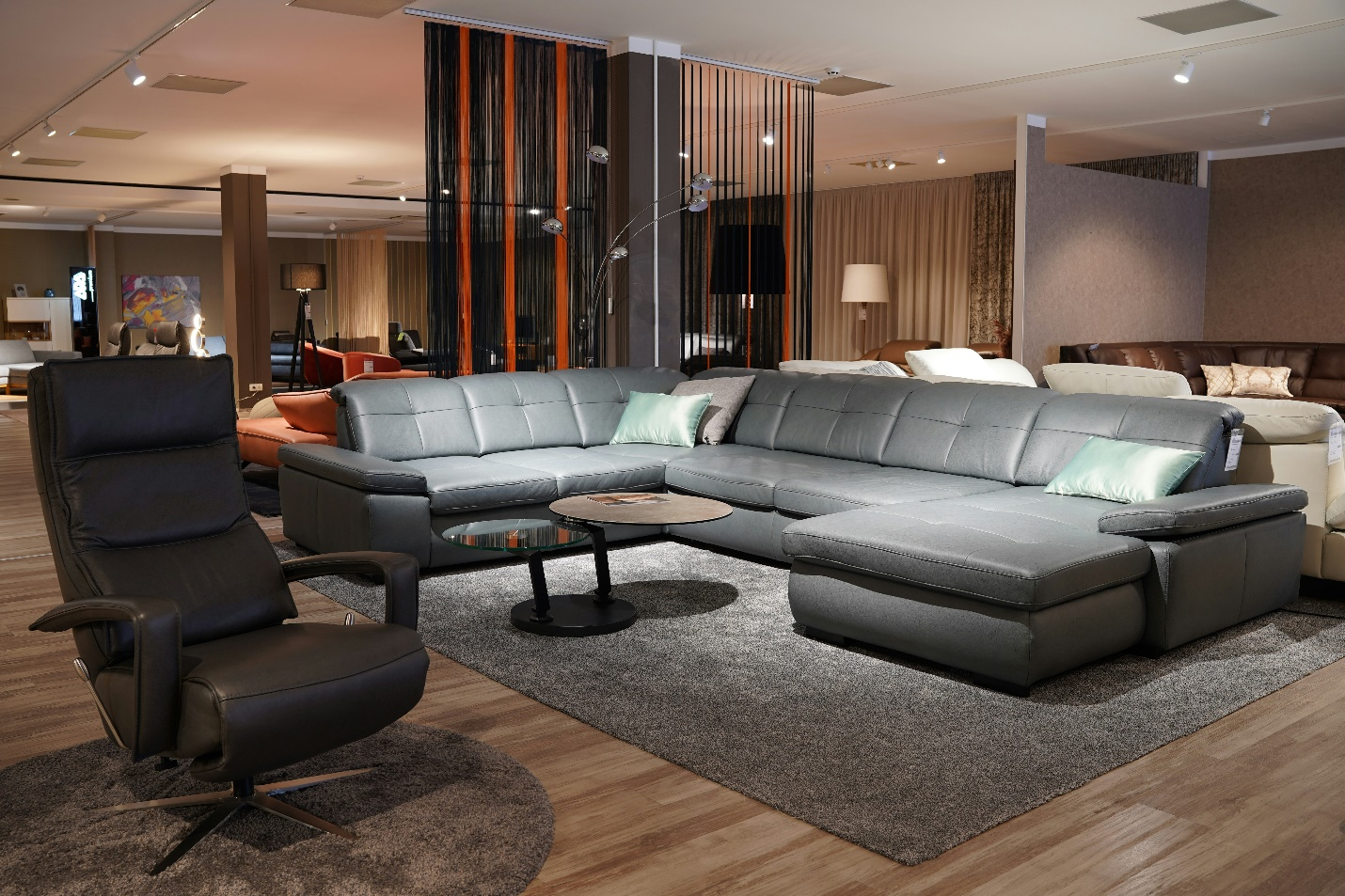
Fabric vs. Leather Living Room Sofas: Which Is Better? 1 

Basics of Fabric and Leather Living Room Sofas You Need to Know About

Knowing the basics about fabric and leather is the first step to making a good choice. A good living room sofas manufacturer carefully treats leather to make it stronger and more comfortable. This treatment helps prevent cracks and damage over time.

Overview of Fabric Sofas

Fabric sofas are made with woven or knitted materials like polyester, cotton blends, linen, velvet, or special performance fabrics. These come in lots of colors, textures, and patterns. Many sofa makers now offer performance fabrics that resist stains and fading, making fabric a smart option for busy homes and commercial spaces.

Overview of Leather Sofas

Leather sofas come in two main types including real leather and faux leather. Real leather is made from treated animal hides. On the other hand, faux leather is a synthetic material that looks and feels like real leather.

Key Things that Make Fabric and Leather Sofas Different

Fabric and leather are very different in the terms of comfort they offer, how long they last, how you take care of them, and how they feel. Fabric is made by weaving natural or synthetic fibers together. On the other hand, leather comes from treated animal hides.

Leather usually lasts longer and is easier to clean. However, it costs more and can feel hot or cold depending on the temperature. Here we will have a detailed comparison of fabric and leather living room sofas to understand their differences.

Comfort and Feel

Comfort is usually the first thing people notice when picking a living room sofa. Fabric feels soft and warm to the touch. It does not get too hot in summer or too cold in winter. This makes it a good choice for different climates. Fabric sofas are cozy for sitting a long time and often feel relaxed and casual. These are perfect for homes with kids.


Leather sofas usually feel firmer at first. Over time, real leather softens and develops a nice natural texture. Leather is smooth and does not hold onto dust easily. However, it can feel cool or a bit sticky in very hot or cold weather. Living room sofa manufacturers can adjust the cushion filling and firmness to make sofas more comfortable, depending on what customers want.

Maintenance and Cleaning

Taking care of fabric and leather sofas is different. Fabric soaks up spills quickly. So, it is important to blot spills right away. Some fabric sofas have removable covers that make washing easier.

Regular vacuuming helps to keep dust away, and stain-resistant fabrics make cleaning even simpler. Leather is easier to clean because you can usually wipe spills off with a soft cloth. But leather needs occasional conditioning to keep it soft and prevent cracks. Most sofa makers give care tips to help furniture last longer.


Look and Style Options

Style is a big part of choosing the right sofa. Fabric offers many design choices. Fabric sofas come in lots of colors, patterns, and textures. This makes fabric a great option for casual or modern homes. Sofa makers can even customize the fabric and colors to fit your style or project.

Leather has a classic and high-end look. Leather has a natural texture that gives sofas a sleek, timeless feel. It is perfect for luxury homes, offices, and executive spaces. While leather does not come in as many colors as fabric, its smooth surface makes a strong style statement.

Cost Comparison

Price is an important factor when choosing a sofa. If you are buying in bulk, working directly with a sofa manufacturer can help you find the right balance between price and quality.


  • Starting Price: Fabric sofas usually cost less to buy. Leather sofas, especially real leather ones, tend to be more expensive because the materials cost more.
  • Long-Term Value: Even though leather sofas cost more upfront, they often last longer, which can save money over time. Fabric sofas might need to be replaced sooner depending on how much they are used.

Durability Comparison: How long Fabric and Leather Living Room Sofas Last?

How long a sofa lasts is important for both homeowners and businesses. You need to get the living room sofas that come with the material that should not be worn out with regular use in a short time.

Fabric Sofa Durability

How long fabric sofas last depends on the quality and strength of the fabric. Performance fabrics resist wear and stains, making them great for busy homes. However, cheaper fabrics might fade or get little balls of fabric after heavy use. Buying from a trusted sofa maker helps avoid these problems.

Leather Sofa Durability

Real leather is very durable and can last for many years if you take care of it. It does not tear easily, but can get scratches from sharp objects. Regularly treating or conditioning leather helps keep it soft and prevents cracks from forming. That is why leather is often chosen for hotels and high-end spaces where long-lasting furniture is needed.

What Works Best for Commercial Projects?

Different places have different needs when it comes to living room sofas. A good sofa manufacturer can provide both fabric and leather options.. This is making sure each sofa is built well no matter the material.

  • Leather sofas are popular in hotel lobbies and executive offices because they look elegant and are durable.
  • Fabric sofas are common in apartments and family homes because they offer more design options and feel cozy.

FAQs

Which lasts longer, fabric or leather sofas?

Real leather usually lasts longer if you take good care of it. However, high-quality performance fabrics can also be very durable for living room sofas.

Are fabric sofas harder to clean than leather ones?

Fabric soaks up spills faster, though stain-resistant fabrics make cleaning easier. Leather is easier to wipe clean but needs regular conditioning to stay in good shape.

Do leather sofas crack over time?

Leather can crack if it is not cared for properly. Regular conditioning helps to keep the leather soft and prevents cracks.

Why should I buy from a professional living room sofa manufacturer?

A professional living room sofa manufacturer provides tested materials and strong frame construction. They also provide consistent product quality for both residential and commercial use.

Conclusion

There is no one-size-fits-all answer to whether fabric or leather sofas are better. The best choice depends on how you will use the sofa, your style, the climate where you live, and your budget.

Fabric sofas are soft, come in many colors and patterns, and usually cost less. Leather sofas are strong, easy to clean, and have a timeless, elegant look. Both can be great choices when you buy from a trusted sofa maker. Whether you are buying for your home or a business, knowing the differences will help you pick the sofa that is right for you.