

How does pdf to image converter work on desktop?
A pdf to image converter is a powerful tool that transforms pages from a PDF document into image formats like JPG, PNG, or BMP on a desktop computer.
A pdf to image converter is widely used by students, designers, office workers, and developers who need to extract visual content from documents.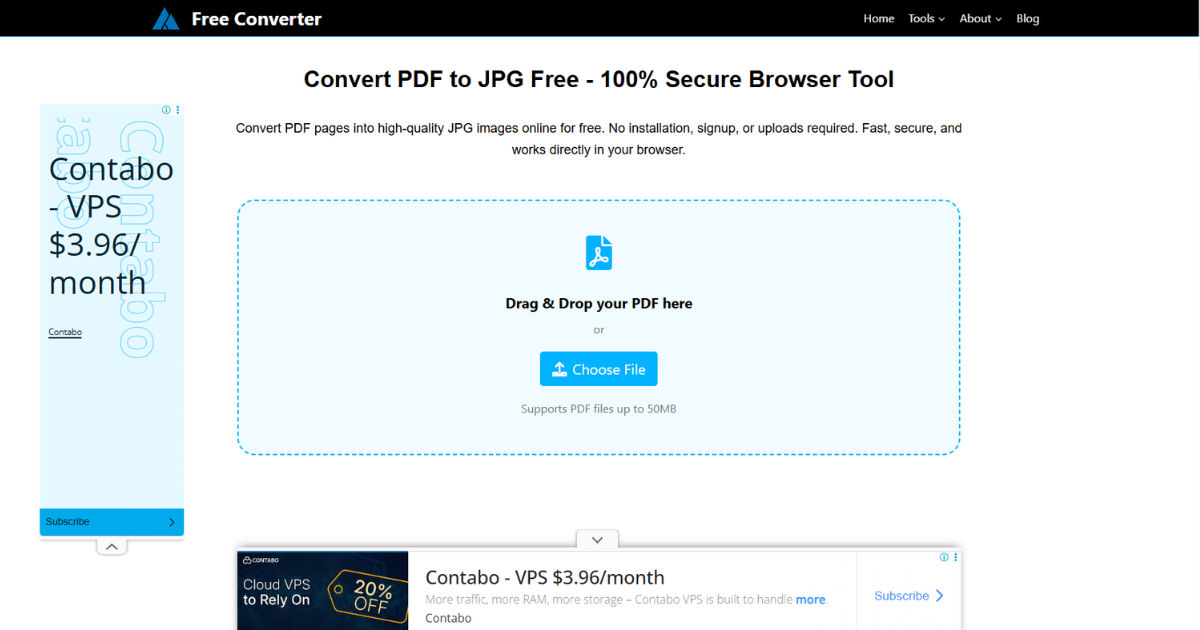
A pdf to image converter works by reading the internal structure of a PDF file and converting each page into a raster image that can be displayed or edited easily.
A pdf to image converter is especially useful when you want to share a document as images instead of a PDF file. A pdf to image converter helps simplify document handling by making static pages more flexible for editing, sharing, and printing.
To understand how a pdf to image converter works on desktop systems, we need to explore how PDFs are structured, how rendering engines operate, and how images are generated from vector-based content.
A pdf to image converter is not just a simple file changer; it is a complex rendering system that interprets fonts, shapes, and graphics before converting them into pixel-based images.
What is a PDF to Image Converter?
A pdf to image converter is software that reads PDF files and converts each page into a raster image format. On desktops, a pdf to image converter runs locally using system resources like CPU and memory instead of relying on cloud servers. This makes a pdf to image converter faster, more secure, and more reliable for offline use.
A pdf to image converter typically supports multiple output formats such as PNG for lossless quality or JPG for compressed images. Some advanced tools even allow batch processing, where a pdf to image converter can convert hundreds of pages in one operation.
At its core, a pdf to image converter works by interpreting vector instructions inside a PDF and then drawing them as pixels on a virtual canvas. This process is called rasterization, and every pdf to image converter depends on it.
Internal Architecture of a Desktop PDF to Image Converter
A modern pdf to image converter on desktop systems is built using several internal components that work together.
First, a pdf to image converter includes a PDF parsing engine. This engine reads the structure of the file, including text, images, fonts, and vector paths. Without this step, a pdf to image converter cannot understand the content of the document.
Second, a pdf to image converter uses a rendering engine. This engine is responsible for converting vector data into pixel data. Every pdf to image converter relies on this stage to produce accurate visual output.
Third, a pdf to image converter includes an output module that saves the rendered image into formats like PNG or JPG. This module ensures that the final result of a pdf to image converter is usable outside the software.
Finally, a pdf to image converter may include a user interface or command-line interface to allow users to control settings such as resolution, color depth, and page selection.
How Rendering Works Inside a PDF to Image Converter
The rendering process is the heart of any pdf to image converter. When you load a PDF file, the pdf to image converter begins by analyzing each page individually.
A pdf to image converter first breaks down the page into objects such as text blocks, images, and vector shapes. These objects are then processed in a structured order.
Next, a pdf to image converter converts vector instructions into raster pixels. This means lines, curves, and fonts are drawn pixel by pixel on a virtual canvas.
After that, a pdf to image converter applies color profiles, transparency effects, and layering rules. This step ensures the output image looks identical to the original PDF.
Finally, a pdf to image converter compresses the pixel data and exports it into an image file format. The entire process happens in milliseconds for each page, depending on system performance.
Desktop Applications and Types of PDF to Image Converters
There are different types of pdf to image converter software available on desktop platforms.
A standalone pdf to image converter is a dedicated application installed on your computer. It is designed only for converting PDFs into images and often provides high-speed processing.
A bundled pdf to image converter is included in office suites or PDF readers. These tools offer conversion features along with editing and viewing capabilities.
A command-line pdf to image converter is used by developers and advanced users. It allows automation and scripting, making a pdf to image converter useful for large-scale processing tasks.
Some lightweight pdf to image converter tools are designed for quick conversions without installation. These portable versions of a pdf to image converter are often used for simple tasks.
Libraries and Technologies Behind PDF to Image Converter
A pdf to image converter relies heavily on libraries that handle PDF parsing and rendering.
One of the most common technologies used in a pdf to image converter is Poppler. Poppler provides powerful rendering capabilities and is widely used in Linux-based systems.
Another important tool for a pdf to image converter is MuPDF. It is known for being lightweight and extremely fast, making a pdf to image converter more efficient.
Some Windows-based pdf to image converter tools use PDFium, which is developed by Google. PDFium allows a pdf to image converter to handle complex documents smoothly.
Ghostscript is another engine used in many pdf to image converter applications. It processes PostScript and PDF files and converts them into images with high accuracy.
These libraries allow a pdf to image converter to function across different operating systems while maintaining consistency in output quality.
Resolution, DPI, and Image Quality in PDF to Image Converter
Resolution plays a critical role in how a pdf to image converter produces images.
A pdf to image converter allows users to choose DPI (dots per inch), which determines image clarity. Higher DPI settings in a pdf to image converter produce sharper images but require more memory.
When using a pdf to image converter, low DPI settings may result in blurry images, especially for text-heavy documents. That is why choosing the right DPI in a pdf to image converter is important.
Color depth also affects output quality. A pdf to image converter may support 24-bit or 32-bit color rendering to ensure accurate color reproduction.
Overall, a pdf to image converter balances quality and performance based on user settings.
Output Formats Supported by PDF to Image Converter
A pdf to image converter typically supports multiple output formats.
The most common format is PNG, which a pdf to image converter uses when lossless quality is required. PNG preserves all details without compression loss.
JPEG is another widely used format in a pdf to image converter, especially when file size needs to be reduced.
Some advanced pdf to image converter tools also support TIFF, BMP, and WebP formats.
Each format affects how a pdf to image converter compresses and stores image data, making format selection an important step.
Performance Optimization in PDF to Image Converter
Performance is a key factor in any pdf to image converter.
A well-designed pdf to image converter uses multi-threading to process multiple pages simultaneously. This improves speed significantly.
Memory management is also important. A pdf to image converter must efficiently handle large PDF files without crashing.
Caching techniques allow a pdf to image converter to reuse rendered elements instead of recalculating them repeatedly.
Hardware acceleration is another feature in advanced pdf to image converter systems, using GPU power to speed up rendering.
Security Considerations in PDF to Image Converter
Security is an important aspect of any pdf to image converter.
Since a pdf to image converter processes external files, it must handle potentially malicious PDFs safely.
A secure pdf to image converter isolates rendering processes to prevent system access from harmful scripts.
Local desktop-based pdf to image converter tools are generally safer than online converters because data does not leave the system.
Encryption handling is also important, as a pdf to image converter must support password-protected files securely.
Troubleshooting Common Issues in PDF to Image Converter
Users may face issues while using a pdf to image converter.
One common problem is low-quality output, which usually happens due to incorrect DPI settings in the pdf to image converter.
Another issue is slow conversion speed, often caused by large file sizes or insufficient system memory in the pdf to image converter.
Font rendering errors can also occur if the pdf to image converter lacks proper font support.
File corruption during conversion is rare but may happen if the pdf to image converter is interrupted during processing.
Advanced Features in PDF to Image Converter
Modern pdf to image converter tools come with advanced features.
Batch processing allows a pdf to image converter to convert multiple PDFs at once.
Page selection features let users convert only specific pages using a pdf to image converter.
Some tools also include OCR integration, where a pdf to image converter extracts text from images after conversion.
Editing tools may allow annotation or cropping after a pdf to image converter generates images.
Automation scripts can also control a pdf to image converter for repetitive tasks.
Conclusion
A pdf to image converter is an essential desktop tool that transforms complex PDF documents into simple image formats for easier use and sharing. A pdf to image converter works through a detailed process involving parsing, rendering, and rasterization. A pdf to image converter depends on powerful libraries, optimized performance techniques, and accurate rendering engines to ensure high-quality results.
Understanding how a pdf to image converter works helps users choose the right settings for better output quality and performance. Whether used for education, business, or development, a pdf to image converter remains a practical solution for document handling.
In summary, a pdf to image converter is not just a conversion tool but a complete rendering system that bridges the gap between document formats and visual media.