

The Ontogenesis Bear On Of Robotic Mechanization On Industries And Ordinary Life
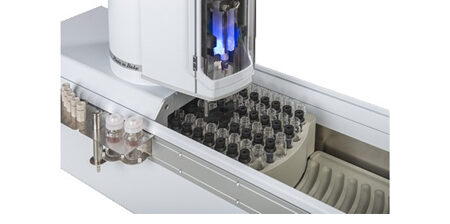
Robotic mechanization has apace evolved into a transformative wedge in many industries around the world. Its power to do repetitious tasks, enhance precision, and tighten operational costs has made it an indispensable tool in sectors ranging from manufacturing to health care, logistics, and even husbandry. With advancements in conventionalized intelligence(AI), simple machine scholarship, and sensing element technology, robots are now capable of acting , decision-based tasks that were once mentation to be reserved for human beings. As a leave, autocampionatori is not just reshaping industries but also redefining the way we live and work.
One of the most significant applications of robotic mechanization is in the manufacturing industry. Robots have long been used in forum lines, playing tasks such as welding, painting, and wadding with remarkable zip and truth. However, the scope of mechanization is expanding beyond traditional roles. In recent geezerhood, robots armed with AI and visual sensation systems are now able to inspect products for defects, finagle inventory, and even join forces with human being workers in divided up workspaces. This transfer toward cooperative robots, or cobots, is particularly important, as it demonstrates how mechanisation can work in harmony with homo tug rather than supplant it entirely. Cobots help step-up productivity while ensuring prole refuge and efficiency.
The logistics and supply chain sector is also benefiting from robotic mechanisation, with machine-controlled guided vehicles(AGVs) and drones now acting a key role in transporting goods. In warehouses, robots can move stock-take with important precision and speed, significantly reducing man error and optimizing the flow of goods. Automated systems are also serving retailers to streamline their trading operations and meliorate client service. For example, robots can wait on in sort and wadding orders, as well as delivering products direct to consumers in certain areas, enhancing the zip and of e-commerce.
Healthcare is another sphere where robotic automation is making a unfathomed bear on. From robotic operation systems that allow for minimally incursive procedures to AI-powered symptomatic tools that serve doctors in detective work diseases, mechanization is up both patient role outcomes and the overall healthcare experience. Robots are also used in the renewal process, helping patients retrieve mobility through exercises and therapies. In plus, automation is alleviating the burden on medical examination staff by pickings on body tasks such as scheduling, record-keeping, and inventory management, allowing healthcare professionals to focalise more on patient care.
Agriculture has not been left behind in the wave of robotic mechanization. Robots are more and more used to set, ride herd on, and reap crops, improving and reducing the need for manual of arms labor. Drones weaponed with sensors and cameras help farmers ride herd on crop health and soil conditions in real-time, facultative better decision-making and resourcefulness direction. Automated machinery can also assist with tasks like weeding, fertilizing, and irrigating, at long las leading to high yields and more sustainable land practices.
Despite its many advantages, robotic mechanization also raises concerns, particularly in terms of job translation. As machines become subject of performing more tasks traditionally carried out by human beings, questions rise up about the hereafter of work and the need for retraining programs. Additionally, there are concerns about the ethical implications of robots making decisions in vital areas like healthcare or law enforcement. As mechanisation continues to expand, smart set must turn to these challenges while harnessing the full potentiality of robotic technologies.
In termination, robotic mechanization is not just a passage slue but a fundamental transfer that is fixing the framework of octuple industries. While there are unexpired concerns about its social group bear upon, the benefits in price of productiveness, efficiency, and preciseness cannot be unnoted. As technology advances, we can robots to play an even more significant role in our daily lives, transforming industries and creating new opportunities for design.