How Does a Board Foot Calculator Measure Feet?
When buying lumber for woodworking, furniture making, home construction, or remodeling, understanding how much wood you need is essential.
A Board Foot Calculator is one of the most useful tools for measuring lumber accurately. Whether you are a homeowner planning a DIY project or a professional carpenter working on a large construction job, a Board Foot Calculator helps estimate the volume of wood quickly and reduces waste.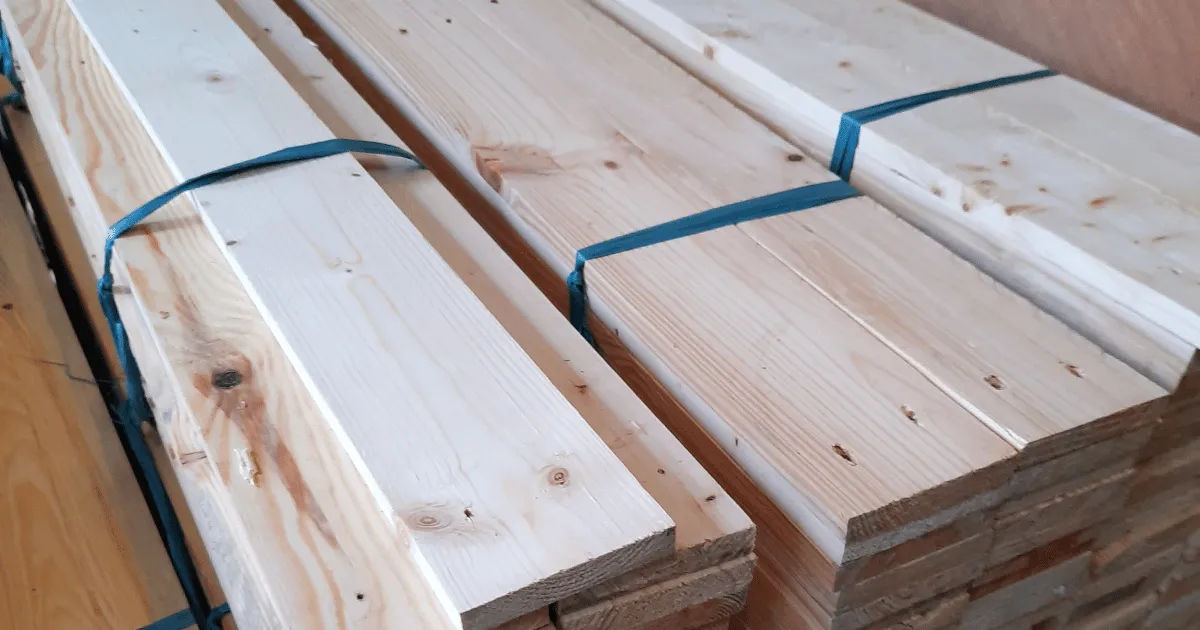
Many beginners become confused because they think the word "foot" refers only to length. However, in lumber measurement, a board foot measures volume rather than just distance. A Board Foot Calculator considers the thickness, width, and length of a board to determine the total board feet. This guide explains how the calculation works, why it matters, and how anyone can use it with confidence.
What Is a Board Foot?
A board foot is a standard unit used in the lumber industry to measure the volume of wood. Instead of measuring only how long a board is, it measures the amount of wood contained within the board.
One board foot equals:
-
1 inch thick
-
12 inches wide
-
12 inches long
This combination equals 144 cubic inches of wood.
Whenever lumber has different dimensions, the total board feet change accordingly. That is why professionals rely on a Board Foot Calculator to avoid manual calculations.
Why Board Feet Matter
Lumber comes in many different sizes. Some boards are thick but short, while others are thin and very long. Measuring only the length does not provide enough information about how much wood is actually present.
Using board feet allows buyers and sellers to compare different boards fairly because it measures total wood volume.
Benefits include:
-
Accurate lumber estimates
-
Fair pricing
-
Less material waste
-
Better project planning
-
Easier budgeting
These advantages explain why a Board Foot Calculator is widely used throughout the woodworking and construction industries.
Understanding the Three Measurements
A board foot calculation depends on three measurements.
Thickness
Thickness refers to how thick the board is from one flat side to the other. It is usually measured in inches.
Examples include:
-
1 inch
-
2 inches
-
3 inches
-
4 inches
Thicker boards contain more wood volume.
Width
Width measures the distance across the face of the board.
Common widths include:
-
4 inches
-
6 inches
-
8 inches
-
10 inches
-
12 inches
A wider board contains more wood than a narrow one.
Length
Length measures how long the board is.
Most lumber is measured in feet, such as:
-
6 feet
-
8 feet
-
10 feet
-
12 feet
-
16 feet
Longer boards naturally contain more wood volume.
How Does a Board Foot Calculator Measure Feet?
Many people misunderstand the phrase "measure feet." A Board Foot Calculator does not measure only the board's length. Instead, it measures the total volume by combining thickness, width, and length.
The standard formula is:
Board Feet = (Thickness × Width × Length) ÷ 12
Where:
-
Thickness is in inches
-
Width is in inches
-
Length is in feet
This formula converts the measurements into total board feet.
Instead of solving the equation manually every time, a Board Foot Calculator performs the calculation instantly.
Example Calculation
Suppose a board measures:
-
Thickness = 2 inches
-
Width = 8 inches
-
Length = 10 feet
Calculation:
(2 × 8 × 10) ÷ 12
160 ÷ 12 = 13.33 board feet
A Board Foot Calculator provides this answer immediately without requiring manual math.
Why Professionals Use a Board Foot Calculator
Professional builders often purchase hundreds or even thousands of boards.
Manual calculations would require significant time and increase the risk of mistakes.
A Board Foot Calculator helps professionals:
-
Save time
-
Improve accuracy
-
Estimate project costs
-
Calculate inventory
-
Prepare customer quotes
-
Reduce errors
Even experienced contractors prefer digital calculators because they make large projects much easier.
Manual Calculation vs Calculator
Manual calculations work well for one or two boards.
However, larger projects involve many different sizes.
Manual calculation requires:
-
Measuring each board
-
Writing measurements
-
Applying the formula
-
Adding totals
-
Checking for errors
A Board Foot Calculator automates these steps within seconds, making it much more efficient.
Common Lumber Sizes
Although lumber is sold in standard sizes, each board contains a different number of board feet.
Examples include:
-
1 × 6 × 8
-
2 × 4 × 10
-
2 × 8 × 12
-
4 × 4 × 8
-
2 × 12 × 16
A Board Foot Calculator works with all of these sizes.
How to Use a Board Foot Calculator
Using the calculator is simple.
Step 1
Measure the thickness in inches.
Step 2
Measure the width in inches.
Step 3
Measure the length in feet.
Step 4
Enter the values into the Board Foot Calculator.
Step 5
Read the result instantly.
The calculator automatically determines the total board feet.
Measuring Rough Lumber
Rough-cut lumber often has uneven surfaces.
Before using a Board Foot Calculator, measure the board carefully at its average dimensions.
Professionals often use measuring tapes and calipers to improve accuracy.
Small measurement differences can affect the final board foot total.
Measuring Hardwood
Hardwood suppliers commonly sell lumber by the board foot.
Popular hardwoods include:
-
Oak
-
Walnut
-
Maple
-
Cherry
-
Ash
Since hardwood is often expensive, a Board Foot Calculator helps buyers know exactly how much material they are purchasing.
Measuring Softwood
Softwoods are commonly used for construction.
Examples include:
-
Pine
-
Cedar
-
Fir
-
Spruce
Builders frequently use a Board Foot Calculator to estimate framing materials before beginning construction.
Importance for DIY Projects
Homeowners benefit from accurate lumber estimates.
Whether building:
-
Bookshelves
-
Tables
-
Cabinets
-
Decks
-
Fences
-
Storage sheds
A Board Foot Calculator helps avoid purchasing too much or too little lumber.
Reducing Material Waste
Buying excess lumber increases project costs.
Buying too little causes delays because another trip to the supplier becomes necessary.
A Board Foot Calculator improves planning and minimizes waste.
This saves:
-
Money
-
Time
-
Storage space
-
Transportation costs
Pricing Lumber
Many hardwood dealers charge customers by the board foot.
For example:
If hardwood costs $8 per board foot and your lumber equals 20 board feet:
20 × $8 = $160
A Board Foot Calculator helps estimate these costs before visiting the lumber yard.
Common Mistakes
Beginners often make several mistakes.
These include:
Measuring Nominal Instead of Actual Size
Lumber labels may differ from actual dimensions.
Always use the actual measurements whenever possible.
Mixing Units
Keep:
-
Thickness in inches
-
Width in inches
-
Length in feet
Using incorrect units produces inaccurate results, even when using a Board Foot Calculator.
Forgetting Multiple Boards
If purchasing several identical boards, multiply the board feet by the number of boards.
Many calculators perform this automatically.
Advantages of Digital Calculators
Modern calculators offer several benefits.
They provide:
-
Instant calculations
-
Higher accuracy
-
Mobile access
-
Easy project planning
-
Faster estimating
-
Better budgeting
Many contractors now keep a Board Foot Calculator on their smartphones for quick use on job sites.
Who Uses a Board Foot Calculator?
Many industries rely on this tool.
Users include:
-
Carpenters
-
Furniture makers
-
Contractors
-
Cabinet builders
-
Woodworkers
-
Architects
-
Interior designers
-
Homeowners
-
Lumber suppliers
-
Mill operators
Each group benefits from accurate wood volume calculations.
Tips for Better Accuracy
To improve your calculations:
-
Measure carefully.
-
Double-check dimensions.
-
Use actual lumber sizes.
-
Measure every board individually if sizes vary.
-
Keep measuring tools in good condition.
-
Verify your results before ordering.
These simple habits help your Board Foot Calculator provide dependable estimates.
Can a Board Foot Calculator Handle Different Projects?
Yes. It works for projects of nearly every size.
Examples include:
-
Home renovations
-
Roofing
-
Flooring
-
Furniture
-
Cabinet installation
-
Deck construction
-
Pergolas
-
Barns
-
Garages
-
Commercial buildings
No matter the project size, accurate lumber estimates improve planning and reduce unnecessary expenses.
Why Learning Board Feet Is Important
Understanding board feet gives buyers greater confidence.
Instead of guessing how much lumber is needed, you can calculate it accurately.
Knowing how a Board Foot Calculator works also makes it easier to compare prices from different suppliers.
Over time, these skills help save money while improving project quality.
Conclusion
A Board Foot Calculator is an essential tool for anyone who works with lumber. Rather than measuring only the length of a board, it calculates the total volume by combining thickness, width, and length into a standard board foot measurement. This method allows buyers, builders, and woodworkers to estimate material needs accurately, compare lumber fairly, and manage project costs with confidence.
Whether you are building furniture, remodeling a home, constructing a deck, or completing a professional woodworking project, using a Board Foot Calculator makes the process faster and more reliable. It minimizes costly mistakes, reduces waste, and helps ensure you purchase the right amount of wood. By understanding how board feet are measured and applying this knowledge correctly, you can improve planning, increase efficiency, and complete projects with greater success.