

How do I use OCR for scanned files online?
Using online OCR tools has become one of the easiest ways to turn scanned documents into editable text. If you have a PDF, image, or scanned file that you cannot edit, online OCR technology helps you extract text quickly without installing any software.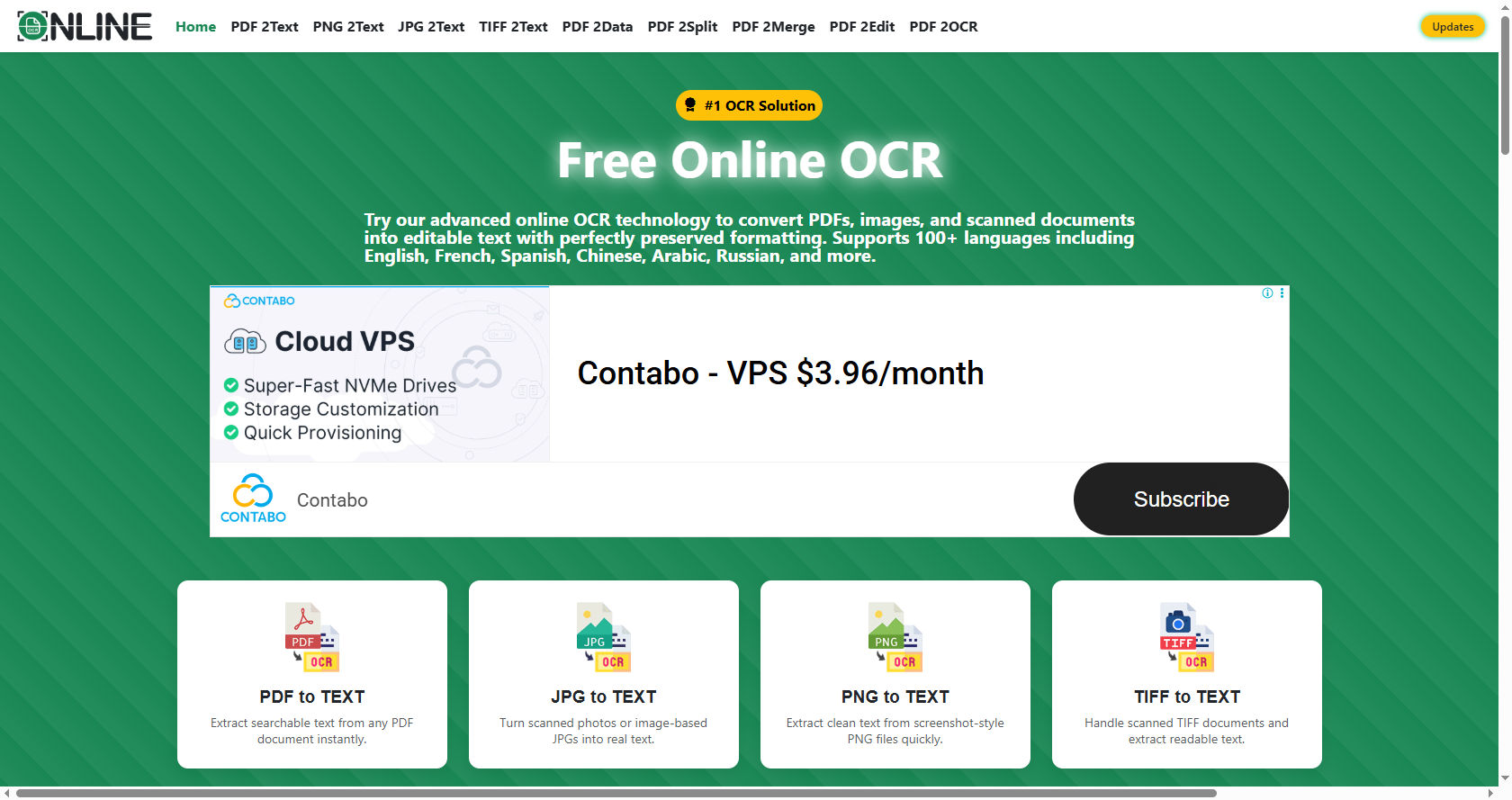
Many students, office workers, and researchers now rely on online OCR because it saves time and reduces manual typing work.In simple terms, online OCR (Optical Character Recognition) reads the text inside scanned files and converts it into digital text you can copy, edit, or save.This guide explains step-by-step how to use online OCR for scanned files, along with tips, benefits, problems, and real-world uses.
What is OCR and How It Works?
Understanding Optical Character Recognition
OCR stands for Optical Character Recognition. It is a technology used by online OCR systems to detect printed or handwritten text inside images or scanned documents.
How Online OCR Processes Files
When you upload a file, online OCR follows these steps:
- Scans the image pixel by pixel
- Detects shapes that look like letters
- Matches patterns with known characters
- Converts them into editable text
Role of AI in Online OCR
Modern online OCR uses artificial intelligence to improve accuracy. It can recognize:
- Different fonts
- Multiple languages
- Printed text
- Sometimes even handwriting
Without online OCR, you would need to manually type everything, which takes much more time.
Why Use Online OCR for Scanned Files?
Saves Time and Effort
One of the biggest benefits of online OCR is speed. Instead of typing pages of text, you can convert documents in seconds.
Easy to Use
Most online OCR platforms are beginner-friendly. You simply upload a file and click convert.
No Installation Required
Since online OCR works in browsers, there is no need to download software.
Supports Multiple Formats
You can use online OCR for:
- PDF files
- JPG images
- PNG screenshots
- Scanned documents
Free Accessibility
Many online OCR tools offer free versions, making them useful for students and basic users.
Types of Files Supported by Online OCR
Scanned PDFs
These are the most common files processed by online OCR.
Image Files
JPG and PNG files work easily with online OCR systems.
Mobile Screenshots
Screenshots from phones or laptops can also be converted.
Handwritten Notes
Some online OCR tools can recognize handwriting, but accuracy depends on clarity.
Step-by-Step Guide: How to Use Online OCR for Scanned Files
Step 1: Select an Online OCR Tool
Choose a reliable online OCR website that supports your file type.
Step 2: Upload Your File
Click upload or drag-and-drop your scanned document into the tool.
Step 3: Choose Language Settings
Some online OCR tools allow you to select the document language for better accuracy.
Step 4: Start Conversion
Click the convert or recognize button to start the online OCR process.
Step 5: Wait for Processing
The online OCR system will analyze and extract text automatically.
Step 6: Review Extracted Text
Always check the output carefully, as online OCR may make small mistakes.
Step 7: Download or Copy Text
You can now download or copy the text for use in documents or emails.
Best Practices for Better Online OCR Results
Use High-Quality Scans
Clear images improve online OCR accuracy.
Avoid Blurry Text
Blurry documents reduce the performance of online OCR systems.
Keep Pages Straight
Tilted pages may confuse online OCR tools.
Use Clear Fonts
Printed text works better with online OCR than decorative fonts.
Choose Correct Language
Selecting the right language improves online OCR recognition results.
Common Problems in Online OCR and Solutions
Incorrect Text Output
If online OCR produces errors, your scan may be unclear. Try rescanning.
Missing Words
This happens when text is faded. Increase brightness before using online OCR.
File Upload Errors
Check file size limits in your online OCR tool.
Formatting Issues
After conversion, online OCR may require manual formatting adjustments.
Advantages of Online OCR
Improves Productivity
online OCR helps complete tasks faster.
Reduces Manual Work
No need to type long documents manually.
Converts Paper into Digital Files
Old documents can be digitized using online OCR.
Makes Text Searchable
Converted files can be searched easily.
Works Anywhere
Since online OCR is web-based, it can be used anywhere with internet.
Limitations of Online OCR
Handwriting Accuracy Issues
Not all online OCR tools handle handwriting well.
Requires Internet
Most online OCR tools cannot work offline.
File Size Restrictions
Free online OCR tools may limit file uploads.
Formatting Loss
Some layouts may not convert perfectly in online OCR.
Online OCR vs Manual Typing
Speed Comparison
online OCR is much faster than manual typing.
Accuracy Comparison
Manual typing may be more precise for small text, but online OCR is better for large files.
Effort Required
Manual typing requires more effort, while online OCR is automated.
Best Use Case
For large documents, online OCR is clearly more efficient.
Security and Privacy in Online OCR Tools
Data Protection
Always choose trusted online OCR platforms.
Avoid Sensitive Files
Do not upload confidential documents to unknown online OCR sites.
File Deletion Policies
Reliable online OCR tools delete files after processing.
Safe Usage Tips
Check privacy policies before using any online OCR service.
Advanced Uses of Online OCR
Business Applications
Companies use online OCR for invoices and receipts.
Education Use
Students use online OCR for assignments and notes.
Research Work
Researchers use online OCR to digitize old books.
Translation Support
online OCR helps convert scanned foreign text for translation.
Tips to Improve Speed and Accuracy
Reduce File Size
Smaller files process faster in online OCR.
Crop Unnecessary Areas
Remove extra parts before uploading to online OCR.
Use Modern Browsers
Updated browsers improve online OCR performance.
Avoid Multiple Pages in One Image
Split files for better online OCR results.
Future of Online OCR Technology
AI Improvements
Future online OCR tools will become more accurate.
Better Handwriting Recognition
AI will improve handwritten text detection in online OCR.
Real-Time OCR
Cameras may soon perform live online OCR scanning.
Mobile Integration
online OCR will become more common in mobile apps.
Conclusion
Using online OCR for scanned files is one of the simplest and most effective ways to convert printed or image-based documents into editable text. It saves time, reduces effort, and improves productivity for students, professionals, and businesses.
By following the correct steps and using high-quality scans, online OCR can produce highly accurate results. Although it has some limitations, its advantages make it an essential digital tool in today’s world.
As technology continues to improve, online OCR will become even faster, smarter, and more reliable. Learning how to use online OCR today will help you handle digital documents more efficiently in the future.