

How does emergency roof tarping stop roof leaks?
Emergency roof tarping is one of the fastest and most effective temporary solutions used to stop water from entering a damaged roof after storms, accidents, or sudden leaks.
When a roof is compromised, even a small opening can allow rainwater to enter and cause serious damage inside the home.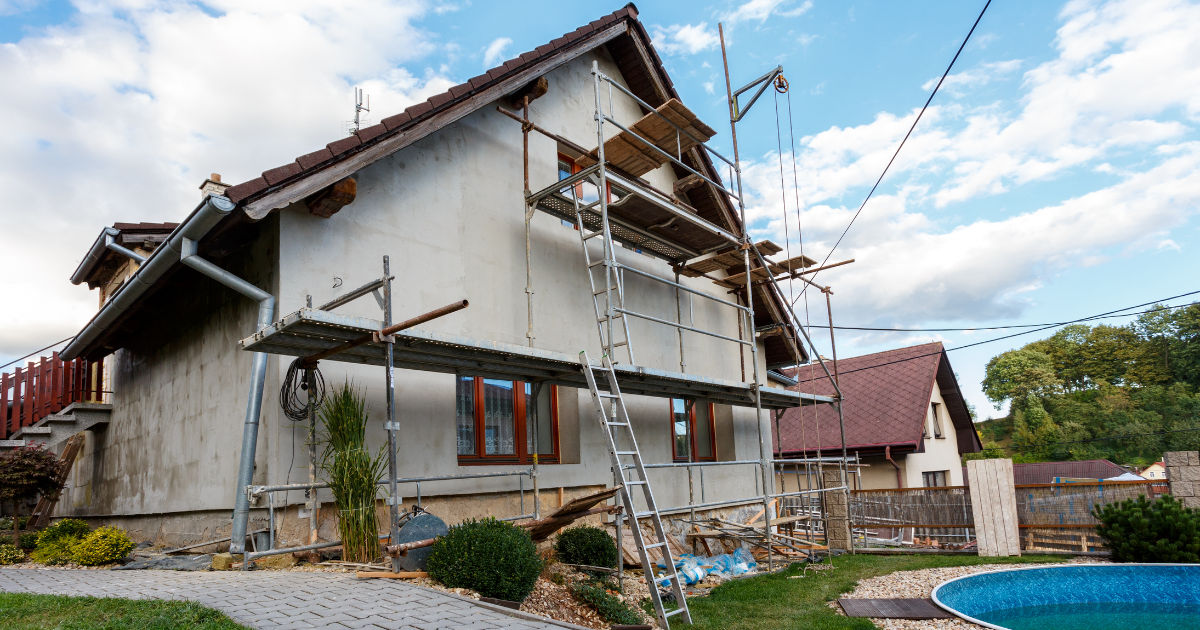
That is why Emergency roof tarping is often the first response used by homeowners and roofing professionals to protect property before permanent repairs are made.
In simple terms, Emergency roof tarping creates a protective waterproof barrier over the damaged section of the roof, preventing further leakage and buying time for proper repairs.
In this detailed guide, you will learn how Emergency roof tarping works, why it is important, how it is installed, and how it effectively stops roof leaks.
You will also understand when it should be used, what materials are involved, and what safety precautions are necessary. By the end, you will have a clear and practical understanding of Emergency roof tarping and how it protects your home from water damage during emergencies.
What is Emergency Roof Tarping?
Emergency roof tarping is a temporary roofing method used to cover damaged areas of a roof with a heavy-duty waterproof tarp. The purpose of Emergency roof tarping is not to permanently fix the roof but to prevent rainwater, wind, and debris from entering the structure.
When shingles are blown off, tiles are cracked, or tree branches puncture the roof, Emergency roof tarping becomes essential. It acts as a quick shield that blocks water intrusion until a full repair or replacement can be completed.
In most cases, Emergency roof tarping is applied within hours after damage occurs, especially during storms or severe weather conditions. This quick response helps reduce interior damage significantly.
Why Roof Leaks Happen
To understand the importance of Emergency roof tarping, it is important to know why roof leaks happen in the first place.
Storm and Wind Damage
High winds can lift shingles, expose underlayment, and create openings. This is one of the most common reasons Emergency roof tarping is needed.
Heavy Rainfall
Continuous rainfall can exploit weak points in the roof structure. Once water finds a path, Emergency roof tarping becomes necessary to stop further leakage.
Falling Objects
Tree branches or debris can physically damage roofing materials. In such cases, Emergency roof tarping helps cover exposed areas quickly.
Aging Roof Materials
Old roofs naturally develop cracks and weak spots over time. Emergency roof tarping can temporarily protect these vulnerable areas.
Poor Installation
Improper roofing installation can lead to gaps and weak sealing. When leaks appear suddenly, Emergency roof tarping is often used as a fast solution.
How Emergency Roof Tarping Stops Roof Leaks
The main function of Emergency roof tarping is to create a waterproof barrier that blocks rainwater from entering the roof structure.
When properly installed, Emergency roof tarping covers the damaged section completely, extending beyond the affected area to ensure full protection. The tarp is secured tightly so that wind cannot lift it and water cannot seep underneath.
Another way Emergency roof tarping stops leaks is by redirecting water flow. Instead of allowing water to enter through holes or cracks, the tarp guides it away from the damaged area and toward safe drainage points.
Because Emergency roof tarping is designed to be waterproof and durable, it can withstand heavy rain and wind for a limited time, making it extremely effective in emergencies.
Materials Used in Emergency Roof Tarping
The success of Emergency roof tarping depends on the materials used.
Heavy-Duty Tarps
Most Emergency roof tarping jobs use polyethylene or vinyl tarps. These materials are waterproof and strong enough to resist tearing.
Wooden Battens
Wooden strips are often used in Emergency roof tarping to secure the tarp edges and prevent wind from lifting it.
Nails or Screws
Fasteners are essential in Emergency roof tarping to hold the tarp firmly in place.
Roofing Adhesives
In some cases, adhesives are used in Emergency roof tarping to seal edges and prevent water seepage.
Safety Equipment
Ladders, harnesses, and gloves are important when performing Emergency roof tarping to ensure safety.
Step-by-Step Process of Emergency Roof Tarping
Understanding the installation process helps explain how Emergency roof tarping effectively stops leaks.
Step 1: Inspect the Roof Damage
Before applying Emergency roof tarping, the damaged area is carefully inspected to assess the size and severity of the leak.
Step 2: Measure and Cut the Tarp
The tarp is measured to extend beyond the damaged area. Proper sizing ensures Emergency roof tarping fully covers vulnerable sections.
Step 3: Position the Tarp
The tarp is placed over the damaged roof section. Correct placement is crucial for effective Emergency roof tarping performance.
Step 4: Secure the Edges
Wooden battens and nails are used to secure the tarp. This step ensures that Emergency roof tarping remains stable even in strong winds.
Step 5: Seal the Edges
Edges are sealed to prevent water from entering underneath. This improves the effectiveness of Emergency roof tarping.
Step 6: Final Inspection
The final step ensures that Emergency roof tarping is tightly installed and fully covering the damaged area.
Benefits of Emergency Roof Tarping
There are many advantages to using Emergency roof tarping in urgent situations.
Prevents Water Damage
The main benefit of Emergency roof tarping is that it stops rainwater from entering the home.
Protects Interior Property
Furniture, electronics, and personal items are protected when Emergency roof tarping is applied quickly.
Reduces Repair Costs
By preventing further damage, Emergency roof tarping helps reduce long-term repair expenses.
Quick Installation
One of the biggest advantages of Emergency roof tarping is how fast it can be installed.
Temporary Security
Emergency roof tarping provides immediate protection until permanent repairs are completed.
Limitations of Emergency Roof Tarping
While Emergency roof tarping is highly effective, it is not a permanent solution.
Temporary Fix Only
Emergency roof tarping is designed for short-term use and must be replaced with proper repairs.
Weather Limitations
In extreme weather conditions, Emergency roof tarping may wear out or loosen.
Not a Structural Repair
It does not fix underlying roof damage, which means Emergency roof tarping is only a protective layer.
Safety Considerations
Safety is extremely important when performing Emergency roof tarping.
Working on a damaged roof can be dangerous, especially during wet or windy conditions. Professionals who handle Emergency roof tarping use safety harnesses, stable ladders, and protective gear to avoid accidents.
Homeowners are often advised not to attempt Emergency roof tarping themselves unless absolutely necessary, as falling hazards can be serious.
When to Use Emergency Roof Tarping
Emergency roof tarping should be used immediately after roof damage is discovered.
It is especially important after:
- Storm damage
- Heavy wind events
- Falling tree branches
- Sudden roof leaks
- Fire or structural damage
In all these cases, Emergency roof tarping helps prevent further deterioration of the roof and interior space.
Temporary vs Permanent Roof Repair
It is important to understand the difference between Emergency roof tarping and permanent roofing repair.
Emergency roof tarping is a short-term solution that protects the home immediately after damage. However, it does not restore the roof’s structural integrity.
Permanent repairs involve replacing shingles, fixing structural damage, and restoring full waterproofing. After Emergency roof tarping is installed, professional repair should follow as soon as possible.
Weather Conditions and Emergency Roof Tarping
Different weather conditions can increase the need for Emergency roof tarping.
Storms
During storms, Emergency roof tarping prevents rainwater from entering exposed areas.
Snow and Ice
In cold climates, Emergency roof tarping helps reduce ice-related leaks.
Heat and Sun Exposure
Although not immediate, prolonged sun exposure can weaken damaged roofs, making Emergency roof tarping necessary after initial damage.
How Long Emergency Roof Tarping Lasts
The durability of Emergency roof tarping depends on materials and weather conditions.
In most cases, Emergency roof tarping can last from a few days to several weeks. However, it should not be relied on as a long-term solution. Regular inspection ensures that Emergency roof tarping continues to provide protection until permanent repairs are completed.
Professional vs DIY Emergency Roof Tarping
Professional Emergency roof tarping is generally more secure and reliable than DIY methods.
Professionals understand how to properly secure and seal the tarp, ensuring that Emergency roof tarping performs effectively under harsh conditions.
DIY Emergency roof tarping may be useful in minor emergencies but carries safety risks and may not provide complete protection.
Conclusion
Emergency roof tarping plays a crucial role in protecting homes from sudden roof leaks and storm damage. It acts as a fast, temporary barrier that prevents water from entering the structure and causing further damage. Throughout this guide, we explored how Emergency roof tarping works, how it is installed, what materials are used, and why it is such an important emergency solution.
Although Emergency roof tarping is not a permanent fix, it provides essential protection during critical moments when immediate action is needed. It helps reduce repair costs, protects interior belongings, and gives homeowners time to arrange professional roof repairs. However, it should always be followed by proper restoration to ensure long-term roof safety.
In summary, Emergency roof tarping is a simple yet powerful emergency response that can make a significant difference in preventing extensive water damage. When used correctly, Emergency roof tarping ensures that homes remain protected until permanent roofing solutions are completed.