

Is Loopback Apparel Wholesale good for brands?
Building a successful clothing brand requires more than creative designs and strong marketing. Brands need reliable suppliers that can provide quality products, flexible ordering options, and consistent support.
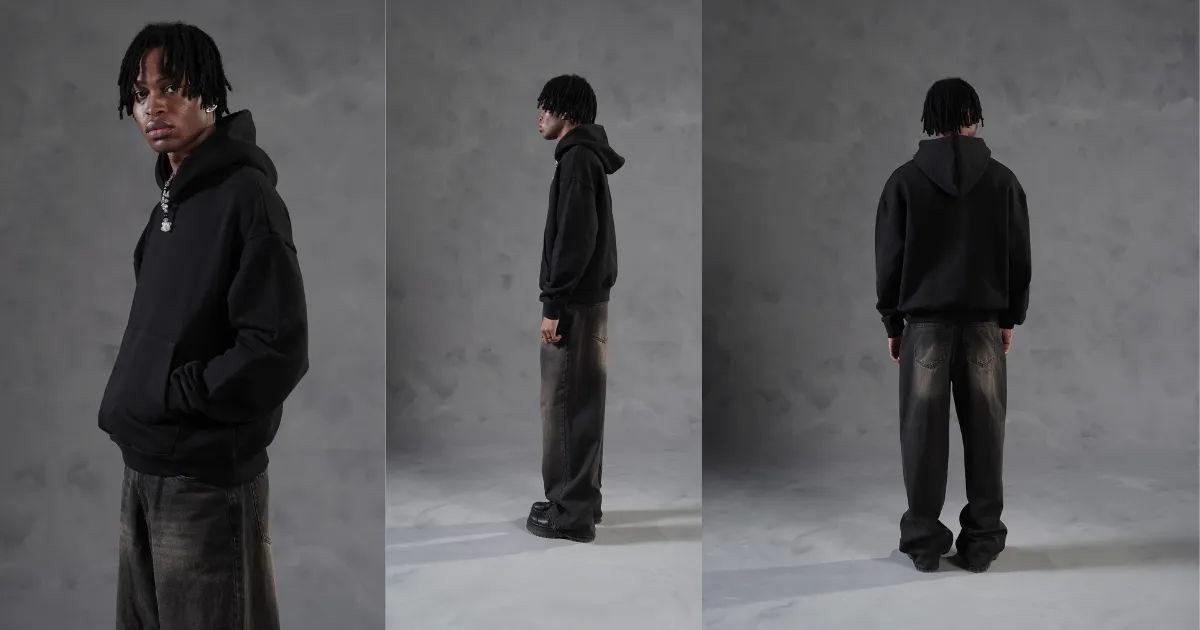
Many growing fashion businesses explore wholesale clothing suppliers to reduce production challenges and improve their product range. Loopback Apparel Wholesale is one option that attracts attention from brands looking for dependable apparel sourcing solutions.
Choosing the right wholesale partner can influence everything from product quality to customer satisfaction. A good supplier helps brands maintain their identity while offering products that match market expectations. Whether a business is launching a new clothing line or expanding an existing collection, understanding the benefits and limitations of a supplier is essential.
This guide explores whether Loopback Apparel Wholesale is a suitable choice for brands, covering product quality, customization options, pricing, reliability, sustainability, and important factors businesses should consider before making a decision.
Wholesale Apparel Suppliers
Wholesale apparel suppliers play a major role in the fashion industry. They connect clothing brands with manufacturers and provide ready-made or customizable products at bulk prices. Instead of creating every item from the beginning, brands can work with suppliers to access clothing collections that fit their target audience.
A wholesale supplier allows businesses to save time and reduce manufacturing costs. Startups especially benefit because they can test products without investing heavily in large-scale production.
A strong supplier relationship can help a brand grow faster. Businesses can focus on branding, advertising, and customer relationships while the supplier manages product sourcing and production support.
What Makes a Wholesale Apparel Supplier Valuable?
A valuable wholesale partner should provide more than affordable prices. Brands need suppliers that understand fashion trends, maintain quality standards, and deliver products consistently.
Product Quality and Material Standards
Quality is one of the most important factors when choosing a clothing supplier. Customers expect comfortable fabrics, strong stitching, and products that maintain their appearance after repeated use.
Loopback Apparel Wholesale can be evaluated by brands based on fabric quality, garment construction, sizing accuracy, and finishing details. High-quality apparel helps businesses build customer trust and reduces complaints related to poor products.
Brands should always request samples before placing large orders. Testing materials and checking construction quality allows companies to understand whether a supplier meets their expectations.
Variety of Clothing Options
Fashion brands often require different styles to meet customer demand. A useful wholesale supplier should offer a wide selection of products, including casual wear, streetwear, basics, seasonal clothing, and trending designs.
A diverse collection gives brands more flexibility when creating product lines. Instead of depending on multiple suppliers, businesses can simplify operations by working with one reliable source.
When considering Loopback Apparel Wholesale, brands should examine whether available collections match their target market and brand vision.
Benefits of Choosing Loopback Apparel Wholesale for Brands
Many businesses consider wholesale suppliers because they offer several advantages compared with traditional manufacturing methods.
Lower Production Costs
Starting a fashion brand can be expensive. Manufacturing clothing independently often requires investments in equipment, materials, labor, and storage.
Wholesale purchasing allows brands to access products at reduced prices because suppliers produce items in larger quantities. This makes it easier for smaller businesses to compete in the market.
Loopback Apparel Wholesale may provide brands with an opportunity to manage budgets more effectively while maintaining a professional product range.
Faster Product Availability
Speed is important in modern fashion. Trends change quickly, and brands need to respond to customer interests without long delays.
Wholesale suppliers usually maintain ready-made inventory, allowing businesses to introduce products faster. This advantage helps brands avoid lengthy production timelines.
For businesses that want to launch seasonal collections or limited releases, working with a wholesale supplier can provide greater flexibility.
Easier Business Expansion
Growing brands often need additional products as customer demand increases. A dependable supplier can support expansion by providing consistent inventory and scalable ordering options.
Loopback Apparel Wholesale can be beneficial for brands that want to increase their product selection without managing complex manufacturing processes.
How Loopback Apparel Wholesale Supports Brand Growth
A clothing supplier does more than provide garments. The right partner can influence how efficiently a brand operates.
Helping New Brands Enter the Market
New fashion businesses often struggle with sourcing and production decisions. Wholesale suppliers simplify the process by providing accessible clothing options.
Instead of spending months developing products, new brands can focus on creating their identity, building an online presence, and attracting customers.
Loopback Apparel Wholesale can be useful for emerging businesses that need a practical starting point in the apparel industry.
Supporting Inventory Management
Inventory management is a major challenge for clothing businesses. Too much stock can create financial problems, while too little stock can lead to missed sales opportunities.
A good wholesale supplier helps brands maintain balanced inventory levels. Businesses can order products according to demand and reduce unnecessary storage costs.
Customization Opportunities for Clothing Brands
Brand identity is essential in the fashion industry. Many businesses want products that reflect their unique style rather than selling generic clothing.
Private Label Possibilities
Private labeling allows brands to add their own identity to products. This may include custom tags, packaging, branding elements, or specific design adjustments.
Depending on available services, Loopback Apparel Wholesale may offer options that allow businesses to create a more personalized customer experience.
Creating a Unique Brand Image
A successful clothing brand needs recognition. Unique designs, consistent quality, and strong branding help businesses stand apart from competitors.
Working with a supplier that understands customization requirements can help companies create products that match their vision.
Evaluating Pricing and Profit Potential
Profit margins are important for every clothing business. Brands need suppliers that provide competitive prices while maintaining acceptable quality.
Balancing Cost and Quality
The cheapest supplier is not always the best choice. Low prices may sometimes result in poor materials or inconsistent production.
Brands should evaluate the overall value offered by Loopback Apparel Wholesale, including product quality, delivery reliability, and customer support.
A balanced approach helps businesses protect their reputation while maintaining healthy profit margins.
Wholesale Pricing Benefits
Buying in bulk generally reduces the cost per item. This allows brands to create attractive retail prices while keeping reasonable earnings.
However, businesses should calculate all expenses, including shipping, storage, taxes, and marketing costs, before determining final pricing strategies.
Importance of Supplier Reliability
A supplier’s reliability can directly affect a brand’s success. Late deliveries, inconsistent quality, or communication problems can damage customer relationships.
Consistent Product Supply
Brands need suppliers that can provide products regularly. Running out of popular items may result in lost sales and disappointed customers.
Loopback Apparel Wholesale should be assessed based on availability, order handling, and the ability to meet business requirements.
Communication and Customer Support
Clear communication is essential when working with any supplier. Brands should choose partners that respond quickly and provide accurate information about products, orders, and delivery timelines.
Strong supplier communication creates smoother business operations.
Sustainability and Ethical Considerations
Modern customers increasingly care about how clothing is produced. Brands are paying more attention to environmentally responsible materials and ethical manufacturing practices.
A wholesale supplier’s approach to sustainability can influence a brand’s reputation. Businesses should research sourcing methods, production standards, and environmental policies before partnering with any supplier.
Loopback Apparel Wholesale should be evaluated by brands that prioritize responsible fashion practices and want to meet changing customer expectations.
Potential Challenges Brands Should Consider
Although wholesale suppliers provide many benefits, brands should also understand possible challenges.
Limited Design Control
Wholesale clothing may not always provide complete creative freedom. Some businesses may require highly specific designs that need custom manufacturing.
Brands should determine whether available products fit their goals before making large investments.
Minimum Order Requirements
Some suppliers require minimum purchase quantities. This can be challenging for very small businesses with limited budgets.
Companies should understand order requirements and choose purchasing strategies that match their financial situation.
Competition in the Market
Many brands use wholesale suppliers, which means businesses need strong branding and marketing strategies to stand out.
Quality products alone are not enough. Companies must create memorable customer experiences through branding, storytelling, and service.
How Brands Can Decide If Loopback Apparel Wholesale Is Right
Before selecting a wholesale supplier, brands should follow a careful evaluation process.
Research Supplier Reputation
Businesses should review supplier information, customer feedback, product examples, and industry experience.
A supplier’s reputation can provide insight into reliability and service quality.
Request Product Samples
Samples allow brands to inspect fabric, design, sizing, and overall quality before committing to large orders.
This step reduces risk and helps businesses make informed decisions.
Compare Multiple Suppliers
Comparing different suppliers helps brands understand pricing, product options, and service differences.
A detailed comparison ensures the chosen supplier provides the best value for the business.
Conclusion
The answer depends on a brand’s specific needs, goals, and expectations. A wholesale supplier can be a valuable partner when it provides quality products, reliable service, competitive pricing, and suitable customization options.
For businesses looking to expand their clothing collections, Loopback Apparel Wholesale may offer advantages such as easier sourcing, faster product availability, and reduced production challenges. However, brands should always perform proper research, test product quality, and understand supplier terms before making a commitment.
Successful fashion businesses are built through strong partnerships. Choosing the right apparel supplier allows brands to focus on creativity, marketing, and customer relationships while maintaining a reliable product supply.
Ultimately, Loopback Apparel Wholesale can be a good option for brands that need practical wholesale solutions and want to grow efficiently. The best results come when businesses carefully evaluate product standards, pricing, communication, and long-term partnership potential.