

How Does IPTV Deliver Live Channels?
The way people watch television has changed significantly with the growth of internet-based entertainment. Traditional cable and satellite services are no longer the only options available for accessing live programs.
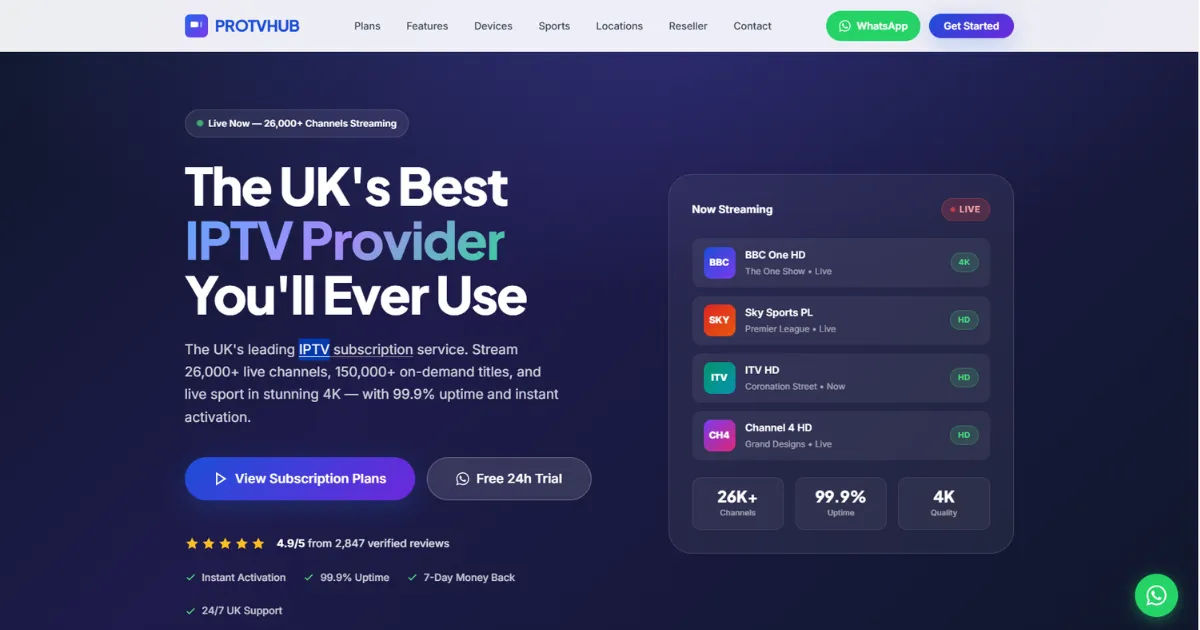
Today, many viewers prefer IPTV because it provides flexible access to live channels through internet connections. If you want to understand how this technology works, you can Visit Website to explore more information about IPTV services and their features.
IPTV, which stands for Internet Protocol Television, delivers television content through internet networks instead of traditional broadcasting methods. It allows users to stream live channels, movies, sports events, news programs, and other entertainment content using smart TVs, computers, smartphones, and streaming devices.
Understanding how IPTV delivers live channels helps users recognize why this technology has become a popular alternative to conventional television systems.
What Is IPTV?
IPTV is a technology that uses internet protocols to transmit television signals. Unlike cable television, which sends signals through physical cables, or satellite television, which depends on satellite communication, IPTV sends digital video data through an internet connection.
The basic idea behind IPTV is similar to how websites, online videos, and other digital services work. Content is converted into digital data, stored or managed by IPTV providers, and delivered to viewers through internet networks.
When users select a live channel, the IPTV system processes the request and sends the required video stream directly to the user’s device.
How IPTV Works
Content Collection and Preparation
The first step in IPTV delivery is collecting television content. IPTV providers receive channels from different sources, including television networks, broadcasters, and media companies.
The collected content is then converted into a digital format suitable for internet transmission. This process may include compression, encoding, and quality adjustments to ensure smooth streaming.
Video compression is important because high-quality television signals require large amounts of data. Compression reduces file size while maintaining good picture and sound quality.
IPTV Servers Store and Manage Content
After content preparation, IPTV providers use powerful servers to manage television channels. These servers organize live channels, video-on-demand libraries, and other digital content.
When a viewer chooses a channel, the IPTV server identifies the requested content and prepares the stream for delivery.
Servers also help manage large numbers of users at the same time. A reliable server system ensures that viewers experience fewer interruptions and better streaming performance.
Internet Protocol Transmission
The main difference between IPTV and traditional television is the method of delivery. IPTV uses Internet Protocol technology to send video data through internet networks.
Instead of broadcasting the same signal to everyone, IPTV can send specific content directly to individual users. This process is known as streaming.
When someone selects a live channel, small packets of digital information travel through the internet from the IPTV provider’s server to the user’s device.
The device then rebuilds these packets into a continuous video stream that appears as a live television program.
How IPTV Delivers Live Channels
User Requests a Channel
The delivery process begins when a viewer opens an IPTV application and selects a live channel.
The IPTV app communicates with the provider’s server and sends a request for that specific channel.
The system checks user access, confirms the available channel, and begins preparing the stream.
Data Is Sent Through the Internet
Once the channel request is approved, the IPTV server sends video data through the internet.
This data travels in small packets that contain pieces of the video and audio information.
The viewer’s internet connection receives these packets and transfers them to the IPTV application.
A stable and fast internet connection is important because live television requires continuous data flow.
The Device Plays the Stream
The IPTV application receives the incoming data and uses a media player to display the channel.
Modern IPTV applications are designed to work on many devices, including:
-
Smart televisions
-
Android devices
-
Streaming boxes
-
Tablets
-
Smartphones
-
Computers
This flexibility allows viewers to watch live channels from almost anywhere with internet access.
Types of IPTV Services
Live Television
Live IPTV is the most common type of service. It allows users to watch television channels as they are broadcast.
Examples include:
-
News channels
-
Sports channels
-
Entertainment networks
-
International channels
-
Educational programs
Live IPTV works similarly to traditional television but uses internet delivery instead of cable or satellite signals.
Video on Demand
Many IPTV platforms also provide video-on-demand services. Instead of watching scheduled programs, users can choose movies, shows, or other content whenever they want.
This feature gives viewers more control over their entertainment experience.
Time-Shifted Television
Some IPTV services offer time-shifted viewing options. This allows users to watch previously broadcast programs or replay missed content.
Features like catch-up television and recording options make IPTV more convenient than many traditional systems.
Technology Behind IPTV Streaming
Encoding and Compression
Encoding converts television signals into digital formats that can travel efficiently over the internet.
Compression reduces the amount of data required while keeping video quality acceptable.
Common video formats and compression technologies help IPTV providers deliver smooth streaming without excessive bandwidth requirements.
Streaming Protocols
IPTV systems use different streaming protocols to transfer video data.
These protocols help control how information is sent, received, and displayed.
They are designed to reduce delays and improve reliability, especially for live broadcasts.
Content Delivery Networks
Large IPTV platforms may use Content Delivery Networks (CDNs) to improve performance.
A CDN stores copies of content on multiple servers in different locations.
When a user watches a channel, the system can deliver content from a nearby server, reducing delays and improving streaming quality.
Benefits of IPTV Live Channels
Greater Flexibility
One of the biggest advantages of IPTV is flexibility. Users are not limited to watching television through traditional setups.
They can access channels using different devices and watch content in different locations.
Many viewers Visit Website pages to compare IPTV features and understand available options before choosing a service.
More Channel Options
IPTV services often provide a wide range of channels from different regions.
Users may access international programming, specialized channels, sports coverage, and entertainment content that may not be available through local television providers.
Improved Viewing Features
Many IPTV platforms offer additional features such as:
-
Pause and replay options
-
Electronic program guides
-
Multiple device support
-
Custom channel lists
-
On-demand libraries
These features create a more personalized television experience.
Requirements for Watching IPTV Live Channels
Reliable Internet Connection
A strong internet connection is one of the most important requirements for IPTV.
Slow or unstable internet can cause buffering, delays, and reduced video quality.
For high-definition streaming, users generally need faster internet speeds compared to standard video viewing.
Compatible Device
Viewers need a device capable of running IPTV applications.
Smart TVs, mobile devices, computers, and streaming boxes can usually support IPTV services.
IPTV Application
An IPTV app or media player is required to receive and display channels.
These applications connect the user’s device with the IPTV provider’s system.
Users can Visit Website pages of IPTV providers to learn about supported devices and applications.
Challenges of IPTV Streaming
Internet Dependency
Because IPTV relies on internet connections, service quality depends on network performance.
Powerful servers cannot completely prevent problems caused by poor internet connections.
Buffering Issues
Buffering occurs when the device does not receive video data quickly enough.
This may happen because of slow internet speeds, network congestion, or server problems.
Service Reliability
The quality of IPTV depends heavily on the provider’s infrastructure.
Reliable IPTV providers invest in strong servers, stable networks, and customer support systems.
Before selecting a service, many users Visit Website pages to review available features and service details.
IPTV Compared With Traditional Television
Traditional television methods, such as cable and satellite, depend on fixed broadcasting systems.
Cable requires physical connections, while satellite depends on signals from satellites.
IPTV uses internet networks, which allows more flexibility and interactive features.
However, traditional television can sometimes offer more consistent performance in areas with poor internet availability.
The best choice depends on a user’s location, viewing habits, and technical requirements.
The Future of IPTV Technology
IPTV continues to develop as internet speeds improve and streaming technology advances.
Future IPTV systems may include more advanced personalization, artificial intelligence recommendations, improved video quality, and greater integration with smart home technology.
As more people prefer flexible digital entertainment, IPTV is expected to remain an important part of the television industry.
Conclusion
IPTV delivers live channels by converting television content into digital data and transmitting it through internet networks. The process involves content preparation, server management, internet transmission, and playback through compatible devices.
Unlike traditional television systems, IPTV provides greater flexibility, more viewing options, and advanced features that match modern entertainment needs.
The ability to watch live channels anywhere with an internet connection has made IPTV an attractive option for many viewers around the world. However, users should consider internet quality, device compatibility, and service reliability before selecting an IPTV provider.
As technology continues to improve, IPTV will likely become even more advanced and convenient. For those interested in learning about IPTV options, features, and services, choosing a trusted source and using options like Visit Website can help in making informed decisions.