

What Are Healthy Middle Eastern Appetizers?
Healthy middle eastern appetizers have become increasingly popular around the world because they combine fresh ingredients, bold flavors, and excellent nutritional value. Whether you are preparing a family dinner, hosting guests, or looking for wholesome snacks, middle eastern appetizers offer plenty of delicious choices.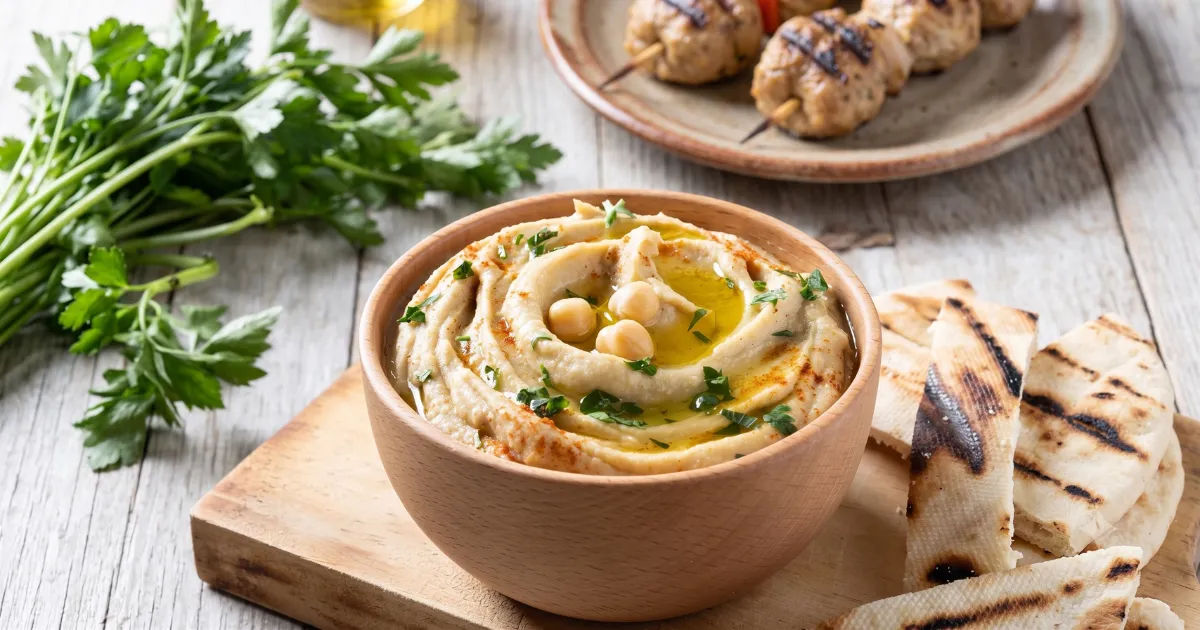
Many recipes feature vegetables, legumes, whole grains, herbs, olive oil, and yogurt, making them naturally rich in vitamins, minerals, healthy fats, and plant-based protein.One of the greatest advantages of middle eastern appetizers is their versatility. Some dishes are light and refreshing, while others are hearty enough to satisfy hunger before the main course.
They can be served at casual gatherings, holiday celebrations, or everyday meals. Because many recipes rely on simple ingredients instead of heavily processed foods, they easily fit into a balanced diet.In this comprehensive guide, you'll discover what makes healthy middle eastern appetizers special, their nutritional benefits, popular recipes, preparation tips, and ways to serve them for every occasion.
Why Healthy Middle Eastern Appetizers Are So Popular
The popularity of middle eastern appetizers continues to grow because they emphasize fresh, wholesome ingredients instead of processed foods. Many recipes have been passed down through generations and remain favorites today because they are both flavorful and nutritious.
Unlike fried or heavily processed appetizers, many Middle Eastern starters focus on vegetables, beans, herbs, and healthy oils. These ingredients naturally support a balanced lifestyle while providing satisfying flavors.
Some of the biggest reasons people enjoy healthy middle eastern appetizers include:
- Fresh ingredients
- Rich natural flavors
- High fiber content
- Healthy fats from olive oil
- Plant-based protein
- Easy preparation
- Beautiful presentation
- Variety for different diets
Whether someone follows a vegetarian, vegan, or Mediterranean-style diet, there are plenty of delicious options available.
What Makes Middle Eastern Appetizers Healthy?
Many traditional recipes include ingredients known for their nutritional value. Instead of relying on excessive butter or heavy cream, most middle eastern appetizers use olive oil, herbs, spices, vegetables, and legumes.
These ingredients work together to create meals that are filling without feeling overly heavy.
Fresh Vegetables
Vegetables play a major role in healthy middle eastern appetizers. Tomatoes, cucumbers, eggplants, peppers, onions, spinach, parsley, mint, and carrots appear in countless recipes.
Fresh vegetables provide:
- Vitamin A
- Vitamin C
- Potassium
- Fiber
- Antioxidants
They also add bright colors that make every appetizer visually appealing.
Chickpeas
Chickpeas are among the most common ingredients in middle eastern appetizers. They are naturally rich in protein and fiber, making them an excellent choice for both vegetarians and meat eaters.
Chickpeas also contain:
- Iron
- Magnesium
- Folate
- Zinc
- Complex carbohydrates
These nutrients help provide lasting energy throughout the day.
Olive Oil
Extra virgin olive oil is one of the healthiest fats used in middle eastern appetizers. It contributes rich flavor while supporting heart health.
Olive oil contains:
- Monounsaturated fats
- Vitamin E
- Polyphenols
- Antioxidants
Using olive oil instead of saturated fats can support a healthy eating pattern.
Fresh Herbs
Fresh herbs are essential in many middle eastern appetizers.
Common herbs include:
- Parsley
- Mint
- Cilantro
- Dill
- Oregano
These herbs enhance flavor naturally without requiring excess salt.
Yogurt
Plain yogurt appears in many healthy dips and sauces served alongside middle eastern appetizers.
Yogurt provides:
- Protein
- Calcium
- Probiotics
- Vitamin B12
Choosing plain yogurt instead of sweetened varieties keeps sugar levels lower.
Nutritional Benefits of Middle Eastern Appetizers
Healthy middle eastern appetizers offer numerous nutritional advantages that support overall wellness.
High in Fiber
Many recipes include beans, vegetables, and whole grains.
Fiber supports:
- Healthy digestion
- Blood sugar control
- Fullness after meals
- Heart health
Excellent Source of Plant Protein
Legumes provide high-quality protein without excessive saturated fat.
Protein helps:
- Build muscle
- Repair tissues
- Support metabolism
- Reduce hunger
Rich in Healthy Fats
Olive oil, nuts, and seeds provide healthy fats that contribute to heart health and brain function.
Packed with Antioxidants
Colorful vegetables and herbs contain antioxidants that help protect cells from damage.
These nutrients may help reduce inflammation while supporting long-term health.
Popular Healthy Middle Eastern Appetizers
Many traditional recipes fit perfectly into a healthy lifestyle.
Hummus
Hummus is perhaps the best-known example of healthy middle eastern appetizers.
Made from chickpeas, tahini, garlic, lemon juice, and olive oil, hummus offers a creamy texture packed with nutrients.
Benefits include:
- High protein
- Rich fiber
- Healthy fats
- Iron
- Magnesium
Serve hummus with sliced vegetables or whole wheat pita.
Baba Ganoush
Baba ganoush is a smoky eggplant dip made from roasted eggplant, tahini, garlic, lemon juice, and olive oil.
Its nutritional benefits include:
- Fiber
- Potassium
- Antioxidants
- Low calories
Roasting the eggplant instead of frying keeps this appetizer light.
Tabbouleh
Tabbouleh is a refreshing parsley salad that combines fresh herbs, tomatoes, cucumbers, bulgur wheat, lemon juice, and olive oil.
This colorful salad delivers:
- Vitamin C
- Fiber
- Whole grains
- Fresh herbs
It pairs well with grilled meats or seafood.
Stuffed Grape Leaves
Stuffed grape leaves are another classic among healthy middle eastern appetizers.
Traditional fillings include:
- Rice
- Parsley
- Dill
- Mint
- Tomatoes
- Olive oil
Some versions also include lean ground meat.
Falafel
Falafel is traditionally deep-fried, but baked or air-fried versions are much healthier.
Made from chickpeas or fava beans, falafel provides:
- Plant protein
- Fiber
- Iron
- Folate
Serve with yogurt sauce or hummus for extra flavor.
Cucumber Yogurt Dip
A refreshing yogurt dip combines:
- Plain yogurt
- Cucumbers
- Garlic
- Mint
- Dill
This cooling appetizer complements spicy dishes while providing protein and probiotics.
Common Ingredients Found in Healthy Middle Eastern Appetizers
Many ingredients appear repeatedly because they offer outstanding nutrition.
Legumes
Popular choices include:
- Chickpeas
- Lentils
- Fava beans
These ingredients are inexpensive, filling, and rich in protein.
Whole Grains
Many middle eastern appetizers use grains such as:
- Bulgur
- Whole wheat pita
- Barley
Whole grains provide lasting energy while increasing fiber intake.
Nuts and Seeds
Tahini, sesame seeds, walnuts, almonds, and pistachios contribute healthy fats, minerals, and flavor.
Moderate portions help increase nutritional value without excessive calories.
Fresh Citrus
Lemon juice brightens flavors naturally while adding vitamin C.
Fresh citrus also reduces the need for extra salt.
Healthy Cooking Methods
The preparation method can significantly affect nutrition.
Healthy middle eastern appetizers often rely on cooking techniques that preserve nutrients.
Roasting
Roasting vegetables develops rich flavors without excessive oil.
Common roasted vegetables include:
- Eggplant
- Bell peppers
- Tomatoes
- Cauliflower
Grilling
Grilled vegetables and lean meats create delicious appetizers with less fat than frying.
Steaming
Steaming helps preserve vitamins while maintaining texture.
Vegetables remain colorful and tender.
Air Frying
Modern air fryers make healthier falafel using very little oil while maintaining a crispy exterior.
Best Foods to Serve with Middle Eastern Appetizers
Healthy middle eastern appetizers become even more satisfying when paired with complementary foods.
Excellent serving options include:
- Fresh cucumber slices
- Carrot sticks
- Celery
- Bell pepper strips
- Whole wheat pita bread
- Whole grain crackers
- Olives
- Fresh tomatoes
- Mixed greens
- Grilled chicken
- Grilled fish
Combining several appetizers creates a colorful appetizer platter suitable for parties or family dinners.
Healthy Swaps for Traditional Recipes
Many classic middle eastern appetizers are already nutritious, but a few simple changes can make them even healthier without sacrificing flavor.
Use Less Salt
Fresh herbs, garlic, lemon juice, cumin, paprika, coriander, and mint add bold flavor naturally. Using these ingredients reduces the need for excess salt while keeping dishes vibrant and satisfying.
Choose Whole Grains
Whenever possible, replace refined grains with whole-grain alternatives.
Examples include:
- Whole wheat pita
- Bulgur wheat
- Brown rice
- Whole grain crackers
Whole grains contain more fiber, vitamins, and minerals than refined options.
Bake Instead of Fry
Some middle eastern appetizers are traditionally fried, but baking or air frying produces similar texture with much less oil.
Foods that work well with this method include:
- Falafel
- Stuffed pastries
- Vegetable fritters
Increase the Vegetables
Adding more vegetables boosts nutrition while keeping calories under control.
Great additions include:
- Spinach
- Kale
- Bell peppers
- Zucchini
- Carrots
- Cucumbers
- Tomatoes
These vegetables add color, texture, and valuable nutrients.
Vegetarian and Vegan Middle Eastern Appetizers
One reason middle eastern appetizers appeal to so many people is the wide variety of vegetarian and vegan choices available.
Popular vegetarian options include:
- Hummus
- Baba ganoush
- Tabbouleh
- Stuffed grape leaves
- Roasted vegetables
- Lentil salad
Many of these dishes are naturally vegan as well, making them suitable for guests with different dietary preferences.
For recipes that include yogurt, dairy-free yogurt made from almonds, oats, or coconut can be substituted.
Building the Perfect Appetizer Platter
A well-balanced platter combines different textures, colors, and flavors.
Consider including:
- Hummus
- Baba ganoush
- Tabbouleh
- Fresh vegetables
- Whole wheat pita
- Olives
- Roasted nuts
- Stuffed grape leaves
- Baked falafel
- Yogurt dip
This combination offers protein, fiber, healthy fats, and plenty of vitamins while creating an attractive presentation.
Tips for Serving Middle Eastern Appetizers
Presentation is an important part of enjoying middle eastern appetizers.
Keep these ideas in mind:
- Serve dips in small bowls.
- Garnish with fresh parsley or mint.
- Add a drizzle of olive oil.
- Sprinkle paprika or sumac on dips.
- Arrange vegetables neatly around the platter.
- Include lemon wedges for added freshness.
- Serve warm items immediately after cooking.
These simple touches make appetizers look as appealing as they taste.
Meal Prep Ideas
Many middle eastern appetizers can be prepared ahead of time, making them excellent choices for busy households.
Make Dips in Advance
Hummus and baba ganoush often taste even better after resting in the refrigerator for several hours. Preparing them a day ahead allows the flavors to blend beautifully.
Chop Vegetables Early
Wash and slice vegetables in advance so they are ready to serve whenever needed.
Store them in airtight containers to maintain freshness.
Cook Grains Ahead
Prepare bulgur, quinoa, or brown rice ahead of time for salads and stuffed vegetables.
Freeze Falafel
Uncooked falafel mixture freezes well.
Shape the patties before freezing, then bake or air fry directly from frozen when ready to enjoy.
Storage Tips
Proper storage helps maintain freshness and food safety.
Most middle eastern appetizers keep well when refrigerated.
General guidelines include:
- Hummus: 4 to 5 days
- Baba ganoush: 3 to 4 days
- Tabbouleh: 2 to 3 days
- Yogurt dips: 3 days
- Stuffed grape leaves: 4 days
- Baked falafel: 4 days
Always store foods in airtight containers and refrigerate promptly after serving.
Common Mistakes to Avoid
Although middle eastern appetizers are generally healthy, a few common mistakes can reduce their nutritional value.
Using Too Much Oil
Olive oil is nutritious, but large amounts add extra calories. Measure portions rather than pouring freely.
Serving Only Bread
Balance pita bread with plenty of fresh vegetables to increase fiber and vitamins.
Overusing Salt
Fresh herbs and citrus provide excellent flavor without relying heavily on sodium.
Choosing Fried Versions
Whenever possible, choose baked or roasted preparations instead of deep-fried recipes.
Ignoring Portion Sizes
Even healthy foods should be enjoyed in reasonable portions to maintain a balanced diet.
Health Benefits of Eating Middle Eastern Appetizers Regularly
Including middle eastern appetizers in your weekly meals can support overall wellness.
Potential benefits include:
Better Heart Health
Olive oil, legumes, nuts, and vegetables contribute nutrients associated with cardiovascular health.
Improved Digestion
Fiber from beans, vegetables, and whole grains supports healthy digestion and promotes regularity.
Steady Energy
Complex carbohydrates and protein help maintain energy levels throughout the day.
Weight Management
Fiber-rich foods increase fullness, making it easier to avoid overeating.
Stronger Immune System
Fresh vegetables, herbs, garlic, and citrus provide vitamins and antioxidants that support normal immune function.
Healthy Appetizers for Different Occasions
One of the best features of middle eastern appetizers is their versatility.
Family Dinners
Serve a selection of dips, vegetables, and whole wheat pita before the main meal.
Holiday Celebrations
Prepare a colorful appetizer table featuring several traditional favorites.
Outdoor Picnics
Many salads and dips travel well when stored in insulated containers.
Office Gatherings
Small portions of hummus, vegetables, and baked falafel make convenient finger foods.
Healthy Snacks
Individual containers of hummus paired with sliced vegetables provide a satisfying snack between meals.
Frequently Asked Questions
Are Middle Eastern appetizers healthy?
Yes. Most middle eastern appetizers are made with vegetables, legumes, herbs, olive oil, and whole grains, making them nutrient-rich and satisfying.
Which appetizer has the most protein?
Hummus, falafel, and lentil-based dishes are among the highest in plant protein.
Are these appetizers suitable for vegetarians?
Many traditional recipes are naturally vegetarian, and many are also vegan.
Can they help with weight management?
When enjoyed in appropriate portions and prepared using healthy cooking methods, middle eastern appetizers can fit well into a balanced eating plan because they are often rich in fiber and protein.
Are they easy to prepare at home?
Yes. Most recipes use simple ingredients and require basic cooking techniques, making them suitable for beginners.
Conclusion
Healthy middle eastern appetizers are much more than flavorful starters. They represent a way of eating that celebrates fresh ingredients, balanced nutrition, and time-honored culinary traditions. From creamy hummus and smoky baba ganoush to refreshing tabbouleh and baked falafel, these dishes offer a delicious combination of taste and health benefits.
One of the greatest strengths of middle eastern appetizers is their flexibility. They can be served as snacks, side dishes, party platters, or even light meals. Their reliance on vegetables, legumes, herbs, olive oil, and whole grains makes them suitable for many different lifestyles, including vegetarian and Mediterranean-inspired eating patterns.
Preparing these appetizers at home also allows you to control ingredients, reduce sodium, limit unhealthy fats, and experiment with fresh seasonal produce. Small adjustments such as baking instead of frying, using whole grains, and adding extra vegetables can further improve their nutritional value while preserving their authentic flavors.
Whether you are introducing Middle Eastern cuisine to your family for the first time or expanding your collection of wholesome recipes, middle eastern appetizers provide an excellent balance of nutrition, variety, and satisfaction. By including these colorful dishes in your regular meal planning, you can enjoy foods that are both nourishing and enjoyable for everyday dining and special occasions alike.