16, May 2026
How does a pond contractor Long Island NY design a pond?

Creating a beautiful backyard pond is more than digging a hole and filling it with water. A professionally designed pond becomes the centerpiece of a landscape, adds property value, improves relaxation, and creates a natural ecosystem right outside your home.
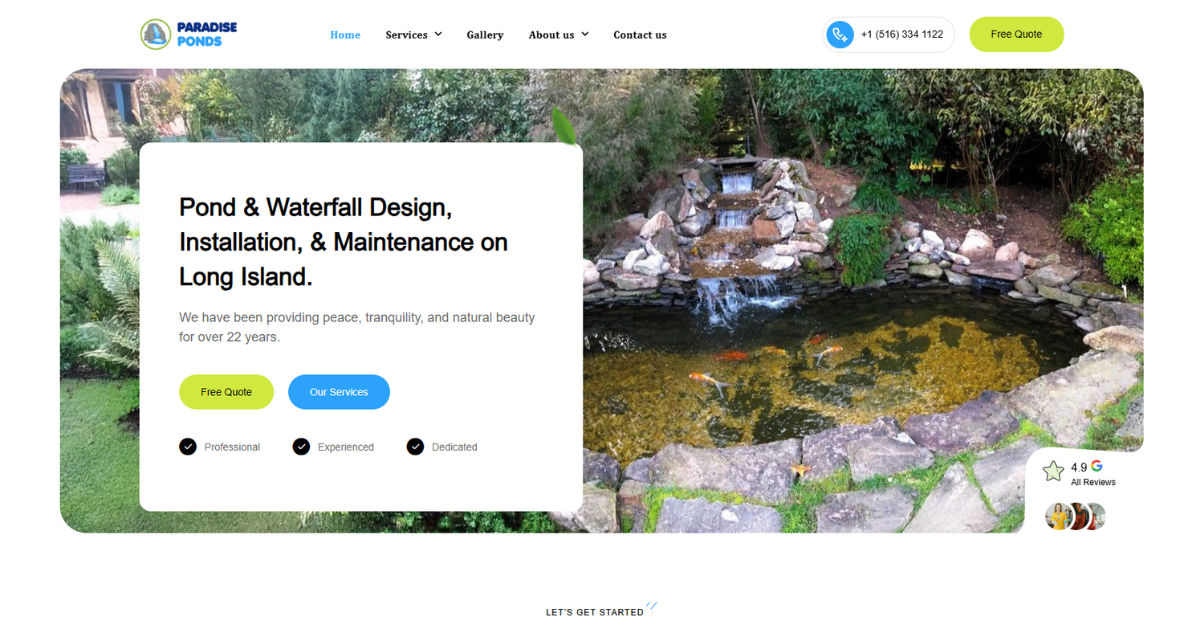
Homeowners across New York often hire a pond contractor Long Island NY because designing a pond requires planning, technical knowledge, creativity, and experience.

A skilled pond contractor Long Island NY understands how to combine aesthetics with functionality. From choosing the right location to installing pumps, waterfalls, aquatic plants, lighting, and filtration systems, every detail matters. The process involves both artistic vision and engineering precision.

This guide explains exactly how a pond contractor Long Island NY designs a pond from start to finish. Whether you want a koi pond, ecosystem pond, garden pond, or decorative water feature, understanding the design process will help you make informed decisions and achieve the backyard oasis you envision.

Why Pond Design Matters

A pond is not simply a water feature. It becomes part of the entire outdoor environment. Poorly designed ponds can suffer from algae growth, drainage issues, leaks, poor circulation, and expensive maintenance problems.

That is why hiring a professional pond contractor Long Island NY is important. A professional ensures the pond is both beautiful and sustainable. The right design balances water flow, depth, sunlight exposure, and surrounding landscaping.

A properly designed pond can:

  • Improve property appearance
  • Increase home value
  • Create a peaceful atmosphere
  • Support fish and aquatic plants
  • Attract wildlife
  • Reduce stress and noise pollution
  • Enhance outdoor entertainment spaces

The design stage is where all these benefits begin.

Understanding the Client’s Vision

The first step a pond contractor Long Island NY takes is understanding the homeowner’s goals. Every pond project is unique because every property and homeowner is different.

During the consultation, the contractor asks important questions such as:

  • What type of pond do you want?
  • Will the pond include fish?
  • Do you want waterfalls or streams?
  • What is your budget?
  • How much maintenance are you comfortable with?
  • What style fits your home?
  • Will the pond be used for relaxation, entertaining, or aesthetics?

Some homeowners prefer modern geometric ponds, while others want a natural-looking ecosystem pond. A skilled pond contractor Long Island NY uses this information to begin shaping the project.

Evaluating the Property

Before construction starts, the contractor carefully examines the property. Site analysis is essential because environmental conditions directly affect pond performance.

Sunlight Exposure

Sunlight influences algae growth and plant health. Too much direct sunlight may overheat the water and encourage algae blooms. Too much shade can limit aquatic plant growth.

A professional pond contractor Long Island NY studies the amount of sunlight the area receives throughout the day before finalizing the design.

Soil Conditions

Different soil types affect excavation and pond stability. Sandy soil drains differently than clay soil. Rocky soil may require special equipment.

The contractor checks:

  • Soil composition
  • Drainage patterns
  • Water retention
  • Ground stability

These factors help determine the best construction methods.

Elevation and Slope

Natural slopes can enhance waterfalls and streams. However, steep or uneven terrain may require retaining walls or grading work.

A knowledgeable pond contractor Long Island NY uses the land’s natural contours to improve both appearance and functionality.

Underground Utilities

Safety is critical. Contractors identify underground gas lines, electrical cables, and plumbing systems before excavation begins.

This prevents damage and ensures the pond is installed safely.

Choosing the Pond Type

The design process depends heavily on the type of pond being built. A pond contractor Long Island NY helps homeowners choose the right option based on lifestyle, budget, and property size.

Ecosystem Ponds

Ecosystem ponds mimic natural water environments. They include rocks, aquatic plants, fish, waterfalls, and biological filtration systems.

These ponds are popular because they look natural and support healthy ecosystems.

Koi Ponds

Koi ponds are specifically designed for ornamental koi fish. They are usually deeper and include advanced filtration systems to maintain water quality.

A professional pond contractor Long Island NY ensures the pond depth protects fish from predators and temperature fluctuations.

Garden Ponds

Garden ponds focus mainly on visual appeal. They may include lilies, decorative stones, fountains, and lighting.

These ponds are ideal for homeowners seeking relaxation and beauty.

Pondless Waterfalls

Some homeowners want moving water without a standing pond. Pondless waterfalls recycle water through hidden underground reservoirs.

A pond contractor Long Island NY often recommends these systems for families with small children or limited yard space.

Creating the Pond Layout

Once the pond type is selected, the contractor begins designing the layout.

Shape and Size

The shape should complement the surrounding landscape and architecture.

Natural ponds usually feature curved edges and irregular outlines. Modern ponds often have clean geometric lines.

The size depends on:

  • Yard dimensions
  • Budget
  • Intended use
  • Maintenance preferences

An experienced pond contractor Long Island NY balances visual impact with practicality.

Depth Planning

Depth is extremely important for pond health and functionality.

Shallow ponds warm quickly and may encourage algae growth. Deep ponds support fish survival and stable water temperatures.

Typical depth ranges include:

  • Decorative ponds: 18 to 24 inches
  • Ecosystem ponds: 2 to 3 feet
  • Koi ponds: 3 to 5 feet

A skilled pond contractor Long Island NY designs depth zones to support plants, fish, and filtration.

Waterfall Placement

Waterfalls create movement, oxygenation, and relaxing sound effects.

The contractor carefully positions waterfalls to maximize visibility and improve circulation. Placement also depends on elevation changes and viewing angles.

Designing Water Circulation Systems

Water movement is essential for pond health. Stagnant water can develop algae, odors, and poor oxygen levels.

A professional pond contractor Long Island NY designs efficient circulation systems using pumps, skimmers, and filters.

Pumps

The pump keeps water moving through the system.

The contractor selects the pump size based on:

  • Pond volume
  • Waterfall height
  • Flow requirements
  • Energy efficiency

Proper pump sizing ensures healthy circulation without excessive energy use.

Skimmers

Skimmers remove leaves, debris, and floating particles before they sink.

A pond contractor Long Island NY strategically places skimmers where water currents naturally carry debris.

Biological Filters

Biological filtration supports beneficial bacteria that break down waste and maintain water clarity.

The contractor designs filtration systems that balance natural ecosystem processes with mechanical cleaning.

Selecting Pond Liners

Pond liners prevent water loss and maintain structural integrity.

A pond contractor Long Island NY chooses liners based on durability, flexibility, and pond size.

EPDM Rubber Liners

These liners are highly flexible and resistant to weather damage. They are commonly used for custom pond shapes.

PVC Liners

PVC liners are less expensive but may not last as long as rubber liners.

Reinforced Liners

For large or commercial ponds, reinforced liners offer added durability and puncture resistance.

The contractor also installs protective underlayment beneath the liner to prevent damage from rocks and roots.

Integrating Aquatic Plants

Plants are essential for ecosystem balance and visual beauty.

A professional pond contractor Long Island NY selects aquatic plants that improve water quality while enhancing aesthetics.

Floating Plants

Floating plants help shade the water and reduce algae growth.

Examples include:

  • Water lettuce
  • Water hyacinth
  • Duckweed

Marginal Plants

These plants grow along pond edges and soften transitions between water and land.

Popular choices include:

  • Cattails
  • Iris
  • Pickerel rush

Submerged Plants

Submerged plants oxygenate the water and support fish health.

The contractor carefully balances plant coverage to avoid overcrowding.

Adding Fish to the Pond

Many homeowners want fish as part of their pond design.

A pond contractor Long Island NY considers fish needs during the planning phase.

Koi Fish

Koi are colorful ornamental fish that require deep water and excellent filtration.

The contractor designs hiding areas and predator protection features.

Goldfish

Goldfish are easier to maintain and adapt well to smaller ponds.

Fish Health Considerations

The contractor ensures:

  • Adequate oxygen levels
  • Proper filtration
  • Stable temperatures
  • Balanced ecosystem conditions

Healthy pond design leads to healthier fish.

Incorporating Lighting Features

Lighting transforms ponds into nighttime focal points.

A skilled pond contractor Long Island NY designs lighting systems that highlight waterfalls, plants, and pathways.

Underwater Lighting

Submersible lights illuminate waterfalls and fish movement.

Landscape Lighting

Path lights improve safety while enhancing visual appeal.

Accent Lighting

Spotlights emphasize rocks, sculptures, or surrounding landscaping.

Energy-efficient LED systems are commonly used for durability and low operating costs.

Choosing Natural Materials

Natural materials help ponds blend into the surrounding environment.

A pond contractor Long Island NY carefully selects rocks, gravel, and boulders to create realistic appearances.

Boulders

Large stones define pond edges and waterfalls.

Gravel

Gravel supports beneficial bacteria and improves natural aesthetics.

Decorative Stone

Different stone colors and textures influence the overall style.

The contractor arranges materials strategically to create balance and stability.

Managing Drainage and Overflow

Drainage planning is critical for pond longevity.

Heavy rainfall can cause flooding if overflow systems are not properly designed.

A professional pond contractor Long Island NY installs overflow drains and grading systems to direct excess water safely away from structures.

This protects:

  • The pond liner
  • Nearby landscaping
  • Home foundations
  • Walkways and patios

Proper drainage prevents costly future repairs.

Designing for Seasonal Changes

Long Island experiences seasonal weather changes that affect pond performance.

A knowledgeable pond contractor Long Island NY designs ponds that function year-round.

Winter Preparation

Cold temperatures require:

  • Deeper fish zones
  • Freeze protection
  • Winter pump adjustments

Summer Considerations

Warm weather increases evaporation and algae growth.

The contractor designs shade areas and circulation systems to maintain stable temperatures.

Seasonal planning ensures the pond remains healthy in all conditions.

Environmental Sustainability

Modern pond design increasingly focuses on sustainability.

A responsible pond contractor Long Island NY incorporates eco-friendly practices into the project.

Energy-Efficient Equipment

Low-energy pumps and LED lighting reduce electricity usage.

Rainwater Collection

Some ponds use rainwater harvesting systems to reduce water waste.

Natural Filtration

Biological filtration minimizes chemical use.

Sustainable pond design protects the environment while reducing maintenance costs.

Construction Process

After the design is finalized, construction begins.

Excavation

The contractor carefully excavates the pond according to the design specifications.

Installing the Liner

Underlayment and liner materials are placed securely to prevent leaks.

Plumbing Installation

Pumps, skimmers, and filtration systems are installed before adding water.

Rock Placement

Boulders and gravel are arranged to create natural appearances.

Filling the Pond

The pond is filled and circulation systems are tested.

Plant and Fish Introduction

Plants are added first to establish ecosystem balance before introducing fish.

A professional pond contractor Long Island NY carefully monitors water quality during startup.

Maintenance Planning

Even beautifully designed ponds require maintenance.

A reliable pond contractor Long Island NY educates homeowners about ongoing care requirements.

Routine Maintenance Tasks

These include:

  • Cleaning skimmers
  • Checking pumps
  • Trimming plants
  • Monitoring water quality
  • Removing debris

Professional Maintenance Services

Some contractors provide seasonal cleaning and maintenance programs.

Regular care extends pond life and preserves water clarity.

Common Pond Design Mistakes

Experienced contractors help homeowners avoid costly mistakes.

Poor Location Selection

Building under large trees can create constant debris problems.

Inadequate Filtration

Undersized filters lead to cloudy water and algae growth.

Incorrect Pond Depth

Shallow ponds may overheat and stress fish.

Poor Water Circulation

Dead zones encourage stagnation and mosquito breeding.

A qualified pond contractor Long Island NY prevents these issues through careful planning.

Benefits of Hiring a Professional Contractor

DIY pond projects may seem appealing, but professional expertise provides major advantages.

A skilled pond contractor Long Island NY offers:

  • Technical knowledge
  • Design expertise
  • Proper equipment
  • Efficient installation
  • Long-term reliability
  • Warranty protection
  • Safety compliance

Professional design often saves money over time by reducing repair and maintenance problems.

Trends in Pond Design

Pond design continues evolving with new technologies and landscaping trends.

Smart Pond Systems

Automated controls allow homeowners to monitor pumps, lighting, and water quality remotely.

Natural Swimming Ponds

These combine recreational swimming with natural filtration systems.

Minimalist Designs

Modern homeowners increasingly prefer sleek, simple water features.

Wildlife-Friendly Ponds

Eco-conscious designs support birds, butterflies, frogs, and beneficial insects.

A forward-thinking pond contractor Long Island NY stays updated with industry innovations.

How Long Does Pond Design Take?

The timeline depends on project complexity.

Simple garden ponds may take several days, while large ecosystem ponds may require several weeks.

Factors affecting timelines include:

  • Weather conditions
  • Permit requirements
  • Excavation challenges
  • Material availability
  • Custom features

An experienced pond contractor Long Island NY provides realistic schedules and project planning.

Budget Considerations

Pond costs vary widely based on size and features.

Pricing may include:

  • Excavation
  • Liners
  • Pumps
  • Filtration systems
  • Lighting
  • Landscaping
  • Fish and plants
  • Maintenance services

A professional contractor helps homeowners balance goals with budget limitations.

Questions to Ask Before Hiring a Contractor

Choosing the right contractor is essential.

Homeowners should ask:

  • How much pond experience do you have?
  • Can I see past projects?
  • Do you provide maintenance services?
  • What warranty do you offer?
  • How do you handle drainage?
  • What filtration systems do you recommend?

A trustworthy pond contractor Long Island NY answers these questions clearly and professionally.

Conclusion

Designing a pond is both an art and a science. A professional pond contractor Long Island NY carefully combines creativity, engineering, landscaping, and environmental knowledge to create a water feature that enhances the entire property.

From evaluating the site and choosing pond types to installing pumps, waterfalls, lighting, and filtration systems, every detail plays an important role in long-term success. Proper design ensures beauty, durability, healthy ecosystems, and easier maintenance.

Homeowners who invest in professional pond design enjoy peaceful outdoor spaces that provide relaxation, natural beauty, and increased property value for years to come. Whether you want a koi pond, ecosystem pond, garden pond, or pondless waterfall, working with an experienced pond contractor Long Island NY is the key to turning your vision into reality.

 

16, May 2026
How to interview a financial advisor?

Choosing the right financial advisor can shape your financial future for years. Whether you want help with retirement planning, investing, taxes, estate planning, or managing debt, the person you hire will influence many important financial decisions.

That is why learning how to interview a financial advisor is one of the smartest steps you can take before trusting someone with your money.

Many people hire a financial advisor too quickly. They may choose the first person recommended by a friend or someone with a nice office and a confident sales pitch.

Unfortunately, that can lead to poor advice, high fees, and investments that do not match your goals. A careful interview process helps you avoid these mistakes.

The good news is that interviewing a financial advisor is not complicated when you know the right questions to ask. You do not need to be an investment expert.

You only need to understand your goals and learn how to evaluate the advisor’s experience, communication style, compensation structure, and qualifications.

This guide explains everything you need to know about interviewing a financial advisor in a simple and practical way. By the end, you will know how to compare advisors, spot warning signs, and choose someone who truly supports your financial success.

Why Interviewing a Financial Advisor Matters

Hiring a financial advisor is a major decision. This person may help you manage retirement accounts, investment portfolios, savings plans, insurance needs, and long-term financial goals. Because the relationship often lasts many years, you need someone trustworthy and qualified.

A proper interview helps you:

  • Understand the advisor’s experience
  • Learn how they earn money
  • Evaluate communication skills
  • Compare services and fees
  • Determine if they understand your goals
  • Avoid conflicts of interest
  • Build confidence before making commitments

Some people feel nervous interviewing a financial advisor because they assume the advisor is the expert. While that is true, remember that you are the client. You are hiring someone to help manage your financial future. It is completely reasonable to ask detailed questions.

When You Should Start Looking for a Financial Advisor

Many people wait too long before speaking with a financial advisor. They assume advisors are only for wealthy individuals or retirees. In reality, financial guidance can help people at many stages of life.

You may benefit from interviewing a financial advisor if you are:

  • Starting your first full-time job
  • Planning for retirement
  • Getting married
  • Having children
  • Managing debt
  • Receiving an inheritance
  • Buying a home
  • Running a business
  • Planning investments
  • Preparing for college expenses

The earlier you begin financial planning, the more time your money has to grow.

Types of Financial Advisors

Before interviewing a financial advisor, it helps to understand the different types available.

Investment Advisors

These advisors mainly focus on investment management. They help clients build portfolios and manage assets.

Retirement Advisors

A retirement-focused financial advisor helps clients prepare for life after work. They create strategies for savings, withdrawals, and income planning.

Wealth Managers

Wealth managers provide broader services that may include taxes, estate planning, and investment management.

Robo-Advisors

These are digital platforms that use automated systems to manage investments. They are usually lower cost but provide less personal interaction.

Certified Financial Planners

A Certified Financial Planner, often called a CFP, has specialized training in financial planning topics such as taxes, retirement, budgeting, and estate planning.

Understanding these categories helps you choose the right kind of financial advisor for your needs.

How to Prepare Before the Interview

Preparation makes the interview process much easier. Before meeting with a financial advisor, take some time to organize your thoughts and financial information.

Define Your Financial Goals

Ask yourself what you want help with. Common goals include:

  • Saving for retirement
  • Paying off debt
  • Building wealth
  • Creating a budget
  • Investing wisely
  • Planning for children’s education
  • Reducing taxes

Clear goals help the financial advisor understand your needs.

Gather Financial Documents

Bring important financial information such as:

  • Income details
  • Monthly expenses
  • Debt balances
  • Investment accounts
  • Retirement accounts
  • Insurance policies

You do not need every document during the first meeting, but having basic information helps the discussion.

Create a List of Questions

Writing questions ahead of time prevents you from forgetting important topics during the interview.

Important Questions to Ask a Financial Advisor

The interview is your opportunity to evaluate the advisor carefully. The following questions can help you make a confident decision.

What Are Your Qualifications?

Education and certifications matter. Ask the financial advisor about their training, licenses, and professional designations.

Common certifications include:

  • CFP (Certified Financial Planner)
  • CFA (Chartered Financial Analyst)
  • CPA (Certified Public Accountant)

These designations often require education, exams, and ethical standards.

How Long Have You Been Working as a Financial Advisor?

Experience matters because financial markets change over time. A seasoned financial advisor has likely guided clients through economic ups and downs.

Ask about:

  • Years in the industry
  • Types of clients served
  • Areas of expertise
  • Experience with situations similar to yours

Are You a Fiduciary?

This is one of the most important questions.

A fiduciary financial advisor must act in your best interest. Some advisors only need to recommend “suitable” products, which may still include higher commissions or conflicts of interest.

Always ask for a clear answer.

How Do You Get Paid?

Understanding compensation helps you identify potential conflicts.

Common payment structures include:

Fee-Only Advisors

These advisors charge flat fees, hourly rates, or a percentage of assets managed. They do not earn commissions from product sales.

Commission-Based Advisors

These advisors earn money from selling financial products such as insurance or mutual funds.

Fee-Based Advisors

These advisors combine fees and commissions.

Ask the financial advisor to explain all costs clearly.

What Services Do You Provide?

Not every advisor offers the same services.

Some focus only on investments, while others help with:

  • Budgeting
  • Retirement planning
  • Insurance analysis
  • Tax strategies
  • Estate planning

Choose a financial advisor whose services match your needs.

What Is Your Investment Philosophy?

Every financial advisor approaches investing differently.

Some prefer aggressive growth strategies, while others focus on long-term stability. Ask how they manage risk and make investment decisions.

Good advisors should explain their approach in simple language.

How Will We Communicate?

Communication is essential in any financial relationship.

Ask questions like:

  • How often will we meet?
  • Will meetings be virtual or in person?
  • Can I contact you anytime?
  • How quickly do you respond to emails or calls?

A reliable financial advisor should communicate clearly and consistently.

Who Is Your Typical Client?

Some advisors specialize in retirees, business owners, or high-income families. Others focus on young professionals or middle-income households.

Ask whether the financial advisor regularly works with people in situations similar to yours.

Can You Explain Your Financial Planning Process?

A professional advisor should have a clear process.

This often includes:

  1. Learning about your goals
  2. Reviewing your finances
  3. Creating a strategy
  4. Implementing recommendations
  5. Monitoring progress

A structured process shows professionalism and organization.

What Happens During Market Downturns?

Markets rise and fall. A strong financial advisor helps clients stay calm during difficult times.

Ask how they handle market declines and communicate with clients during economic uncertainty.

Their answer can reveal emotional discipline and experience.

Can You Provide References?

Some advisors may provide references or testimonials from clients. While rules vary, hearing from current clients can help you understand the advisor’s strengths and weaknesses.

Red Flags to Watch For

Not every financial advisor is a good choice. Watch for warning signs during the interview.

Guaranteed Returns

No advisor can guarantee investment performance. Promises of “safe high returns” are unrealistic.

Pressure to Act Quickly

A trustworthy financial advisor gives you time to think. Avoid anyone pressuring you into fast decisions.

Unclear Fees

If the advisor cannot explain fees simply and clearly, that is a concern.

Poor Communication

If the advisor ignores questions or uses confusing language, communication problems may continue later.

Focus on Selling Products

Be cautious if the advisor pushes products immediately without understanding your goals.

How Many Financial Advisors Should You Interview?

It is smart to interview at least three advisors before making a decision.

Comparing multiple professionals helps you evaluate:

  • Communication styles
  • Fee structures
  • Experience levels
  • Personal compatibility

Choosing a financial advisor is not only about technical knowledge. You also need someone you trust and feel comfortable speaking with openly.

Understanding Financial Advisor Fees

Fees directly affect your long-term returns. Even small differences can become significant over time.

Percentage of Assets

Many advisors charge 1% of assets under management.

For example:

  • $100,000 invested = about $1,000 annually
  • $500,000 invested = about $5,000 annually

Hourly Fees

Some advisors charge hourly consulting rates.

Flat Fees

Others offer annual planning packages for a fixed price.

Always request a complete explanation of costs before hiring a financial advisor.

Should You Choose a Local Financial Advisor?

Some people prefer meeting face-to-face, while others are comfortable with virtual meetings.

A local financial advisor may provide more personal interaction. However, technology now allows many clients to work effectively with advisors nationwide.

Focus more on qualifications, communication, and trust than physical location alone.

The Importance of Trust

Financial planning involves sensitive topics such as income, debt, family goals, and retirement fears. You should feel comfortable discussing these openly.

A strong relationship with a financial advisor requires:

  • Honesty
  • Respect
  • Transparency
  • Clear communication
  • Mutual understanding

Trust develops over time, but the interview gives you an early sense of compatibility.

Questions About Retirement Planning

If retirement is your goal, ask specific retirement questions.

Examples include:

  • How much should I save monthly?
  • When can I realistically retire?
  • How do you plan retirement income?
  • How do you manage inflation risk?
  • What withdrawal strategy do you recommend?

An experienced financial advisor should explain retirement concepts clearly and practically.

Questions About Risk

Risk tolerance varies from person to person.

Ask the financial advisor:

  • How do you measure risk tolerance?
  • What happens if my investments lose value?
  • How do you diversify portfolios?
  • How do you adjust investments over time?

Their answers should align with your comfort level.

Questions About Taxes

Taxes play a major role in financial planning.

Ask whether the financial advisor considers:

  • Tax-efficient investing
  • Retirement account strategies
  • Capital gains management
  • Roth conversions

Smart tax planning can improve long-term results.

Questions About Estate Planning

Estate planning is important even for middle-income families.

Ask if the advisor helps with:

  • Wills
  • Trusts
  • Beneficiary planning
  • Wealth transfer strategies

Some advisors work directly with estate attorneys to coordinate planning.

How Technology Impacts Financial Advice

Modern advisors often use technology for:

  • Portfolio tracking
  • Financial planning tools
  • Virtual meetings
  • Secure document sharing

Ask how the financial advisor uses technology to support clients.

Good technology can improve communication and organization.

How to Compare Financial Advisors

After interviewing several advisors, compare them carefully.

You may create a simple chart comparing:

Category Advisor A Advisor B Advisor C
Experience      
Fees      
Communication      
Services      
Certifications      
Comfort Level      

This makes decision-making easier.

Why Personality Matters

Technical knowledge is important, but personality matters too.

You may work with your financial advisor for decades. You need someone who listens carefully and explains concepts clearly.

Choose someone who:

  • Respects your goals
  • Answers questions patiently
  • Makes you feel comfortable
  • Explains things simply

A good relationship improves long-term financial success.

Common Mistakes People Make When Hiring a Financial Advisor

Many people rush the process or overlook important details.

Choosing Based Only on Recommendations

A friend’s advisor may not fit your needs.

Ignoring Fees

High fees can reduce investment growth significantly.

Failing to Verify Credentials

Always confirm licenses and certifications.

Not Asking Enough Questions

The interview exists to help you gather information.

Focusing Only on Investment Returns

A quality financial advisor offers more than investment performance. They also help with planning, discipline, and decision-making.

Online Reviews and Research

Researching online can provide additional insight.

Look for:

  • Professional websites
  • Client reviews
  • Regulatory records
  • Industry credentials

However, remember that reviews alone should not determine your final decision.

How Young Adults Can Benefit From a Financial Advisor

Young adults often believe they do not need professional advice yet. In reality, starting early can create major long-term advantages.

A financial advisor can help young adults:

  • Build strong savings habits
  • Start investing early
  • Manage student loans
  • Create realistic budgets
  • Plan for future goals

Small financial decisions made early can have powerful long-term effects.

Questions About Insurance

Insurance planning is another important topic.

Ask the advisor whether they help with:

  • Life insurance
  • Disability insurance
  • Long-term care insurance

Be cautious if the financial advisor aggressively pushes insurance products without fully reviewing your needs.

How Often Should You Review Your Financial Plan?

Financial planning is ongoing.

Most people should review plans annually or after major life events such as:

  • Marriage
  • Divorce
  • Job changes
  • Children
  • Inheritance
  • Retirement

Ask the financial advisor how often reviews are scheduled.

Interviewing a Financial Advisor Virtually

Virtual meetings are now common and convenient.

Before a virtual interview:

  • Test your internet connection
  • Prepare questions in advance
  • Find a quiet space
  • Keep financial documents nearby

Virtual interviews can still provide strong insight into professionalism and communication.

What Makes a Great Financial Advisor?

The best advisors usually share several qualities.

Strong Communication Skills

A great financial advisor explains financial topics clearly without confusing jargon.

Transparency

They openly discuss fees, risks, and strategies.

Patience

They answer questions carefully and respectfully.

Integrity

They prioritize your interests over commissions or sales.

Long-Term Thinking

They focus on sustainable financial growth rather than short-term excitement.

Taking Notes During Interviews

Taking notes helps you compare advisors later.

Write down:

  • Important answers
  • Fee details
  • Services offered
  • Your overall impressions

Memory fades quickly after multiple meetings.

Trust Your Instincts

Sometimes the decision comes down to comfort and trust.

Even if someone appears highly qualified, you should not ignore warning feelings. A strong relationship with a financial advisor should feel professional, comfortable, and respectful.

Final Thoughts

Learning how to interview a financial advisor is an important step toward building a secure financial future. The right advisor can help you make smarter decisions, stay focused during market changes, and create a long-term plan that matches your goals.

The interview process should never feel rushed. Take your time, ask thoughtful questions, compare several professionals, and pay close attention to communication style, transparency, and trustworthiness. A qualified financial advisor should welcome your questions and explain financial concepts in ways that are easy to understand.

Remember that financial planning is deeply personal. The best advisor for someone else may not be the best choice for you. Focus on finding a professional who understands your goals, respects your concerns, and offers honest guidance tailored to your situation.

By preparing carefully and interviewing advisors thoroughly, you can avoid costly mistakes and build a financial partnership that supports your future for many years.


16, May 2026
How does pdf to image converter work on desktop?

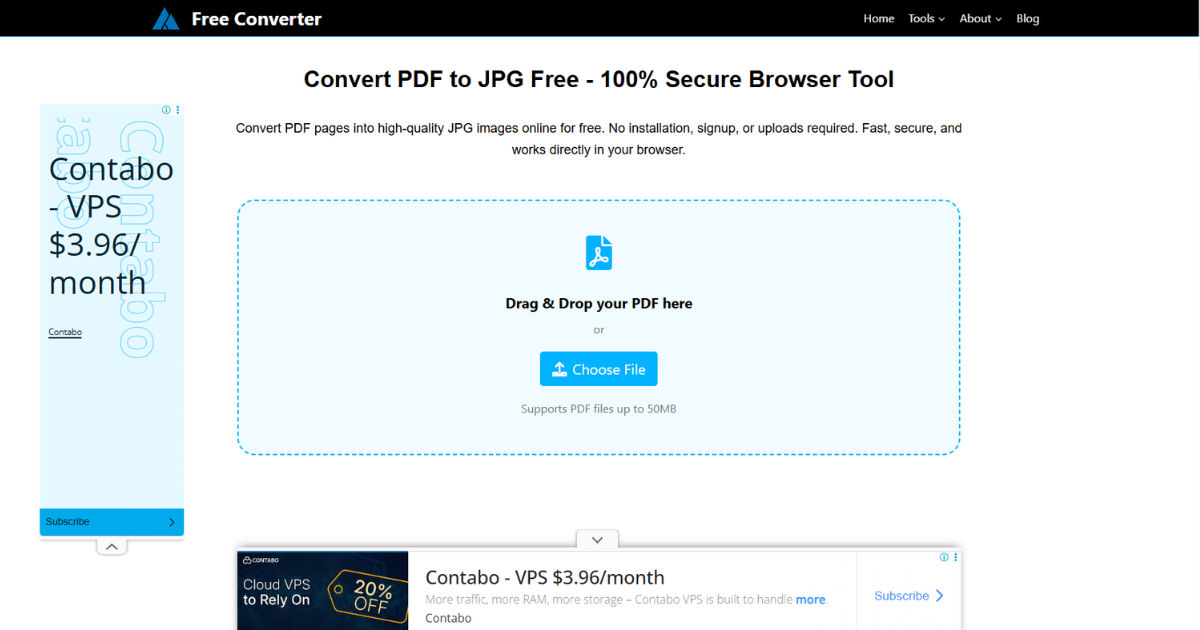
A pdf to image converter is a powerful tool that transforms pages from a PDF document into image formats like JPG, PNG, or BMP on a desktop computer.

A pdf to image converter is widely used by students, designers, office workers, and developers who need to extract visual content from documents.

A pdf to image converter works by reading the internal structure of a PDF file and converting each page into a raster image that can be displayed or edited easily.

A pdf to image converter is especially useful when you want to share a document as images instead of a PDF file. A pdf to image converter helps simplify document handling by making static pages more flexible for editing, sharing, and printing.

To understand how a pdf to image converter works on desktop systems, we need to explore how PDFs are structured, how rendering engines operate, and how images are generated from vector-based content.

A pdf to image converter is not just a simple file changer; it is a complex rendering system that interprets fonts, shapes, and graphics before converting them into pixel-based images.


What is a PDF to Image Converter?

A pdf to image converter is software that reads PDF files and converts each page into a raster image format. On desktops, a pdf to image converter runs locally using system resources like CPU and memory instead of relying on cloud servers. This makes a pdf to image converter faster, more secure, and more reliable for offline use.

A pdf to image converter typically supports multiple output formats such as PNG for lossless quality or JPG for compressed images. Some advanced tools even allow batch processing, where a pdf to image converter can convert hundreds of pages in one operation.

At its core, a pdf to image converter works by interpreting vector instructions inside a PDF and then drawing them as pixels on a virtual canvas. This process is called rasterization, and every pdf to image converter depends on it.


Internal Architecture of a Desktop PDF to Image Converter

A modern pdf to image converter on desktop systems is built using several internal components that work together.

First, a pdf to image converter includes a PDF parsing engine. This engine reads the structure of the file, including text, images, fonts, and vector paths. Without this step, a pdf to image converter cannot understand the content of the document.

Second, a pdf to image converter uses a rendering engine. This engine is responsible for converting vector data into pixel data. Every pdf to image converter relies on this stage to produce accurate visual output.

Third, a pdf to image converter includes an output module that saves the rendered image into formats like PNG or JPG. This module ensures that the final result of a pdf to image converter is usable outside the software.

Finally, a pdf to image converter may include a user interface or command-line interface to allow users to control settings such as resolution, color depth, and page selection.


How Rendering Works Inside a PDF to Image Converter

The rendering process is the heart of any pdf to image converter. When you load a PDF file, the pdf to image converter begins by analyzing each page individually.

A pdf to image converter first breaks down the page into objects such as text blocks, images, and vector shapes. These objects are then processed in a structured order.

Next, a pdf to image converter converts vector instructions into raster pixels. This means lines, curves, and fonts are drawn pixel by pixel on a virtual canvas.

After that, a pdf to image converter applies color profiles, transparency effects, and layering rules. This step ensures the output image looks identical to the original PDF.

Finally, a pdf to image converter compresses the pixel data and exports it into an image file format. The entire process happens in milliseconds for each page, depending on system performance.


Desktop Applications and Types of PDF to Image Converters

There are different types of pdf to image converter software available on desktop platforms.

A standalone pdf to image converter is a dedicated application installed on your computer. It is designed only for converting PDFs into images and often provides high-speed processing.

A bundled pdf to image converter is included in office suites or PDF readers. These tools offer conversion features along with editing and viewing capabilities.

A command-line pdf to image converter is used by developers and advanced users. It allows automation and scripting, making a pdf to image converter useful for large-scale processing tasks.

Some lightweight pdf to image converter tools are designed for quick conversions without installation. These portable versions of a pdf to image converter are often used for simple tasks.


Libraries and Technologies Behind PDF to Image Converter

A pdf to image converter relies heavily on libraries that handle PDF parsing and rendering.

One of the most common technologies used in a pdf to image converter is Poppler. Poppler provides powerful rendering capabilities and is widely used in Linux-based systems.

Another important tool for a pdf to image converter is MuPDF. It is known for being lightweight and extremely fast, making a pdf to image converter more efficient.

Some Windows-based pdf to image converter tools use PDFium, which is developed by Google. PDFium allows a pdf to image converter to handle complex documents smoothly.

Ghostscript is another engine used in many pdf to image converter applications. It processes PostScript and PDF files and converts them into images with high accuracy.

These libraries allow a pdf to image converter to function across different operating systems while maintaining consistency in output quality.


Resolution, DPI, and Image Quality in PDF to Image Converter

Resolution plays a critical role in how a pdf to image converter produces images.

A pdf to image converter allows users to choose DPI (dots per inch), which determines image clarity. Higher DPI settings in a pdf to image converter produce sharper images but require more memory.

When using a pdf to image converter, low DPI settings may result in blurry images, especially for text-heavy documents. That is why choosing the right DPI in a pdf to image converter is important.

Color depth also affects output quality. A pdf to image converter may support 24-bit or 32-bit color rendering to ensure accurate color reproduction.

Overall, a pdf to image converter balances quality and performance based on user settings.


Output Formats Supported by PDF to Image Converter

A pdf to image converter typically supports multiple output formats.

The most common format is PNG, which a pdf to image converter uses when lossless quality is required. PNG preserves all details without compression loss.

JPEG is another widely used format in a pdf to image converter, especially when file size needs to be reduced.

Some advanced pdf to image converter tools also support TIFF, BMP, and WebP formats.

Each format affects how a pdf to image converter compresses and stores image data, making format selection an important step.


Performance Optimization in PDF to Image Converter

Performance is a key factor in any pdf to image converter.

A well-designed pdf to image converter uses multi-threading to process multiple pages simultaneously. This improves speed significantly.

Memory management is also important. A pdf to image converter must efficiently handle large PDF files without crashing.

Caching techniques allow a pdf to image converter to reuse rendered elements instead of recalculating them repeatedly.

Hardware acceleration is another feature in advanced pdf to image converter systems, using GPU power to speed up rendering.


Security Considerations in PDF to Image Converter

Security is an important aspect of any pdf to image converter.

Since a pdf to image converter processes external files, it must handle potentially malicious PDFs safely.

A secure pdf to image converter isolates rendering processes to prevent system access from harmful scripts.

Local desktop-based pdf to image converter tools are generally safer than online converters because data does not leave the system.

Encryption handling is also important, as a pdf to image converter must support password-protected files securely.


Troubleshooting Common Issues in PDF to Image Converter

Users may face issues while using a pdf to image converter.

One common problem is low-quality output, which usually happens due to incorrect DPI settings in the pdf to image converter.

Another issue is slow conversion speed, often caused by large file sizes or insufficient system memory in the pdf to image converter.

Font rendering errors can also occur if the pdf to image converter lacks proper font support.

File corruption during conversion is rare but may happen if the pdf to image converter is interrupted during processing.


Advanced Features in PDF to Image Converter

Modern pdf to image converter tools come with advanced features.

Batch processing allows a pdf to image converter to convert multiple PDFs at once.

Page selection features let users convert only specific pages using a pdf to image converter.

Some tools also include OCR integration, where a pdf to image converter extracts text from images after conversion.

Editing tools may allow annotation or cropping after a pdf to image converter generates images.

Automation scripts can also control a pdf to image converter for repetitive tasks.


Conclusion

A pdf to image converter is an essential desktop tool that transforms complex PDF documents into simple image formats for easier use and sharing. A pdf to image converter works through a detailed process involving parsing, rendering, and rasterization. A pdf to image converter depends on powerful libraries, optimized performance techniques, and accurate rendering engines to ensure high-quality results.

Understanding how a pdf to image converter works helps users choose the right settings for better output quality and performance. Whether used for education, business, or development, a pdf to image converter remains a practical solution for document handling.

In summary, a pdf to image converter is not just a conversion tool but a complete rendering system that bridges the gap between document formats and visual media.


16, May 2026
allah quotes for life urdu kyun zaroori hain

Aaj ke modern daur mein jab life fast ho gayi hai, stress aur confusion barh gaya hai, tab **alllah quotes in urdu ** insan ke dil ko sukoon aur direction dete hain.

Ye quotes sirf alfaaz nahi hote, balkay zindagi ko samajhne, behtar banane aur Allah se qareebi rishta mazboot karne ka zariya hote hain.

Is blog mein hum detail se samjhenge ke **alllah quotes in urdu ** kyun zaroori hain, inka impact kya hai, aur ye hamari daily life ko kaise change kar sakte hain.


Islam mein Allah ke Quotes ki Ahmiyat

Islam ek complete deen hai jo har pehlu par guidance deta hai. Quran aur Ahadees mein jo hikmat bhari baatein hain, unko hum commonly **alllah quotes in urdu ** ke form mein samajhte hain.

Ye quotes insan ko:

  • Sabr sikhate hain
  • Shukar ka jazba dete hain
  • Ghalat aur sahi mein farq samjhate hain
  • Dil ko sakoon dete hain

Jab hum **alllah quotes in urdu ** parhte hain, to hum apni roohaniyat ko refresh karte hain aur Allah ke qareeb mehsoos karte hain.


Allah Quotes in Urdu ka Daily Life par Asar

Agar aap rozana thoda waqt nikal kar **alllah quotes in urdu ** parhein, to aap apni soch mein positive change mehsoos karenge.

Stress aur Anxiety mein Kami

Aaj kal students aur adults dono hi stress ka shikar hain. Lekin jab hum **alllah quotes in urdu ** parhte hain, to dil ko tasalli milti hai ke har mushkil ke baad asani hoti hai.

Positive Thinking ka Development

Har quote ek lesson hota hai. Ye humein negative soch se nikal kar positive direction mein le jata hai.

Life Decisions mein Help

Kai dafa hum confuse hote hain ke kya sahi hai aur kya ghalat. Aise waqt mein **alllah quotes in urdu ** humein clarity dete hain.


Youth ke liye Allah Quotes in Urdu ki Zaroorat

Aaj ki youth social media, competition aur pressure mein phansi hui hai. Is liye **alllah quotes in urdu ** un ke liye ek spiritual support system ban jate hain.

Motivation ka Zariya

Jab insaan haar maan raha hota hai, tab ek simple **alllah quotes in urdu ** usay dobara khara kar deta hai.

Self-Control Seekhna

Islamic teachings aur quotes insaan ko discipline aur self-control sikhate hain.

Wrong Direction se Bachao

Aksar young log galat raaste par chale jate hain. Lekin **alllah quotes in urdu ** unko wapas right path par le aate hain.


Allah Quotes aur Spiritual Growth

Insaan sirf physical body nahi hota, balkay rooh bhi hoti hai. Aur rooh ki ghiza Allah ki yaad hai.

Dil ki Safai

Jab hum **alllah quotes in urdu ** parhte hain, to dil se gham aur negativity kam hoti hai.

Allah par Yaqeen Mazboot Hota Hai

Har quote Allah ki rehmat aur qudrat ka ehsaas dilata hai.

Inner Peace

Aaj ke busy life mein inner peace sab se zyada important cheez hai, aur **alllah quotes in urdu ** is ka behtareen source hain.


Allah Quotes in Urdu ka Educational Impact

Students ke liye bhi **alllah quotes in urdu ** bohat helpful hote hain.

Focus Barhata Hai

Motivational Islamic quotes students ko apne goals par focus rakhne mein madad dete hain.

Hard Work ki Importance

Ye quotes batate hain ke Allah mehnat karne walon ko pasand karta hai.

Failures se Seekhna

Har failure ek lesson hota hai, aur **alllah quotes in urdu ** is baat ko strong banate hain.


Social Media aur Allah Quotes in Urdu

Aaj kal Instagram, Facebook aur WhatsApp par log **alllah quotes in urdu ** share karte hain.

Positive Content Spread

Social media par jab log Islamic quotes share karte hain, to positivity spread hoti hai.

Reminder of Faith

Busy scrolling ke beech ye quotes humein Allah ki yaad dilate hain.

Inspiration for Others

Ek simple **alllah quotes in urdu ** kisi aur ki life change kar sakta hai.


Emotional Healing mein Allah Quotes in Urdu

Zindagi mein dukh aur heartbreak common hai. Aise waqt mein **alllah quotes in urdu ** emotional healing ka kaam karte hain.

Tension Kam Karna

Quotes humein yaad dilate hain ke Allah sab kuch behtar karega.

Hope Dena

Har mushkil ke baad asani aati hai — ye message **alllah quotes in urdu ** mein hota hai.

Loneliness Door Karna

Insaan jab akela feel karta hai, to Allah ki yaad usay strong banati hai.


Family Life mein Allah Quotes in Urdu

Family relationships ko strong banane ke liye bhi **alllah quotes in urdu ** important hain.

Respect Sikhana

Parents aur elders ki respect Islam ka basic part hai.

Love aur Unity

Islamic teachings family mein love aur unity promote karti hain.

Conflicts Solve Karna

Jab ghar mein issues hotay hain, to **alllah quotes in urdu ** sab ko compromise aur sabr sikhate hain.


Allah Quotes in Urdu aur Mental Health

Mental health aaj kal ek serious topic hai. **alllah quotes in urdu ** is area mein bhi madadgar sabit hote hain.

Depression se Bachao

Positive Islamic thoughts depression ko kam karte hain.

Mind ko Calm Karna

Allah ki yaad insaan ke mind ko relax karti hai.

Hope aur Faith Barhati Hai

Har situation mein Allah par trust barhta hai.


Daily Routine mein Allah Quotes in Urdu ka Role

Agar aap apni daily life mein **alllah quotes in urdu ** include kar lein, to aap ki routine better ho sakti hai.

Subah ki Start

Din ka start positive quote se karna motivation deta hai.

Break Time Reflection

Kaam ke beech mein quotes parhna mind refresh karta hai.

Night Reflection

Sone se pehle **alllah quotes in urdu ** parhna shukar aur sukoon deta hai.


Allah Quotes in Urdu aur Islamic Lifestyle

Islam ek complete lifestyle hai. **alllah quotes in urdu ** is lifestyle ko samajhne ka ek easy tareeqa hai.

Simple Living

Islam simplicity aur humility sikhata hai.

Gratitude

Har situation mein shukar ada karna important hai.

Faith Strong Karna

Allah par yaqeen har mushkil ko asaan bana deta hai.


Allah Quotes in Urdu ka Future Impact

Agar hum aaj se **alllah quotes in urdu ** ko apni life ka hissa bana lein, to future mein bohat positive results mil sakte hain.

Better Decision Making

Log zyada thoughtful decisions lete hain.

Strong Character

Islamic teachings insaan ko strong aur honest banati hain.

Peaceful Society

Jahan log Islamic quotes follow karte hain, wahan peace hoti hai.


Conclusion

Aakhir mein hum ye keh sakte hain ke **alllah quotes in urdu ** sirf inspirational lines nahi hain, balkay ye zindagi ko badalne wali guidance hain. Ye humein sabr, shukar, faith, aur positivity sikhate hain. Aaj ke stressful daur mein har insaan ko in quotes ki zaroorat hai taake woh apni life ko better direction de sake.

Agar hum daily basis par **alllah quotes in urdu ** parhne aur samajhne ki aadat bana lein, to hum na sirf apni zindagi ko behtar bana sakte hain balkay apne aas paas ke logon ko bhi inspire kar sakte hain. Ye quotes humein yaad dilate hain ke Allah har waqt hamare saath hai aur har mushkil ke baad asani zaroor aati hai.

2, Apr 2026
Monitoring Health in Care Settings

Monitoring health in care settings is one of the most important responsibilities in modern healthcare.

Whether it is a hospital, assisted living facility, or a place like sheth jeebun home care for seniors, proper monitoring ensures that patients receive timely care, early diagnosis, and effective treatment.

In environments such as sheth jeebun nursing support home, healthcare professionals rely on continuous observation, routine checks, and advanced tools to maintain patient well-being.

Health monitoring is not just about checking vital signs. It involves understanding patient behavior, identifying risks, and preventing complications before they become serious.

In care environments like sheth jeebun nursing support home, consistent monitoring improves outcomes and enhances quality of life. This guide explores the full scope of health monitoring, its importance, tools, challenges, and best practices, especially in settings like sheth jeebun nursing support home.


Health Monitoring in Care Settings

Health monitoring refers to the ongoing observation and assessment of a patient’s physical, mental, and emotional condition. In care environments such as sheth jeebun nursing support home, it includes tracking vital signs, symptoms, medication effects, and daily activities.

What Does Health Monitoring Include?

Health monitoring typically involves:

  • Measuring vital signs such as heart rate, blood pressure, temperature, and oxygen levels
  • Observing changes in behavior or mood
  • Tracking medication intake and reactions
  • Monitoring chronic conditions
  • Assessing mobility and daily functioning

At sheth jeebun nursing support home, healthcare providers use a combination of manual observation and digital tools to ensure accurate monitoring.


Importance of Health Monitoring

Early Detection of Health Issues

One of the main benefits of monitoring is early detection. Small changes in a patient’s condition can indicate larger problems. In places like sheth jeebun nursing support home, early detection helps prevent emergencies.

Improved Patient Outcomes

Regular monitoring leads to better decision-making. Healthcare professionals at sheth jeebun nursing support home can adjust treatments quickly based on real-time data.

Enhanced Safety

Monitoring reduces the risk of accidents, medication errors, and complications. Facilities such as sheth jeebun nursing support home focus on safety through continuous observation.

Better Communication

Accurate monitoring allows caregivers to share reliable information with doctors and families. At sheth jeebun nursing support home, clear communication improves overall care quality.


Types of Health Monitoring

Vital Signs Monitoring

Vital signs are the foundation of health monitoring. These include:

  • Blood pressure
  • Pulse rate
  • Body temperature
  • Respiratory rate

At sheth jeebun nursing support home, these are checked regularly to identify any abnormalities.

Chronic Disease Monitoring

Patients with conditions like diabetes or heart disease need ongoing monitoring. At sheth jeebun nursing support home, staff track blood sugar levels, heart activity, and other indicators.

Mental Health Monitoring

Mental health is equally important. Care settings like sheth jeebun nursing support home observe mood changes, anxiety levels, and cognitive function.

Medication Monitoring

Ensuring the right medication at the right time is critical. At sheth jeebun nursing support home, caregivers carefully manage and record medication usage.


Tools and Technologies Used

Manual Monitoring

Traditional methods include physical checks and written records. Even in modern facilities like sheth jeebun nursing support home, manual observation remains essential.

Digital Monitoring Devices

Technology has improved healthcare monitoring significantly. Devices used at sheth jeebun nursing support home may include:

  • Digital thermometers
  • Blood pressure monitors
  • Pulse oximeters
  • Wearable health trackers

Electronic Health Records (EHR)

EHR systems store patient data securely. At sheth jeebun nursing support home, these systems help track patient history and treatment plans.

Remote Monitoring Systems

Some patients benefit from remote monitoring. Facilities like sheth jeebun nursing support home may use connected devices to track patients even when they are not physically present.


Role of Caregivers and Healthcare Staff

Observation Skills

Caregivers must be alert and attentive. At sheth jeebun nursing support home, staff are trained to notice even small changes in patient behavior.

Communication Skills

Clear communication is essential. Staff at sheth jeebun nursing support home share updates with doctors and family members.

Technical Knowledge

Modern monitoring tools require proper training. At sheth jeebun nursing support home, caregivers learn how to use medical devices accurately.

Compassion and Empathy

Monitoring is not just technical. Emotional support is equally important. At sheth jeebun nursing support home, caregivers build trust with patients.


Challenges in Health Monitoring

Limited Resources

Some care settings face shortages of staff or equipment. Even in well-managed places like sheth jeebun nursing support home, resource management is important.

Human Error

Mistakes can happen during monitoring. At sheth jeebun nursing support home, systems are in place to reduce errors.

Patient Non-Cooperation

Some patients may resist monitoring. Caregivers at sheth jeebun nursing support home use patience and communication to handle such situations.

Data Management Issues

Handling large amounts of patient data can be challenging. Facilities like sheth jeebun nursing support home rely on digital systems for accuracy.


Best Practices for Effective Monitoring

Regular Checks

Consistency is key. At sheth jeebun nursing support home, monitoring schedules are strictly followed.

Accurate Record Keeping

Detailed records help track progress. Staff at sheth jeebun nursing support home maintain clear documentation.

Use of Technology

Modern tools improve efficiency. At sheth jeebun nursing support home, technology supports better monitoring.

Patient-Centered Approach

Each patient is unique. Care plans at sheth jeebun nursing support home are customized.


Importance of Family Involvement

Family members play a vital role in patient care. At sheth jeebun nursing support home, families are encouraged to stay informed and involved.

Benefits of Family Participation

  • Better emotional support for patients
  • Improved communication
  • Enhanced trust in care providers

At sheth jeebun nursing support home, family involvement strengthens the care process.


Ethical Considerations

Privacy and Confidentiality

Patient data must be protected. At sheth jeebun nursing support home, strict privacy policies are followed.

Consent

Patients should be informed about monitoring practices. Staff at sheth jeebun nursing support home ensure proper consent.

Respect and Dignity

Every patient deserves respect. At sheth jeebun nursing support home, dignity is a top priority.


Future of Health Monitoring

Artificial Intelligence

AI can analyze data quickly and accurately. In the future, places like sheth jeebun nursing support home may use AI for predictive care.

Wearable Technology

Wearables allow continuous monitoring. Facilities such as sheth jeebun nursing support home are adopting these tools.

Telehealth Integration

Remote care is becoming more common. At sheth jeebun nursing support home, telehealth can enhance monitoring.


Training and Development

Healthcare staff need continuous training. At sheth jeebun nursing support home, ongoing education ensures high-quality care.

Key Training Areas

  • Use of medical devices
  • Emergency response
  • Communication skills
  • Data management

Training programs at sheth jeebun nursing support home improve staff performance.


Creating a Safe Monitoring Environment

Clean and Organized Spaces

A clean environment reduces risks. At sheth jeebun nursing support home, hygiene is strictly maintained.

Proper Equipment Maintenance

Equipment must be regularly checked. At sheth jeebun nursing support home, maintenance schedules are followed.

Emergency Preparedness

Staff must be ready for emergencies. At sheth jeebun nursing support home, emergency protocols are in place.


Conclusion

Monitoring health in care settings is a complex but essential process. It goes beyond basic checks and involves a comprehensive approach to patient well-being. Facilities like sheth jeebun nursing support home demonstrate how effective monitoring can improve patient outcomes, enhance safety, and provide peace of mind to families.

From vital signs tracking to advanced digital tools, health monitoring continues to evolve. The role of caregivers remains central, as their skills, compassion, and attention to detail make a significant difference. In environments such as sheth jeebun nursing support home, the combination of technology and human care creates a balanced and effective system.

Challenges like resource limitations and data management issues exist, but with proper strategies, they can be managed successfully. Best practices, including regular checks, accurate record-keeping, and patient-centered care, are essential for success. Facilities like sheth jeebun nursing support home set an example by implementing these practices consistently.

Looking ahead, innovations such as artificial intelligence, wearable devices, and telehealth will further enhance health monitoring. These advancements will allow care settings like sheth jeebun nursing support home to provide even better services.

In conclusion, health monitoring is the backbone of quality care. It ensures that patients are safe, supported, and treated effectively. By focusing on continuous improvement and adopting new technologies, care settings like sheth jeebun nursing support home can continue to deliver excellent healthcare services for years to come.