30, Jun 2026
From Conversations to Creativity: Why DeepSeek 香港 Is Becoming a Trusted AI Companion

Artificial intelligence has entered a new chapter where its value extends far beyond answering simple questions or automating repetitive tasks. Today, AI is helping individuals think creatively, solve complex problems, improve communication, and manage information more efficiently. As digital transformation accelerates across industries, intelligent assistants have become valuable tools for professionals, students, entrepreneurs, and creators alike. One platform attracting growing international interest is DeepSeek, an AI model developed to provide natural conversations and intelligent assistance across a wide range of subjects. The increasing number of searches for DeepSeek 香港, 深尋 English, and DeepSeek 繁體 reflects how users are looking for an AI experience that works seamlessly in both English and Traditional Chinese.

Hong Kong has always been recognized as a bridge between Eastern and Western cultures. The city's education system, business environment, and international connections require people to communicate confidently in multiple languages every day. Because of this unique environment, AI platforms that understand both English and Traditional Chinese are becoming increasingly important. DeepSeek has gained attention by offering bilingual support while maintaining natural conversations that help users complete tasks more effectively.

Artificial Intelligence Has Become Part of Everyday Life

Only a few years ago, many people viewed artificial intelligence as an emerging technology with limited practical applications. Today, that perception has changed completely. AI is now integrated into workplaces, schools, creative industries, and online services, helping users complete tasks that once required significant time and effort.

DeepSeek demonstrates how modern AI has evolved from simple automation into intelligent collaboration. Instead of providing one-line answers, the platform understands detailed requests, organizes information logically, and generates responses tailored to the user's needs. This makes AI more useful for real-world situations where context and clarity are essential.

As people become more familiar with AI, expectations continue to grow. Users want digital assistants that are accurate, flexible, and capable of supporting different languages without sacrificing quality.

Why Hong Kong Is Embracing DeepSeek

Hong Kong's multilingual environment creates unique communication challenges. Professionals often prepare English reports for international clients while producing Traditional Chinese materials for local audiences. Universities encourage bilingual learning, and businesses frequently publish content in more than one language.

The popularity of DeepSeek 香港 reflects the demand for technology that can simplify these responsibilities. By allowing users to communicate naturally in English or Traditional Chinese, DeepSeek eliminates the need to move between separate translation, writing, and editing tools.

This seamless workflow benefits individuals as well as organizations. Employees can complete projects more efficiently, students can study in their preferred language, and businesses can maintain consistent communication across different markets.

深尋 English for Modern Communication

English remains one of the most important languages in international business and higher education. Writing clearly and professionally is essential when communicating with global audiences, whether through emails, reports, presentations, or academic papers.

DeepSeek helps users organize ideas into well-structured English content while improving readability and overall flow. Rather than focusing solely on grammar corrections, the platform supports the entire writing process by helping users express their ideas more effectively.

For learners, this also creates an opportunity to strengthen English skills through regular interaction with AI. Users can ask for explanations, request simpler wording, or explore different writing styles while developing greater confidence in professional communication.

DeepSeek 繁體 for Local Language Excellence

Traditional Chinese remains an important part of Hong Kong's cultural and professional identity. Businesses, educational institutions, and media organizations require AI systems capable of producing fluent Traditional Chinese that feels natural to local readers.

DeepSeek meets this need by generating high-quality Traditional Chinese suitable for reports, articles, customer communications, educational resources, and marketing content. Instead of relying on direct translation, the platform understands how ideas should be expressed naturally within the language.

This capability makes DeepSeek particularly useful for organizations managing multilingual projects where consistency and readability are equally important.

Supporting Learning Beyond the Classroom

Education is no longer limited to classrooms or printed textbooks. Students increasingly rely on digital resources to expand their understanding of academic subjects and prepare for future careers. Artificial intelligence has become an additional learning companion that encourages independent study and critical thinking.

DeepSeek assists learners by explaining unfamiliar concepts, summarizing reading materials, and answering follow-up questions in an easy-to-understand format. Because conversations are interactive, students can continue exploring a topic until they feel confident with the information.

This personalized approach supports learners of different ages and educational backgrounds while making complex subjects more approachable.

Helping Businesses Improve Daily Operations

Business success often depends on efficient communication and effective information management. Preparing reports, organizing meeting notes, creating proposals, and responding to customer inquiries can consume valuable working hours.

deepseek 繁体 helps reduce this workload by assisting with document preparation and written communication. Teams can quickly generate first drafts, organize information, and refine content before final review. This allows employees to focus more on strategy, collaboration, and innovation rather than repetitive administrative tasks.

For entrepreneurs and small businesses, AI also provides access to advanced communication support without requiring additional staffing or specialized software.

Looking Ahead to the Next Stage of AI

Artificial intelligence continues to evolve rapidly, introducing new capabilities that improve accuracy, reasoning, and multilingual understanding. Future AI platforms are expected to provide even more personalized assistance while adapting to individual workflows and communication styles.

For Hong Kong, where bilingual communication is deeply integrated into everyday life, these improvements will create significant opportunities across education, business, and technology. Platforms capable of understanding English and Traditional Chinese equally well will become increasingly valuable as organizations expand internationally.

DeepSeek represents this ongoing evolution by combining intelligent conversation with practical productivity tools that support users across a wide variety of tasks.

Conclusion

The increasing popularity of DeepSeek 香港, 深尋 English, and DeepSeek 繁體 highlights the growing importance of multilingual artificial intelligence in today's digital world. By helping users write, learn, communicate, and organize information more efficiently, DeepSeek has become more than just an AI chatbot—it is a versatile digital companion designed for modern life.

As artificial intelligence continues to develop, platforms like DeepSeek will play an even greater role in supporting education, strengthening business communication, and encouraging creativity across languages. Its ability to combine advanced AI capabilities with natural bilingual interaction makes it a valuable solution for users in Hong Kong and around the world.
22, Jun 2026
Best Methods to Download Letstalk PC Version from the Official Website Without Errors

Downloading the Letstalk 电脑版 from the official website can be a smooth and safe process if done correctly. However, many users face issues such as incomplete downloads, installation errors, or corrupted files due to incorrect methods or unstable internet connections. By following the right approach, you can ensure a clean installation without any technical problems and enjoy the application on your computer without interruptions.

The first and most important step is to always ensure that you are visiting the official website of Letstalk. Many users mistakenly download software from third-party sites, which often leads to broken installers or even security risks such as malware. The official website is the only reliable source for obtaining the authentic PC version. Before clicking any download link, carefully check the website address and make sure it matches the verified official domain of the application to avoid fake or unsafe copies.

Once you are on the correct website, the next step is to locate the PC version download section. Most official websites clearly separate mobile and desktop versions to avoid confusion. When selecting the Letstalk PC version, ensure that you choose the correct operating system version, such as Windows or macOS, depending on your computer. Downloading the wrong version can lead to installation failure or compatibility errors, which are common problems users face when they skip this step.

A stable internet connection is another essential factor for error-free downloading. Interrupted or slow internet can cause incomplete file downloads, resulting in corrupted installers that do not open or install properly. It is recommended to use a strong Wi-Fi connection or a wired internet connection when downloading the setup file. Additionally, avoid downloading multiple large files at the same time, as this can slow down the process and increase the risk of errors.

After the download begins, it is important not to pause or cancel the process midway. Even a small interruption can damage the installation file. Once the download is complete, locate the file in your system’s download folder and check its size to ensure it matches the size mentioned on the website, if available. This helps confirm that the file has been downloaded completely and is not corrupted.

Before installing the Letstalk PC version, it is also recommended to temporarily disable any overly strict antivirus or firewall settings that may block the installation process. Sometimes security software incorrectly flags legitimate applications as threats, which can cause installation errors. After installation is complete, you can safely re-enable your security tools. Additionally, always run the installer as an administrator to ensure it has the necessary permissions to install properly on your system.

Finally, keeping your operating system and drivers updated can significantly reduce the chances of errors during installation. Outdated systems may lack compatibility with newer software versions, leading to unexpected issues. After installation, restart your computer to allow the system to properly configure the application. By following these careful steps—from accessing the official website to completing installation—you can successfully download and install the Letstalk PC version without facing common errors or technical difficulties.

19, Jun 2026
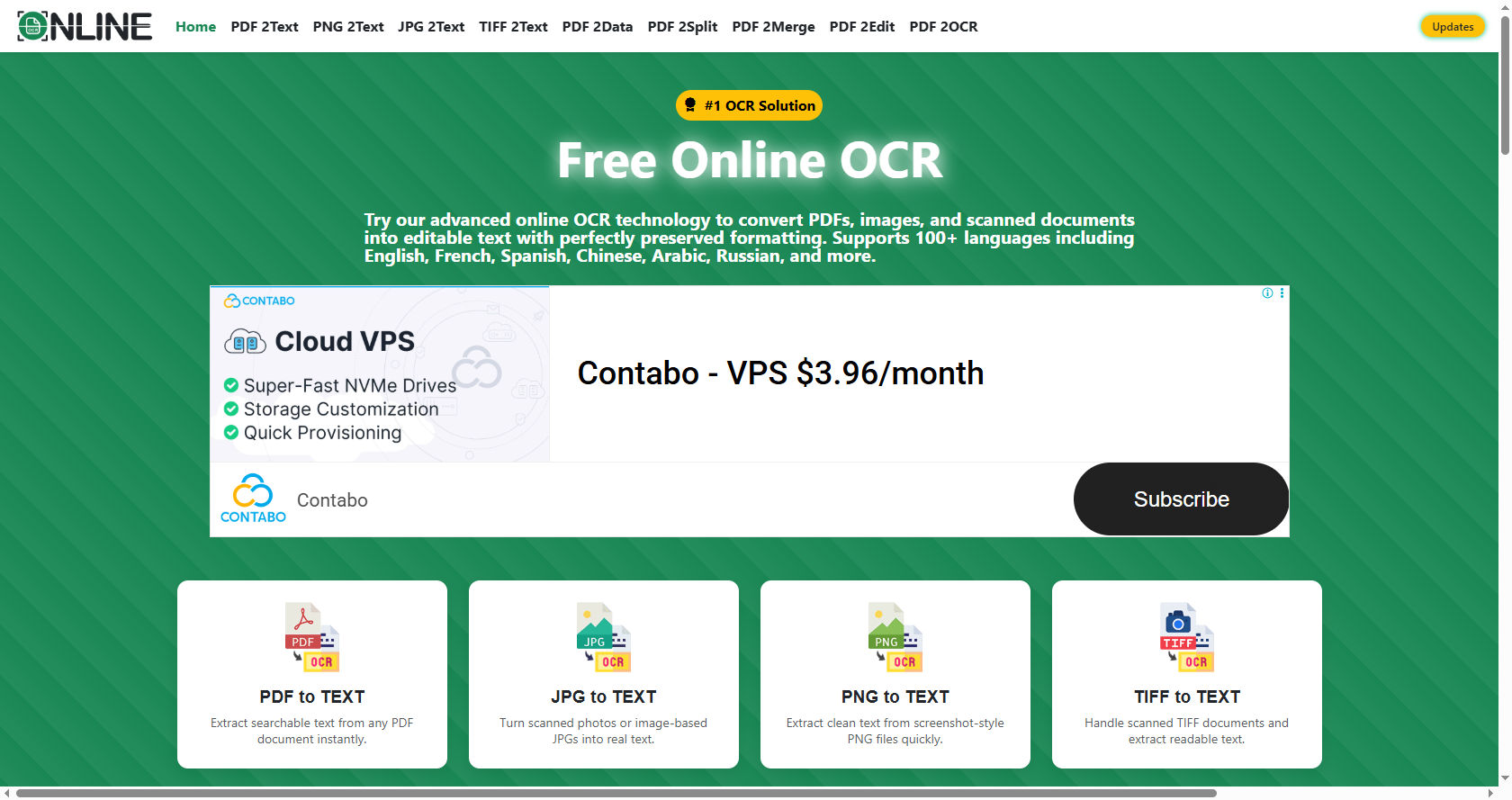
How do I use OCR for scanned files online?

Using online OCR tools has become one of the easiest ways to turn scanned documents into editable text. If you have a PDF, image, or scanned file that you cannot edit, online OCR technology helps you extract text quickly without installing any software.

Many students, office workers, and researchers now rely on online OCR because it saves time and reduces manual typing work.In simple terms, online OCR (Optical Character Recognition) reads the text inside scanned files and converts it into digital text you can copy, edit, or save.This guide explains step-by-step how to use online OCR for scanned files, along with tips, benefits, problems, and real-world uses.


What is OCR and How It Works?

Understanding Optical Character Recognition

OCR stands for Optical Character Recognition. It is a technology used by online OCR systems to detect printed or handwritten text inside images or scanned documents.

How Online OCR Processes Files

When you upload a file, online OCR follows these steps:

  • Scans the image pixel by pixel
  • Detects shapes that look like letters
  • Matches patterns with known characters
  • Converts them into editable text

Role of AI in Online OCR

Modern online OCR uses artificial intelligence to improve accuracy. It can recognize:

  • Different fonts
  • Multiple languages
  • Printed text
  • Sometimes even handwriting

Without online OCR, you would need to manually type everything, which takes much more time.


Why Use Online OCR for Scanned Files?

Saves Time and Effort

One of the biggest benefits of online OCR is speed. Instead of typing pages of text, you can convert documents in seconds.

Easy to Use

Most online OCR platforms are beginner-friendly. You simply upload a file and click convert.

No Installation Required

Since online OCR works in browsers, there is no need to download software.

Supports Multiple Formats

You can use online OCR for:

  • PDF files
  • JPG images
  • PNG screenshots
  • Scanned documents

Free Accessibility

Many online OCR tools offer free versions, making them useful for students and basic users.


Types of Files Supported by Online OCR

Scanned PDFs

These are the most common files processed by online OCR.

Image Files

JPG and PNG files work easily with online OCR systems.

Mobile Screenshots

Screenshots from phones or laptops can also be converted.

Handwritten Notes

Some online OCR tools can recognize handwriting, but accuracy depends on clarity.


Step-by-Step Guide: How to Use Online OCR for Scanned Files

Step 1: Select an Online OCR Tool

Choose a reliable online OCR website that supports your file type.

Step 2: Upload Your File

Click upload or drag-and-drop your scanned document into the tool.

Step 3: Choose Language Settings

Some online OCR tools allow you to select the document language for better accuracy.

Step 4: Start Conversion

Click the convert or recognize button to start the online OCR process.

Step 5: Wait for Processing

The online OCR system will analyze and extract text automatically.

Step 6: Review Extracted Text

Always check the output carefully, as online OCR may make small mistakes.

Step 7: Download or Copy Text

You can now download or copy the text for use in documents or emails.


Best Practices for Better Online OCR Results

Use High-Quality Scans

Clear images improve online OCR accuracy.

Avoid Blurry Text

Blurry documents reduce the performance of online OCR systems.

Keep Pages Straight

Tilted pages may confuse online OCR tools.

Use Clear Fonts

Printed text works better with online OCR than decorative fonts.

Choose Correct Language

Selecting the right language improves online OCR recognition results.


Common Problems in Online OCR and Solutions

Incorrect Text Output

If online OCR produces errors, your scan may be unclear. Try rescanning.

Missing Words

This happens when text is faded. Increase brightness before using online OCR.

File Upload Errors

Check file size limits in your online OCR tool.

Formatting Issues

After conversion, online OCR may require manual formatting adjustments.


Advantages of Online OCR

Improves Productivity

online OCR helps complete tasks faster.

Reduces Manual Work

No need to type long documents manually.

Converts Paper into Digital Files

Old documents can be digitized using online OCR.

Makes Text Searchable

Converted files can be searched easily.

Works Anywhere

Since online OCR is web-based, it can be used anywhere with internet.


Limitations of Online OCR

Handwriting Accuracy Issues

Not all online OCR tools handle handwriting well.

Requires Internet

Most online OCR tools cannot work offline.

File Size Restrictions

Free online OCR tools may limit file uploads.

Formatting Loss

Some layouts may not convert perfectly in online OCR.


Online OCR vs Manual Typing

Speed Comparison

online OCR is much faster than manual typing.

Accuracy Comparison

Manual typing may be more precise for small text, but online OCR is better for large files.

Effort Required

Manual typing requires more effort, while online OCR is automated.

Best Use Case

For large documents, online OCR is clearly more efficient.


Security and Privacy in Online OCR Tools

Data Protection

Always choose trusted online OCR platforms.

Avoid Sensitive Files

Do not upload confidential documents to unknown online OCR sites.

File Deletion Policies

Reliable online OCR tools delete files after processing.

Safe Usage Tips

Check privacy policies before using any online OCR service.


Advanced Uses of Online OCR

Business Applications

Companies use online OCR for invoices and receipts.

Education Use

Students use online OCR for assignments and notes.

Research Work

Researchers use online OCR to digitize old books.

Translation Support

online OCR helps convert scanned foreign text for translation.


Tips to Improve Speed and Accuracy

Reduce File Size

Smaller files process faster in online OCR.

Crop Unnecessary Areas

Remove extra parts before uploading to online OCR.

Use Modern Browsers

Updated browsers improve online OCR performance.

Avoid Multiple Pages in One Image

Split files for better online OCR results.


Future of Online OCR Technology

AI Improvements

Future online OCR tools will become more accurate.

Better Handwriting Recognition

AI will improve handwritten text detection in online OCR.

Real-Time OCR

Cameras may soon perform live online OCR scanning.

Mobile Integration

online OCR will become more common in mobile apps.


Conclusion

Using online OCR for scanned files is one of the simplest and most effective ways to convert printed or image-based documents into editable text. It saves time, reduces effort, and improves productivity for students, professionals, and businesses.

By following the correct steps and using high-quality scans, online OCR can produce highly accurate results. Although it has some limitations, its advantages make it an essential digital tool in today’s world.

As technology continues to improve, online OCR will become even faster, smarter, and more reliable. Learning how to use online OCR today will help you handle digital documents more efficiently in the future.

16, Jun 2026
How Does IPTV Broadcast Content To Multiple Devices?

In today’s digital world, television is no longer limited to a single screen in your living room. Modern viewers expect content on smartphones, tablets, laptops, and smart TVs at the same time.

This is where IPTV comes in, especially modern platforms known as serviços iptv. These services are designed to deliver television content over the internet instead of traditional cable or satellite systems.

In this guide, we will explore exactly how IPTV broadcasts content to multiple devices, what technologies make it possible, and why systems like serviços iptv are becoming the standard for modern entertainment.


Understanding IPTV Technology

IPTV stands for Internet Protocol Television. Instead of using cable wires or satellite signals, IPTV uses the internet to send video content.

Traditional TV works like a broadcast tower sending the same signal to everyone at once. IPTV works differently. It sends content through data packets over the internet, allowing each user to receive personalized streams.

Modern serviços iptv use this system to deliver channels, movies, and live events directly to users in real time.

The key difference is flexibility. IPTV is not limited by physical infrastructure. As long as you have internet, you can access content anywhere.


How IPTV Delivers Content Over the Internet

To understand how IPTV broadcasts to multiple devices, we need to look at how data travels.

Step 1: Content Encoding

TV channels and videos are first converted into digital format. This process is called encoding. It compresses video files so they can travel efficiently over the internet.

In serviços iptv, encoding ensures that content can be streamed in different qualities depending on internet speed.


Step 2: Content Storage and Servers

After encoding, the content is stored on powerful servers. These servers are usually located in data centers around the world.

When a user selects a channel or video, the server sends the requested content instantly.

Modern serviços iptv use cloud servers to handle thousands or even millions of users at once.


Step 3: Content Delivery via IP Networks

The real magic happens here. IPTV uses Internet Protocol (IP) to send video data in small packets.

These packets travel through the internet and are reassembled on the user’s device.

This method allows serviços iptv to broadcast efficiently to many users at the same time without overloading the system.


Step 4: Playback on Devices

Finally, the user’s device receives the data packets and decodes them into video and audio.

This can happen on:

  • Smart TVs
  • Smartphones
  • Tablets
  • Laptops
  • Streaming boxes

Because of this system, serviços iptv can deliver content to multiple devices simultaneously without interference.


How IPTV Broadcasts to Multiple Devices Simultaneously

One of the most important features of IPTV is multi-device streaming. Unlike traditional TV, IPTV does not limit viewing to one screen.

Multicast Streaming

Multicast is a method where one stream is sent to multiple users at the same time.

Instead of sending separate streams to each user, IPTV servers send one stream that multiple devices can access.

This is widely used in serviços iptv for live TV channels and sports events.


Unicast Streaming

Unicast is the opposite approach. Each user gets their own stream.

This is used for on-demand content like movies or series.

In serviços iptv, unicast allows personalized viewing experiences such as pausing, rewinding, or restarting content.


Adaptive Streaming Technology

Modern IPTV platforms use adaptive streaming. This means video quality changes based on internet speed.

If your connection is strong, you get HD or 4K. If it is weak, the system automatically reduces quality to prevent buffering.

This feature is essential for serviços iptv, especially in regions with unstable internet connections.


The Role of IPTV Middleware

Middleware is the software layer that connects users, servers, and content.

It manages:

  • User authentication
  • Channel lists
  • Video requests
  • Device compatibility

Without middleware, IPTV systems would not function smoothly.

In advanced serviços iptv, middleware ensures that multiple devices connected to one account work seamlessly without conflicts.


Device Synchronization in IPTV Systems

One of the most impressive features of IPTV is synchronization across devices.

For example, you can start watching a movie on your TV and continue it on your phone without losing progress.

This is made possible through cloud-based user profiles.

Modern serviços iptv store user data such as watch history, preferences, and playback position.


Network Requirements for IPTV Broadcasting

To stream content smoothly to multiple devices, IPTV requires a stable internet connection.

Recommended Speeds

  • SD quality: 3–5 Mbps
  • HD quality: 10–15 Mbps
  • 4K quality: 25 Mbps or more

For households using serviços iptv, higher bandwidth is recommended when multiple devices are streaming at the same time.


Importance of Low Latency

Latency refers to delay in data transmission.

Lower latency means faster streaming and less buffering.

IPTV providers invest heavily in reducing latency to ensure smooth performance across all devices.


How IPTV Handles Multiple Users in One Household

Modern homes often have several people streaming at the same time.

IPTV systems manage this through:

User Profiles

Each user can have a separate profile with personalized content.

Bandwidth Distribution

The system automatically distributes available internet bandwidth among devices.

Concurrent Streams

Most serviços iptv allow multiple simultaneous streams under one subscription.

This makes IPTV ideal for families.


Content Delivery Networks (CDNs) in IPTV

CDNs are networks of servers placed in different locations around the world.

Their job is to deliver content faster by connecting users to the nearest server.

For example, if a user in Asia watches a channel, the content is delivered from a nearby server instead of one located far away.

This is a key reason why serviços iptv offer smooth playback even for international content.


IPTV Protocols Used for Broadcasting

IPTV relies on several protocols to function:

HTTP Streaming

Used for on-demand content. It is reliable and widely supported.

RTSP (Real-Time Streaming Protocol)

Used for live streaming with low delay.

HLS (HTTP Live Streaming)

Developed by Apple, it is commonly used in modern IPTV systems.

These protocols allow serviços iptv to deliver content efficiently across multiple devices.


Security in IPTV Broadcasting

Security is essential when streaming content online.

IPTV systems use:

  • Encryption
  • Secure login systems
  • Token-based authentication

These measures ensure that only authorized users can access the service.

In professional serviços iptv, content protection is a top priority to prevent piracy and unauthorized access.


Advantages of IPTV Multi-Device Broadcasting

IPTV offers several advantages over traditional TV systems.

Flexibility

Users can watch content anywhere and anytime.

Multi-Device Support

One subscription works across multiple devices.

Personalization

Content recommendations are based on viewing history.

Cost Efficiency

No need for separate cable connections for each TV.

These benefits make serviços iptv extremely popular worldwide.


Challenges in IPTV Broadcasting

Despite its advantages, IPTV also faces some challenges.

Internet Dependency

Without a stable internet connection, streaming quality suffers.

Network Congestion

Heavy traffic can cause buffering during peak hours.

Device Compatibility

Older devices may not support IPTV apps.

Even advanced serviços iptv must continuously improve to solve these issues.


Future of IPTV Technology

The future of IPTV is closely linked with advancements in internet technology.

5G Integration

Faster mobile networks will improve streaming quality on smartphones.

AI Recommendations

Artificial intelligence will suggest more accurate content based on user behavior.

Cloud-Based Platforms

More IPTV systems will move entirely to cloud infrastructure.

Future serviços iptv will likely become more intelligent, faster, and more interactive.


How IPTV Differs from Traditional Cable Broadcasting

Cable TV sends the same signal to all users at once using physical cables.

IPTV sends personalized data over the internet.

This difference allows IPTV to support multiple devices easily.

Traditional systems cannot match the flexibility offered by serviços iptv.


Why IPTV is Ideal for Modern Households

Modern families use multiple devices daily.

IPTV fits perfectly because:

  • Everyone can watch different content simultaneously
  • No need for multiple cable boxes
  • Works on mobile and smart devices

This makes serviços iptv a practical solution for digital entertainment.


Real-World Example of IPTV Broadcasting

Imagine a household with four people:

  • One watching sports on TV
  • One watching a movie on a tablet
  • One streaming music on a phone
  • One watching a series on a laptop

IPTV handles all these streams at once without interruption.

This is the power of serviços iptv in real-world usage.


Technical Summary of IPTV Broadcasting Process

To summarize the process:

  1. Content is encoded
  2. Stored on servers
  3. Delivered via IP networks
  4. Distributed using multicast or unicast
  5. Played on multiple devices

Each step is optimized in modern serviços iptv for performance and scalability.


Importance of Bandwidth Optimization

Efficient bandwidth usage is essential for IPTV systems.

Techniques include:

  • Compression algorithms
  • Adaptive bitrate streaming
  • Load balancing

These technologies ensure that serviços iptv can support large numbers of users simultaneously.


User Experience in IPTV Systems

User experience is a major focus in IPTV design.

Features include:

  • Easy navigation menus
  • Voice search
  • Personalized dashboards
  • Multi-device syncing

All these improvements make serviços iptv more user-friendly than traditional TV systems.


Conclusion

IPTV has completely changed the way we consume television content. Instead of relying on cables or satellites, it uses internet-based technology to deliver flexible, high-quality streaming to multiple devices at the same time.

Through advanced systems like encoding, adaptive streaming, cloud servers, and CDNs, IPTV ensures smooth broadcasting even when many users are connected simultaneously. This is why modern serviços iptv have become such a powerful alternative to traditional television.

From smart TVs to mobile phones, IPTV allows users to enjoy content wherever they are, without limitations. It supports multiple devices, adapts to internet speed, and offers personalized experiences that traditional cable TV cannot match.

As technology continues to evolve with 5G, cloud computing, and artificial intelligence, IPTV will become even more efficient and accessible. The future of entertainment is clearly shifting toward internet-based streaming, and IPTV is leading that transformation.

In simple terms, IPTV broadcasts content to multiple devices by breaking video into data packets, sending them through the internet, and reassembling them on each device in real time. This intelligent system ensures flexibility, speed, and convenience for users worldwide.

15, Jun 2026
How Do Call Center BPO Services Support Customers?

BPO Services have become an essential part of modern business operations. Companies of all sizes use BPO Services to improve efficiency, reduce costs, and focus on their core business activities. As competition grows across industries, organizations are constantly looking for ways to streamline processes while maintaining high levels of customer satisfaction.

When exploring BPO Services, businesses often encounter different outsourcing models, including onshore, offshore, and nearshore solutions. Among these options, onshore outsourcing remains a popular choice for organizations that prioritize communication, quality control, and cultural alignment.

Understanding the difference between onshore and other outsourcing models is critical for making informed business decisions. This guide explains what onshore outsourcing means, how it works, its advantages and disadvantages, and how it compares with other forms of BPO Services.

Understanding BPO Services

Before discussing onshore outsourcing, it is important to understand what BPO Services are.

Business Process Outsourcing refers to the practice of hiring a third-party provider to manage specific business functions. These functions can include customer support, technical support, data entry, payroll processing, accounting, human resources, marketing, and many other operational activities.

Organizations choose BPO Services because they help reduce operational burdens while allowing internal teams to focus on strategic objectives.

Common examples of BPO Services include:

  • Customer service support

  • Call center operations

  • Technical support

  • Data management

  • Human resources administration

  • Finance and accounting services

  • Order processing

  • Digital marketing support

  • IT support services

  • Back-office administration

The outsourcing industry has evolved significantly over the years, offering businesses a variety of service delivery models.

What Are Onshore BPO Services?

Onshore BPO Services refer to outsourcing business operations to a service provider located within the same country as the hiring company.

For example, if a company based in the United States hires another company located in the United States to handle customer support, that arrangement is considered onshore outsourcing.

Unlike offshore outsourcing, where services are provided from another country, onshore outsourcing keeps operations within national borders.

These BPO Services allow companies to gain outsourcing benefits while maintaining closer communication and stronger cultural alignment with service providers.

How Onshore BPO Services Work

The process of implementing onshore BPO Services usually follows several steps.

Business Assessment

Organizations first identify tasks or departments that can be outsourced. These may include customer service, administrative work, or technical support.

Provider Selection

The company evaluates outsourcing providers based on experience, reputation, industry expertise, technology, and pricing.

Service Agreement

Both parties establish a contract outlining responsibilities, performance expectations, service-level agreements, security standards, and pricing structures.

Transition Phase

The outsourcing provider receives training, documentation, and operational guidelines to ensure smooth service delivery.

Ongoing Management

The business monitors performance through reports, key performance indicators, and regular meetings.

This structured process helps ensure that BPO Services deliver measurable business value.

The Main Difference Between Onshore and Other BPO Models

The primary difference between onshore and other BPO Services lies in location.

Onshore Outsourcing

The service provider operates in the same country as the client.

Offshore Outsourcing

The provider is located in a distant foreign country.

Nearshore Outsourcing

The provider is located in a neighboring country or nearby region.

These geographic differences affect communication, costs, regulations, cultural compatibility, and operational management.

Onshore vs Offshore BPO Services

Many businesses compare onshore and offshore BPO Services when evaluating outsourcing options.

Location

Onshore providers operate domestically.

Offshore providers operate internationally.

Communication

Onshore teams typically share the same language, communication style, and business practices.

Offshore teams may face language barriers or communication challenges.

Time Zone Alignment

Onshore BPO Services usually operate in the same time zone.

Offshore providers often work in significantly different time zones.

Cost

Offshore outsourcing generally offers lower labor costs.

Onshore outsourcing often costs more due to domestic wage levels.

Cultural Understanding

Onshore providers understand local customer expectations better.

Offshore teams may require additional training to understand cultural nuances.

Regulatory Compliance

Onshore BPO Services often have a better understanding of national regulations and compliance requirements.

Onshore vs Nearshore BPO Services

Nearshore outsourcing represents a middle ground between onshore and offshore BPO Services.

Geographic Proximity

Nearshore providers operate in nearby countries.

Onshore providers remain within the same country.

Cost Structure

Nearshore options may offer lower costs than onshore providers.

Communication

Nearshore teams often provide better communication than offshore teams but may still encounter some language differences.

Travel Convenience

Both onshore and nearshore arrangements generally allow easier travel and collaboration compared to offshore relationships.

Advantages of Onshore BPO Services

Many companies choose onshore BPO Services because of several significant advantages.

Better Communication

Clear communication is one of the strongest benefits of onshore outsourcing.

Employees and outsourcing teams usually share the same language, reducing misunderstandings and improving service quality.

Cultural Compatibility

Shared cultural norms make interactions smoother.

Customer service representatives can better understand customer expectations, behaviors, and communication preferences.

Easier Collaboration

Teams can collaborate more effectively when they operate in similar business environments.

Meetings, training sessions, and performance reviews become easier to coordinate.

Improved Customer Experience

Many organizations find that onshore BPO Services deliver stronger customer satisfaction because representatives understand local customs and expectations.

Stronger Quality Control

Businesses can monitor operations more closely.

Site visits, audits, and management reviews are generally easier to conduct.

Regulatory Compliance

Domestic providers often possess greater familiarity with local laws, industry regulations, and compliance standards.

Enhanced Security

Organizations handling sensitive information may feel more comfortable keeping operations within national borders.

Disadvantages of Onshore BPO Services

Although onshore BPO Services offer numerous benefits, they also present certain challenges.

Higher Costs

Labor costs are generally higher in domestic markets.

This often makes onshore outsourcing more expensive than offshore alternatives.

Limited Talent Pool

Some regions may have a smaller workforce available for specialized roles.

Scalability Challenges

Rapid expansion can sometimes be more difficult when compared with offshore markets that offer larger labor pools.

Competitive Pricing Pressure

Companies focused primarily on reducing expenses may find offshore options more attractive.

Industries That Commonly Use Onshore BPO Services

Many industries rely heavily on onshore BPO Services.

Healthcare

Healthcare organizations outsource appointment scheduling, billing support, and patient services while maintaining regulatory compliance.

Financial Services

Banks and financial institutions use outsourcing partners for customer support, account management, and administrative functions.

Insurance

Insurance companies often outsource claims processing and customer service operations.

Government Agencies

Government organizations frequently prefer domestic outsourcing due to security and compliance requirements.

Legal Services

Law firms may outsource document management, administrative support, and case preparation tasks.

Retail

Retail businesses use BPO Services for customer support, order management, and technical assistance.

Key Functions Managed Through Onshore BPO Services

Organizations use onshore BPO Services to manage a wide range of functions.

Customer Support

Customer service remains one of the most outsourced business functions.

Technical Support

Many technology companies outsource technical help desks and troubleshooting services.

Data Entry

Administrative data management tasks can be handled efficiently by outsourcing partners.

Human Resources

Recruitment support, payroll processing, and employee administration are common outsourcing functions.

Accounting

Many businesses outsource bookkeeping, invoicing, and financial reporting.

IT Support

Onshore providers frequently manage help desks, infrastructure monitoring, and technology support services.

Factors to Consider Before Choosing Onshore BPO Services

Selecting the right outsourcing model requires careful evaluation.

Budget

Organizations should compare outsourcing costs against expected benefits.

Business Goals

The chosen outsourcing strategy should support long-term business objectives.

Customer Expectations

Companies serving customers who expect localized support may benefit from onshore BPO Services.

Compliance Requirements

Industries with strict regulations often favor domestic outsourcing providers.

Data Security

Organizations handling sensitive information should evaluate security standards carefully.

Scalability Needs

Businesses should consider future growth requirements before selecting a provider.

When Onshore BPO Services Are the Best Choice

Onshore BPO Services may be the best option under specific circumstances.

High Customer Interaction

Businesses that depend heavily on customer relationships often benefit from domestic support teams.

Complex Communication Needs

Projects requiring frequent collaboration and detailed communication can perform better with onshore providers.

Strict Compliance Standards

Industries facing significant regulatory requirements often prefer domestic outsourcing.

Premium Customer Experience

Organizations seeking exceptional customer service frequently choose onshore solutions despite higher costs.

Best Practices for Managing Onshore BPO Services

Successful outsourcing relationships require ongoing management.

Define Clear Objectives

Establish measurable goals before implementation.

Create Strong Service Agreements

Detailed contracts help define expectations and accountability.

Monitor Performance

Track performance using key metrics and regular reporting.

Maintain Open Communication

Frequent communication strengthens partnerships and prevents misunderstandings.

Invest in Training

Continuous training helps maintain quality standards.

Review Results Regularly

Regular evaluations ensure that BPO Services continue delivering value.

Future Trends in Onshore BPO Services

The outsourcing industry continues to evolve.

Increased Automation

Automation technologies are transforming service delivery processes.

Artificial Intelligence Integration

AI tools are improving customer support, data analysis, and workflow management.

Hybrid Outsourcing Models

Many companies combine onshore, nearshore, and offshore resources for greater flexibility.

Enhanced Cybersecurity

Security remains a growing priority for outsourcing providers.

Remote Workforce Expansion

Remote work has expanded the talent pool available for onshore BPO Services.

Greater Focus on Customer Experience

Organizations increasingly prioritize customer satisfaction when selecting outsourcing partners.

How Businesses Can Measure Success

Companies should evaluate the effectiveness of their BPO Services using clear performance indicators.

Important metrics include:

  • Customer satisfaction scores

  • Response times

  • Resolution rates

  • Cost savings

  • Employee productivity

  • Service quality ratings

  • Compliance performance

  • Customer retention rates

Regular monitoring helps organizations maximize outsourcing benefits.

Common Myths About Onshore BPO Services

Several misconceptions exist regarding onshore outsourcing.

Myth 1: Onshore Outsourcing Is Always Too Expensive

While costs may be higher, improved quality and customer satisfaction can offset expenses.

Myth 2: Only Large Companies Use BPO Services

Businesses of all sizes use outsourcing to improve efficiency.

Myth 3: Outsourcing Reduces Quality

Properly managed BPO Services often improve service quality and operational performance.

Myth 4: Onshore Providers Cannot Scale

Many domestic providers have extensive resources and scalable infrastructure.

Conclusion

BPO Services play a vital role in helping businesses improve efficiency, reduce operational burdens, and enhance customer experiences. Among the various outsourcing models available, onshore outsourcing stands out because it keeps service delivery within the same country as the hiring organization.

The biggest difference between onshore and other BPO Services models is location. This geographic distinction influences communication quality, cultural alignment, compliance management, customer satisfaction, and operational control. While onshore outsourcing generally involves higher costs than offshore alternatives, many organizations find that the benefits outweigh the additional expense.

Onshore BPO Services are particularly valuable for businesses that prioritize strong communication, regulatory compliance, data security, and exceptional customer experiences. Industries such as healthcare, finance, insurance, legal services, government, and retail often choose domestic providers to meet these requirements.

Ultimately, the best outsourcing model depends on a company’s goals, budget, customer expectations, and operational priorities. By carefully evaluating these factors, organizations can select the right BPO Services strategy and build long-term partnerships that support sustainable growth and success.