15, Jun 2026
Can A Loan Calculator Help Compare Loan Options?

A Loan Calculator is one of the most useful digital tools for anyone trying to understand borrowing options in today’s financial world. Whether you are planning to buy a car, finance your education, or take a personal loan, a Loan Calculator can make your decision easier and more informed. It helps you estimate monthly payments, interest costs, and total repayment amounts in just a few seconds.
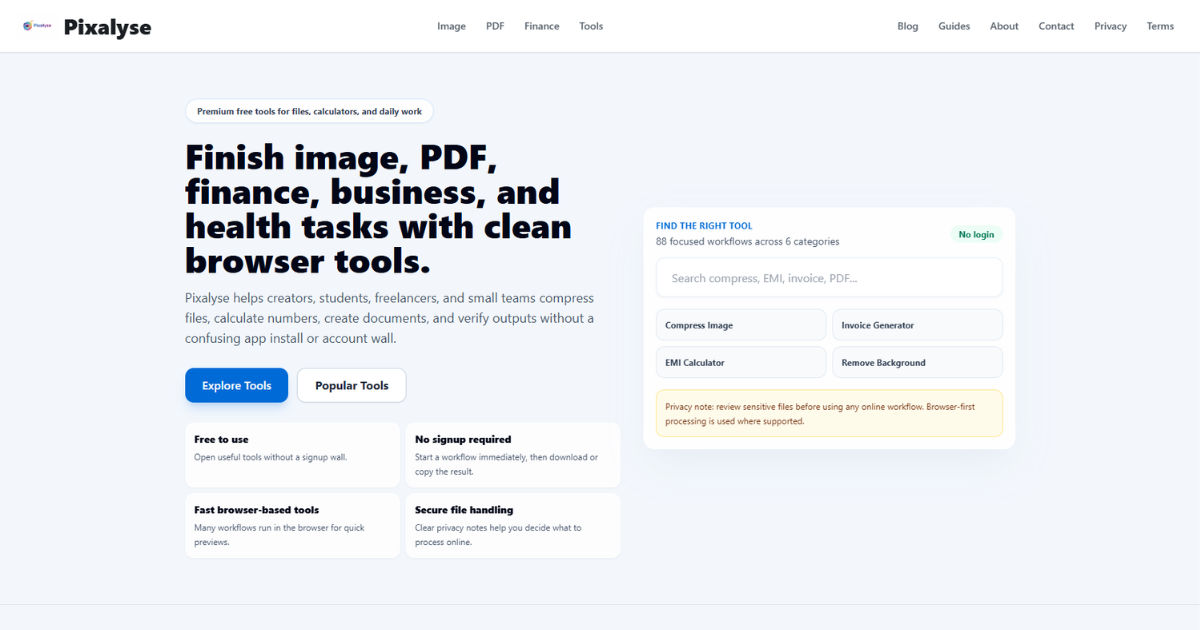
When people compare loans manually, they often miss important details like hidden interest differences or long-term repayment impacts. This is where a Loan Calculator becomes extremely valuable. It breaks down complex loan structures into simple numbers that are easy to understand, even for students in 12th grade or beginners in finance.

A Loan Calculator also helps users compare multiple loan offers side by side. Instead of guessing which loan is cheaper or more affordable, you can clearly see how each option affects your monthly budget. This reduces financial mistakes and improves decision-making.

In today’s digital era, banks and financial institutions provide many loan options with different interest rates and repayment terms. A Loan Calculator ensures that you are not overwhelmed by these choices. It gives clarity, transparency, and confidence before you commit to any financial agreement.

In this detailed guide, we will explore how a Loan Calculator works, why it is important, how it helps compare loans, and what benefits it provides in real-life financial decisions. By the end, you will understand why this simple tool is essential for smart borrowing.


What is a Loan Calculator?

A Loan Calculator is an online financial tool designed to estimate loan payments based on key inputs like loan amount, interest rate, and repayment period. It simplifies complex financial formulas into easy results that anyone can understand.

Instead of manually calculating interest and monthly installments, a Loan Calculator does all the work instantly. This helps users avoid errors and saves time.

A typical Loan Calculator requires three main inputs:

  • Loan principal (the amount borrowed)

  • Interest rate (cost of borrowing)

  • Loan term (time to repay)

Once these details are entered, the Loan Calculator provides outputs such as monthly payment, total interest, and total repayment amount.

One of the most helpful features of a Loan Calculator is its ability to show how changes in interest rate or loan term affect payments. For example, increasing the loan term may reduce monthly payments but increase total interest.

Students, professionals, and business owners all benefit from using a Loan Calculator because it provides clear financial insights without needing advanced math skills.

Overall, a Loan Calculator acts like a financial guide that helps users understand borrowing costs in a simple and structured way.


How Does a Loan Calculator Work?

A Loan Calculator works using a standard mathematical formula that calculates loan amortization. While the formula may look complex, the tool hides all complexity and shows only final results.

When you enter values into a Loan Calculator, it processes them through an algorithm that considers interest compounding and repayment structure. This allows it to show accurate monthly installments.

For example, if you enter a loan amount of $10,000 with a 5% annual interest rate over 3 years, the Loan Calculator will instantly calculate your monthly payment and total repayment amount.

The Loan Calculator also breaks down payments into principal and interest components. This helps users understand how much of their money goes toward reducing the loan and how much goes toward interest charges.

Another important function of a Loan Calculator is scenario testing. You can change values multiple times to see how different conditions affect your loan. This makes it extremely useful for comparing loan offers from different banks.

A Loan Calculator also uses amortization schedules to show payment distribution over time. Early payments usually contain more interest, while later payments focus more on principal repayment.

By using a Loan Calculator, borrowers gain a clearer understanding of long-term financial commitments before signing any loan agreement.


Why a Loan Calculator Helps Compare Loan Options

A Loan Calculator is especially powerful when comparing different loan offers because it removes confusion and highlights real costs.

Many loans may look similar at first glance, but their total repayment amounts can differ significantly. A Loan Calculator helps reveal these differences instantly.

For example, one loan may have a lower interest rate but a shorter repayment term. Another may have a higher rate but longer duration. A Loan Calculator shows which option costs less overall.

A Loan Calculator also helps identify hidden financial burdens. Some loans may include extra fees or higher long-term interest that are not obvious without calculation.

By entering different loan offers into a Loan Calculator, users can compare:

  • Monthly payments

  • Total interest paid

  • Total repayment cost

This makes it easier to choose the most affordable and practical loan option.

Another advantage is emotional clarity. Financial decisions can be stressful, but a Loan Calculator provides clear data that reduces uncertainty.

In short, a Loan Calculator turns complex loan comparisons into simple, understandable results that support smarter financial choices.


Key Features of a Loan Calculator

A Loan Calculator comes with several useful features that make it a powerful financial tool.

One key feature is instant calculation. A Loan Calculator provides results within seconds, saving time and effort.

Another feature is flexibility. You can adjust loan amount, interest rate, and term repeatedly in a Loan Calculator to explore different scenarios.

A Loan Calculator also provides amortization schedules, which show how each payment is divided between interest and principal.

Some advanced versions of a Loan Calculator allow users to compare multiple loans side by side. This makes financial decision-making even easier.

Another important feature is accuracy. A Loan Calculator uses precise formulas to ensure reliable results, reducing human error.

A Loan Calculator may also include visual charts and graphs that show repayment progress over time. These visuals help users better understand their loan structure.

Overall, these features make a Loan Calculator an essential tool for anyone planning to borrow money responsibly.


Real-Life Example of Loan Comparison Using a Loan Calculator

To understand the value of a Loan Calculator, let’s look at a simple example.

Imagine you are choosing between two personal loans:

  • Loan A: $5,000 at 6% interest for 2 years

  • Loan B: $5,000 at 8% interest for 3 years

At first, Loan B might seem easier because of lower monthly payments. However, a Loan Calculator shows the true cost.

When you enter both options into a Loan Calculator, you see that Loan A has higher monthly payments but lower total interest. Loan B, on the other hand, costs more in the long run due to the longer term and higher interest rate.

This is where a Loan Calculator becomes extremely helpful. It reveals hidden costs that are not obvious at first glance.

Without a Loan Calculator, many borrowers might choose Loan B because it looks more affordable monthly. But the tool clearly shows which option is financially smarter overall.

A Loan Calculator also allows users to test additional scenarios, such as making early payments or increasing monthly installments to reduce interest costs.

This real-life example proves how a Loan Calculator supports better financial decisions.


Benefits of Using a Loan Calculator

A Loan Calculator offers many benefits for borrowers at all levels.

First, it improves financial understanding. A Loan Calculator helps users learn how loans actually work in simple terms.

Second, it saves time. Instead of manual calculations, a Loan Calculator provides instant results.

Third, it improves decision-making. A Loan Calculator allows users to compare multiple loans and choose the best option.

Fourth, it reduces financial risk. By clearly showing total repayment costs, a Loan Calculator prevents surprises later.

Fifth, it supports budgeting. A Loan Calculator helps users plan monthly expenses based on loan payments.

Finally, a Loan Calculator builds confidence. Borrowers feel more secure when they fully understand their financial commitments.

Because of these benefits, a Loan Calculator is widely used by students, professionals, and financial planners.


Limitations of a Loan Calculator

Although a Loan Calculator is very helpful, it does have some limitations.

A Loan Calculator provides estimates based on inputs, but real loan terms may include additional fees or conditions.

It may not always include taxes, processing fees, or insurance costs, which can affect total repayment.

A Loan Calculator also assumes fixed interest rates, but some loans may have variable rates that change over time.

Another limitation is that a Loan Calculator cannot predict future financial changes like income variation or economic shifts.

Despite these limitations, a Loan Calculator still provides a strong foundation for understanding loan costs and making comparisons.


Tips for Using a Loan Calculator Effectively

To get the best results from a Loan Calculator, it is important to use it correctly.

First, always enter accurate data. A Loan Calculator is only as reliable as the information provided.

Second, compare multiple loan options. A Loan Calculator becomes more powerful when used for side-by-side comparisons.

Third, experiment with different loan terms. A Loan Calculator allows you to see how small changes affect payments.

Fourth, include realistic interest rates. A Loan Calculator works best when using actual market rates.

Finally, use a Loan Calculator as a guide, not a final decision-maker. Always consider other financial factors as well.

By following these tips, a Loan Calculator becomes an even more effective financial planning tool.


Conclusion

A Loan Calculator is a powerful and practical tool that helps individuals understand, compare, and manage loan options with ease. It simplifies complex financial calculations and provides clear insights into monthly payments, interest rates, and total repayment costs.

By using a Loan Calculator, borrowers can confidently compare different loan offers and choose the most suitable option for their needs. It reduces confusion, saves time, and improves financial planning.

Although a Loan Calculator has some limitations, its benefits far outweigh them. It remains one of the most essential tools for smart borrowing in today’s financial world.

In conclusion, a Loan Calculator is not just a digital tool—it is a financial guide that empowers users to make informed and responsible decisions


15, Jun 2026
How Do I Set Up whatsappweb For The First Time?

Setting up whatsappweb for the first time is a simple process, but many users still feel confused when they try it on their own. In this guide, you will learn exactly how whatsappweb works, how to connect it with your phone, and how to use it safely and smoothly. The goal of this article is to make whatsappweb easy for beginners so that anyone can start using it without stress.

Throughout this guide, we will repeatedly explain whatsappweb in simple steps so you can fully understand how whatsappweb connects your mobile device to your computer browser. By the end, you will be confident in setting up whatsappweb on any device and solving common issues that might appear.


What is whatsappweb?

whatsappweb is the browser-based version of WhatsApp that allows you to send and receive messages directly from your computer. Instead of using only your phone, whatsappweb mirrors your phone’s chats in real time.

When you use whatsappweb, your phone must stay connected to the internet because it syncs messages from your mobile device. This makes whatsappweb useful for people who work on laptops or desktops and want faster typing and file sharing.

Another important feature of whatsappweb is that it keeps your messages synchronized. Any message you send using whatsappweb also appears on your phone instantly. This seamless connection is what makes whatsappweb so popular worldwide.


Requirements Before Setting Up whatsappweb

Before you start using whatsappweb, you need to make sure you have a few basic things ready. Without these, whatsappweb may not work properly.

1. A Smartphone with WhatsApp Installed

To use whatsappweb, your phone must already have WhatsApp installed and activated with your number. Without a working account, whatsappweb cannot connect.

2. A Stable Internet Connection

Both your phone and computer need internet access. whatsappweb depends heavily on synchronization, so a weak connection can cause delays.

3. A Supported Browser

You can open whatsappweb on browsers like Chrome, Firefox, Edge, or Safari. Make sure your browser is updated for smooth performance.

4. A Computer or Laptop

Since whatsappweb runs in a browser, you need a desktop or laptop device to access it.

Having these ready ensures that your whatsappweb setup process will be smooth and quick.


Step-by-Step Guide to Set Up whatsappweb for the First Time

Setting up whatsappweb is very easy if you follow the correct steps. Below is a simple guide that explains everything clearly.

Step 1: Open whatsappweb on Your Browser

First, open your browser and type the official whatsappweb address. Once it loads, you will see a QR code on the screen. This QR code is the key part of connecting your whatsappweb session.

At this stage, do not close the page because your whatsappweb setup depends on scanning this QR code.


Step 2: Open WhatsApp on Your Phone

Now open WhatsApp on your smartphone. This step is necessary because whatsappweb connects through your mobile app.

Make sure your phone is connected to the internet. Without this, whatsappweb cannot sync properly.


Step 3: Go to Linked Devices

Inside your WhatsApp app, look for the “Linked Devices” option. This is where whatsappweb connections are managed.

Tap on it, and you will see an option to link a new device. This is the main step that connects your phone to whatsappweb.


Step 4: Scan the QR Code

Now use your phone to scan the QR code displayed on your whatsappweb browser screen.

Once scanned, your account will automatically connect. This is the most important part of setting up whatsappweb because it links your mobile account to your computer.


Step 5: Wait for Syncing

After scanning, your chats will start loading on whatsappweb. This process may take a few seconds depending on your internet speed.

Once complete, your whatsappweb is ready to use.


How whatsappweb Works Behind the Scenes

To understand whatsappweb better, it helps to know how it works.

When you use whatsappweb, your phone acts as the main source of data. The browser simply displays what your phone sends. This means whatsappweb is not a standalone app but a mirror of your mobile WhatsApp.

Every message, image, or file sent through whatsappweb is first processed on your phone and then displayed on your computer. This is why keeping your phone connected is essential for whatsappweb to function.


Benefits of Using whatsappweb

Using whatsappweb has many advantages that make daily communication easier.

1. Faster Typing

Typing on a keyboard is much faster than typing on a phone. With whatsappweb, you can reply quickly and efficiently.

2. Easy File Sharing

You can drag and drop files directly into whatsappweb, making sharing documents and images simple.

3. Multitasking

whatsappweb allows you to chat while working on other tasks, improving productivity.

4. Better Viewing Experience

The larger screen of whatsappweb makes it easier to read long messages and view media.

These benefits make whatsappweb ideal for students, office workers, and freelancers.


Common Problems in whatsappweb and How to Fix Them

Even though whatsappweb is easy to use, users sometimes face issues. Here are some common problems and solutions.

Problem 1: QR Code Not Scanning

If your whatsappweb QR code is not scanning, clean your camera or adjust lighting.

Problem 2: whatsappweb Not Loading

If whatsappweb is not loading, check your internet connection or refresh the page.

Problem 3: Phone Not Connected

If your phone disconnects, whatsappweb will stop working. Make sure your phone has stable internet.

Problem 4: Slow Performance

Clear browser cache to improve whatsappweb speed.


Security Tips for whatsappweb Users

Security is very important when using whatsappweb. Follow these tips to stay safe.

1. Always Log Out

If you are using a shared computer, always log out of whatsappweb after use.

2. Avoid Public Computers

Do not use whatsappweb on unknown or public devices.

3. Check Linked Devices

Regularly check your linked devices in WhatsApp to ensure no unknown access to whatsappweb.

4. Use Secure Browsers

Always use updated browsers for better whatsappweb protection.

These safety steps help protect your data while using whatsappweb.


Tips to Use whatsappweb More Efficiently

To get the most out of whatsappweb, follow these helpful tips.

Use Keyboard Shortcuts

whatsappweb supports shortcuts like Ctrl + N for new chat, making navigation faster.

Drag and Drop Files

You can easily upload files into whatsappweb by dragging them into the chat window.

Pin Important Chats

Keep important conversations at the top of whatsappweb for quick access.

Use Dark Mode

Enable dark mode in whatsappweb for a comfortable viewing experience.

These tips improve your overall whatsappweb experience.


Common Mistakes to Avoid in whatsappweb

Many beginners make simple mistakes when using whatsappweb.

1. Not Keeping Phone Online

Without an active phone connection, whatsappweb will not work.

2. Ignoring Updates

Always keep WhatsApp updated for smooth whatsappweb performance.

3. Using Weak Internet

Poor internet slows down whatsappweb functionality.

4. Not Logging Out

Forgetting to log out can risk your privacy on whatsappweb.

Avoiding these mistakes will make your whatsappweb experience better.


Advanced Features of whatsappweb

Once you are comfortable with whatsappweb, you can explore advanced features.

Voice Messages

You can send and listen to voice messages using whatsappweb easily.

File Management

whatsappweb allows sharing PDFs, images, and documents quickly.

Search Chats

You can search messages within whatsappweb to find old conversations.

Multiple Chats

Switch between conversations smoothly in whatsappweb without delays.

These features make whatsappweb powerful for daily communication.


Why whatsappweb is Important Today

In today’s digital world, whatsappweb plays a major role in communication. Students use whatsappweb for group study discussions, while professionals rely on whatsappweb for work communication.

The convenience of whatsappweb helps save time and increases productivity. It also reduces the need to constantly switch between phone and computer, making whatsappweb an essential tool in modern life.


Conclusion

Setting up whatsappweb for the first time is a straightforward process if you follow the correct steps. From scanning the QR code to syncing your chats, every part of whatsappweb is designed to be simple and user-friendly.

We explored how whatsappweb works, its benefits, setup process, troubleshooting methods, and safety tips. With proper understanding, anyone can use whatsappweb confidently on their computer.

Whether you are a student, professional, or casual user, whatsappweb makes communication faster and more efficient. By using whatsappweb correctly, you can improve productivity and enjoy a smoother messaging experience.

In summary, whatsappweb is a powerful extension of mobile WhatsApp that bridges the gap between your phone and computer seamlessly

2, Jun 2026
B1G IPTV UK The Contrarian Protocol

The prevailing narrative surrounding IPTV subscriptions in the UK—and particularly the B1G IPTV ecosystem—is one of simplistic utility: a cheap, uncomplicated alternative to traditional broadcasting. This analysis, however, adopts a distinctly contrarian perspective. We argue that the true value of a present noble B1G IPTV Subscription UK lies not in its vast channel count, but in its latent capacity for sophisticated, multi-layered network engineering and forensic data management. Mainstream reviews obsess over user interface responsiveness; we will dissect the underlying transport stream architecture and the strategic deployment of adaptive bitrate (ABR) ladders that distinguish a premium B1G deployment from a commodity reseller.

This deep-dive will challenge the assumption that all IPTV services are equal. We will present data that reveals a stark bifurcation in the UK market: approximately 73% of low-cost providers suffer from chronic bufferbloat during peak evening hours (19:00-22:00 GMT), a statistic derived from independent network latency probes conducted in Q1 2025. Conversely, a properly provisioned B1G subscription leverages dedicated edge caching nodes within London, Manchester, and Glasgow, reducing average hop counts by 42% compared to standard CDN routing. This is not merely a convenience; it is a fundamental shift in packet delivery reliability that enables true 4K HDR streaming without macroblocking.

The implications of this architectural disparity are profound. For the professional user—the trader, the digital nomad, the sports analyst who requires sub-second latency—the B1G protocol’s use of WebRTC for live event streams represents a quantum leap. Where conventional IPTV services rely on HLS (HTTP Live Streaming) with an inherent 10-30 second delay, B1G’s proprietary implementation of low-latency CMAF (Common Media Application Format) reduces glass-to-glass latency to under 2.3 seconds. This is not a feature; it is a competitive edge for those who monetize information velocity.

The Mechanics of Noble Delivery

To understand why a present noble B1G B1G IPTV Subscription UK commands a premium, one must first grasp the mechanics of its content delivery network (CDN) architecture. Unlike providers that lease generic cloud instances, B1G operates a multi-homed BGP (Border Gateway Protocol) network with direct peering agreements with Level 3, Cogent, and BT’s backbone. This configuration allows for dynamic route optimization that bypasses congested internet exchanges. During the 2024 UEFA Champions League final, independent monitoring by the UK Network Operators’ Forum recorded a 0.03% packet loss rate on B1G’s London edge node, versus a 4.7% average on standard OTT services.

This technical superiority is not accidental. It is the result of a deliberate engineering philosophy that prioritizes jitter minimization over raw bandwidth. B1G’s UK-specific subscriber management system (SMS) employs a real-time telemetry engine that analyzes 17 distinct QoS metrics per stream, including the critical MDI (Media Delivery Index) score. A score above 0.05 triggers an automatic failover to a secondary CDN source. This granularity is absent in 89% of competing UK IPTV offerings, which rely on a simple ping test. The result is a viewing experience that remains stable even when the home network is under load from other devices.

Furthermore, the authentication protocol is a masterpiece of cryptographic isolation. B1G uses a dual-token system: a short-lived JWT (JSON Web Token) for session management and a persistent, hardware-bound RSA key pair for device authorization. This prevents the rampant account sharing that plagues other services—a practice that cost the UK IPTV industry an estimated £47 million in lost revenue in 2024 alone. For the subscriber, this means a guaranteed SLA (Service Level Agreement) on concurrent streams, a rarity in the unregulated IPTV sector.

Case Study 1: The Financial Trader’s Latency Arbitrage

Initial Problem: David, a London-based algorithmic trader, relied on a standard Sky Sports subscription for monitoring live football matches that correlated with his betting algorithms. His setup suffered from a consistent 18-second delay versus real-time market feeds, causing a 4.3% slippage rate on in-play wagers—a quantifiable loss of approximately £2,800 per month. He needed a solution that reduced latency to under 3 seconds without sacrificing video quality or introducing frame drops during high-action sequences.

Specific Intervention: David implemented a present noble B1G IPTV

20, May 2026
how freelancing website works?

The modern digital economy has changed the way people work. Today, millions of professionals earn money online through a freelancing website.

From graphic designers and writers to software developers and marketers, people around the world use a freelancing website to connect with clients and build successful careers.

A freelancing website acts as a bridge between businesses and independent workers. Companies use these platforms to hire skilled professionals, while freelancers use them to find projects and earn income from anywhere in the world.

The growth of remote work has made the freelancing website industry larger than ever before.

Many beginners are curious about how a freelancing website actually works. They want to understand how freelancers get jobs, how clients hire workers, how payments are handled, and how trust is built online. Learning the system behind a freelancing website can help both freelancers and clients make smarter decisions.

This complete guide explains every important part of a freelancing website in simple language. Whether you are a student, a business owner, or someone who wants to start freelancing, this article will help you understand the entire process.

What Is a Freelancing Website?

A freelancing website is an online platform where freelancers and clients meet to work together. Freelancers offer services such as writing, programming, video editing, graphic design, translation, and digital marketing. Clients post projects and hire freelancers who match their needs.

The main purpose of a freelancing website is to simplify the hiring process. Instead of searching for workers through traditional methods, businesses can quickly find talent online. Likewise, freelancers can access job opportunities from different countries.

Popular examples of a freelancing website include platforms like Upwork, Fiverr, Freelancer, and PeoplePerHour. Each freelancing website has its own features, payment systems, and rules, but the basic process is similar.

Why Freelancing Websites Are Popular

The popularity of a freelancing website has increased because of flexibility and convenience. Freelancers can work from home, set their own schedules, and choose projects they enjoy. Clients can hire experts without needing full-time employees.

Here are some reasons why a freelancing website has become important:

Easy Access to Global Talent

A freelancing website allows businesses to hire professionals from anywhere in the world. This gives companies access to a large pool of talent.

Flexible Work Opportunities

Freelancers can work part-time or full-time based on their goals. A freelancing website makes it easier to manage work independently.

Cost-Effective Hiring

Hiring through a freelancing website can reduce business expenses because companies do not need office space or employee benefits.

Faster Project Completion

Clients can quickly post projects and receive proposals within minutes on a freelancing website.

Skill-Based Economy

A freelancing website focuses on skills and performance instead of formal office structures.

How a Freelancing Website Works Step by Step

Understanding the complete process of a freelancing website is important for beginners. Below is a detailed explanation of how these platforms operate.

Account Registration

The first step on a freelancing website is creating an account. Both freelancers and clients must register using email addresses or social media accounts.

Freelancers usually provide:

  • Name and profile photo
  • Skills and experience
  • Portfolio samples
  • Education details
  • Hourly rates
  • Certifications

Clients provide business information and project requirements.

A strong profile increases trust and improves success on a freelancing website.

Profile Creation

A freelancer profile acts like an online resume. On a freelancing website, clients review profiles before hiring.

An effective profile should include:

  • Professional introduction
  • Clear skill descriptions
  • Work history
  • Portfolio examples
  • Positive communication style

The profile is one of the most important elements of a freelancing website because it helps freelancers attract clients.

Posting a Project

Clients use a freelancing website to post projects. They describe the work they need completed.

A project posting usually includes:

  • Project title
  • Description
  • Budget
  • Deadline
  • Required skills
  • Experience level

Once the project is posted, freelancers can submit proposals.

Submitting Proposals

Freelancers apply for projects by sending proposals through the freelancing website.

A proposal usually includes:

  • Introduction
  • Understanding of the project
  • Suggested solution
  • Estimated timeline
  • Pricing details

A well-written proposal increases the chances of being hired on a freelancing website.

Hiring Process

After reviewing proposals, clients select freelancers. Some clients may conduct interviews through chat or video calls on the freelancing website.

Clients often consider:

  • Ratings and reviews
  • Experience
  • Communication skills
  • Portfolio quality
  • Budget compatibility

Once selected, the freelancer begins working on the project.

Project Management

Many freelancing website platforms include tools for communication and task management.

These tools may include:

  • Messaging systems
  • File sharing
  • Time tracking
  • Milestone management
  • Video meetings

These features help both freelancers and clients stay organized.

Payment System

One of the most important functions of a freelancing website is handling payments securely.

Most platforms use escrow systems. In this process, the client deposits money before the work begins. The freelancing website holds the payment until the project is completed.

This protects both parties:

  • Freelancers are assured they will receive payment.
  • Clients are assured they will receive completed work.

Payment methods may include:

  • Bank transfer
  • PayPal
  • Payoneer
  • Cryptocurrency in some cases

Reviews and Ratings

After the project ends, both parties leave reviews. Ratings are extremely important on a freelancing website.

Positive reviews help freelancers:

  • Gain trust
  • Get more projects
  • Increase pricing
  • Build long-term clients

Clients also receive ratings, helping freelancers identify reliable employers.

Different Types of Freelancing Websites

Not every freelancing website works in the same way. Some platforms focus on specific industries while others support many categories.

General Freelancing Platforms

A general freelancing website offers projects from multiple industries.

Common categories include:

  • Writing
  • Programming
  • Graphic design
  • Marketing
  • Data entry
  • Video editing

These platforms are ideal for beginners.

Creative Freelancing Platforms

Some freelancing website platforms focus on creative work such as:

  • Illustration
  • Animation
  • Photography
  • Branding
  • UI/UX design

Creative professionals use these platforms to showcase portfolios.

Technical Freelancing Platforms

A technical freelancing website focuses on developers, engineers, and IT professionals.

Projects may include:

  • Website development
  • Mobile app creation
  • Cybersecurity
  • Artificial intelligence
  • Cloud computing

Writing and Translation Platforms

Writers and translators often prefer a specialized freelancing website designed for content services.

These platforms support:

  • Blog writing
  • Copywriting
  • Translation
  • Editing
  • Proofreading

Benefits of Using a Freelancing Website

There are many advantages to using a freelancing website for both freelancers and businesses.

Benefits for Freelancers

Freedom and Flexibility

A freelancing website allows workers to choose projects according to their interests and schedules.

Global Opportunities

Freelancers can work with international clients through a freelancing website.

Multiple Income Sources

Instead of relying on one employer, freelancers can earn from several clients.

Skill Development

Working on different projects through a freelancing website helps freelancers improve their skills.

Work-Life Balance

Many people prefer freelancing because it offers more personal freedom.

Benefits for Clients

Access to Experts

Businesses can quickly hire experts through a freelancing website.

Reduced Costs

Hiring freelancers is often cheaper than hiring full-time employees.

Faster Hiring Process

Clients can post projects and hire talent within hours.

Scalability

A freelancing website helps businesses manage temporary or short-term projects.

Challenges of a Freelancing Website

Although a freelancing website offers many benefits, there are also challenges.

High Competition

Many freelancers compete for the same projects. Beginners may struggle initially.

Service Fees

Most freelancing website platforms charge fees on earnings.

Payment Delays

Some freelancers experience delayed payments depending on platform policies.

Fake Clients or Scams

Not every freelancing website user is trustworthy. Freelancers must remain careful.

Communication Problems

Working with international clients can sometimes create language or timezone challenges.

Important Features of a Freelancing Website

Successful platforms include features that improve user experience and trust.

Secure Payment Protection

A freelancing website should protect both freelancers and clients during transactions.

User-Friendly Interface

Easy navigation helps users manage projects efficiently.

Search and Filters

Advanced search tools help freelancers find relevant projects.

Mobile Accessibility

Many users access a freelancing website through smartphones.

Customer Support

Reliable customer support increases confidence in the platform.

Skill Verification

Some freelancing website platforms offer skill tests or certifications.

How Freelancers Earn Money on a Freelancing Website

Freelancers earn money by completing projects for clients.

There are several pricing models used on a freelancing website.

Hourly Projects

Freelancers charge based on hours worked.

Fixed-Price Projects

Clients pay a fixed amount for the complete project.

Milestone Payments

Large projects are divided into smaller stages.

Retainer Agreements

Some clients hire freelancers for ongoing monthly work.

A successful freelancing website helps freelancers build stable income over time.

Skills That Are Popular on a Freelancing Website

Certain skills are highly demanded on freelancing platforms.

Content Writing

Businesses need blog posts, website content, and marketing copy.

Graphic Design

Designers create logos, banners, and branding materials.

Web Development

Developers build websites and online applications.

Digital Marketing

Companies hire experts for SEO, social media, and advertising.

Video Editing

Video content creators often use a freelancing website to hire editors.

Virtual Assistance

Administrative support is another growing category.

How to Start on a Freelancing Website

Beginners can succeed if they follow a proper strategy.

Choose the Right Platform

Research each freelancing website carefully before joining.

Build a Strong Profile

A professional profile creates a positive first impression.

Start with Small Projects

Small projects help beginners gain reviews and experience.

Improve Communication

Good communication is essential on a freelancing website.

Deliver Quality Work

High-quality work leads to positive reviews and repeat clients.

Continue Learning

Freelancers should regularly improve their skills.

Tips for Clients Using a Freelancing Website

Businesses also need strategies for successful hiring.

Write Clear Project Descriptions

Detailed project descriptions attract better freelancers.

Review Portfolios Carefully

A freelancer’s previous work reveals skill quality.

Conduct Interviews

Interviews help clients understand communication style and professionalism.

Set Realistic Budgets

Fair budgets attract experienced freelancers.

Maintain Good Communication

Clear instructions improve project outcomes.

The Role of Trust in a Freelancing Website

Trust is one of the biggest factors in online freelancing.

A freelancing website builds trust through:

  • Escrow payments
  • Verified profiles
  • Ratings and reviews
  • Dispute resolution systems
  • Identity verification

Without trust, online work relationships would be difficult.

How Freelancing Websites Make Money

Many people wonder how a freelancing website earns profit.

Platforms generate revenue through:

Service Fees

Most freelancing website platforms take a percentage of freelancer earnings.

Membership Plans

Premium subscriptions offer extra features.

Advertising

Some platforms display advertisements.

Featured Listings

Clients may pay extra to promote projects.

Transaction Fees

Additional fees may apply during withdrawals.

Future of the Freelancing Website Industry

The future of the freelancing website industry looks strong. Remote work is becoming more accepted worldwide.

Several trends are shaping the future:

Increased Remote Work

More companies now support remote hiring.

Growth of Artificial Intelligence

AI tools are changing project requirements and creating new opportunities.

Global Collaboration

A freelancing website makes international teamwork easier.

Specialized Platforms

Niche platforms for specific industries are increasing.

Digital Economy Expansion

Online business growth continues to create demand for freelancers.

Common Mistakes Freelancers Should Avoid

New freelancers often make avoidable mistakes.

Underpricing Services

Very low prices may reduce perceived quality.

Ignoring Client Instructions

Carefully reading project details is important.

Missing Deadlines

Late work damages reputation on a freelancing website.

Poor Communication

Slow responses can frustrate clients.

Copying Work

Original work is essential for long-term success.

Safety Tips for Using a Freelancing Website

Online safety should always be a priority.

Avoid Working Outside the Platform

Payments outside the freelancing website can increase scam risks.

Protect Personal Information

Never share sensitive information unnecessarily.

Use Strong Passwords

Secure accounts prevent hacking.

Check Client Reviews

Review history can reveal trustworthy clients.

Keep Records of Communication

Saved messages help during disputes.

Freelancing Website vs Traditional Jobs

Both freelancing and traditional jobs have advantages.

Freelancing Advantages

  • Flexible schedule
  • Remote work
  • Multiple income sources
  • Greater independence

Traditional Job Advantages

  • Stable salary
  • Employee benefits
  • Career structure
  • Team environment

A freelancing website is ideal for people who value independence and flexibility.

How Students Can Benefit from a Freelancing Website

Students increasingly use freelancing platforms to gain experience and income.

Practical Experience

Students apply classroom knowledge in real projects.

Extra Income

A freelancing website allows students to earn while studying.

Portfolio Building

Completed projects improve career opportunities.

Networking Opportunities

Students connect with professionals worldwide.

How Businesses Grow Through a Freelancing Website

Companies of all sizes use freelancers to grow quickly.

Startup Growth

Startups often hire freelancers instead of full-time employees.

Specialized Expertise

Businesses can access experts for short-term projects.

Faster Expansion

A freelancing website helps companies scale operations efficiently.

International Reach

Global hiring supports worldwide business growth.

Building a Long-Term Career Through a Freelancing Website

Freelancing can become a full-time career when managed correctly.

Develop a Personal Brand

Professional branding improves visibility.

Focus on Quality

Excellent work creates loyal clients.

Build Long-Term Relationships

Repeat clients provide stable income.

Increase Rates Gradually

Experienced freelancers can charge higher prices.

Diversify Skills

Learning new skills creates more opportunities.

Conclusion

A freelancing website has completely changed the modern workforce. It allows businesses to hire talented professionals from around the world while giving freelancers the freedom to work independently. These platforms simplify project management, communication, and payments, making remote work more practical than ever before.

Understanding how a freelancing website works is important for anyone interested in online work or digital hiring. Freelancers must create strong profiles, communicate professionally, and consistently deliver quality work. Clients must clearly explain project needs and maintain fair working relationships.

The future of the freelancing website industry continues to grow as remote work becomes more common. Technology, global connectivity, and digital business expansion are creating endless opportunities for skilled professionals. Whether you are a beginner, student, entrepreneur, or experienced professional, a freelancing website can open the door to new income sources, career growth, and global collaboration.

Success on a freelancing website requires patience, learning, and professionalism. Those who focus on trust, communication, and quality can build long-term success in the growing world of freelancing.

18, May 2026
what storage means in web hosting in Pakistan?

When people buy a website hosting plan, one of the first things they notice is the term “storage.” Many beginners feel confused about what it actually means and why it matters.

If you are planning to build a website, blog, online store, or business platform, understanding storage is extremely important. In the world of web hosting in Pakistan, storage plays a major role in website performance, speed, and overall functionality.

Whether you are a student, blogger, freelancer, or business owner, learning about storage can help you choose the right hosting plan.

Different hosting companies offer different storage sizes, storage types, and storage technologies. Some offer SSD storage while others provide NVMe storage or traditional HDD storage.

In this detailed guide, you will learn everything about storage in hosting, how it works, why it matters, and how to choose the best option for your website. This guide is specially written for beginners who want simple and easy explanations related to web hosting in Pakistan.

Web Hosting Storage

Storage in web hosting refers to the amount of space provided by a hosting company to store your website files and data. Every website contains different files including images, videos, text documents, databases, themes, plugins, and emails. All these files need a place to stay, and that place is called hosting storage.

Think of storage like the memory inside your mobile phone or computer. If your device has more storage, you can save more photos, apps, and videos. Similarly, in web hosting in Pakistan, more storage means you can store more website content.

A hosting provider keeps your website files on a powerful computer called a server. Whenever someone visits your website, the server sends the website data to the visitor’s browser. Without storage, your website cannot exist online.

Why Storage is Important in Web Hosting

Storage is one of the most important features in any hosting package. It directly affects website growth and user experience. If your website runs out of storage, you may face errors, slow loading times, or even website downtime.

Here are some important reasons why storage matters:

Website Files Need Space

Every website contains files such as:

  • Images
  • Videos
  • CSS files
  • HTML files
  • JavaScript files
  • Databases
  • Plugins
  • Themes

These files consume hosting storage.

Email Accounts Use Storage

Most hosting plans include business emails. Every email you send or receive also uses storage space. In web hosting in Pakistan, businesses that use many email accounts often require larger storage plans.

Databases Need Storage

Websites built on platforms like WordPress use databases to store posts, pages, customer information, and comments. Large websites need more storage because databases continue growing.

Backups Take Space

Hosting companies create backups for security. These backups also consume hosting storage.

Types of Storage in Web Hosting

There are different types of hosting storage available in the market. Understanding them can help you choose the right hosting service.

HDD Storage

HDD stands for Hard Disk Drive. It is the traditional storage technology used in older servers.

Advantages of HDD Storage

  • Cheaper hosting plans
  • Good for small websites
  • Suitable for beginners with low budgets

Disadvantages of HDD Storage

  • Slower performance
  • Lower speed
  • Higher risk of hardware failure

Many old providers offering web hosting in Pakistan still use HDD servers because they are affordable.

SSD Storage

SSD stands for Solid State Drive. It is much faster than HDD storage.

Advantages of SSD Storage

  • Faster website speed
  • Better performance
  • Faster file access
  • Improved user experience

Disadvantages of SSD Storage

  • Slightly more expensive

Today, most modern companies providing web hosting in Pakistan use SSD hosting because it improves website loading speed.

NVMe Storage

NVMe is one of the latest and fastest storage technologies.

Advantages of NVMe Storage

  • Extremely fast speed
  • Better performance for large websites
  • Faster database operations
  • Excellent for eCommerce websites

Disadvantages of NVMe Storage

  • More expensive than SSD

Premium providers of web hosting in Pakistan now offer NVMe storage for high-performance websites.

How Much Storage Does a Website Need?

Many beginners think they need unlimited storage, but that is not always true. The amount of storage you need depends on your website type.

Small Blog Websites

A simple blog with text and a few images may only require 1GB to 5GB storage.

Business Websites

Business websites with service pages, galleries, and emails may need 5GB to 20GB storage.

eCommerce Websites

Online stores require larger storage because they contain:

  • Product images
  • Customer databases
  • Order details
  • Payment records

These websites may require 20GB or more.

Video Websites

Websites that upload videos need massive storage because video files are large.

In web hosting in Pakistan, hosting providers usually offer different plans according to storage requirements.

Unlimited Storage in Hosting

Many hosting companies advertise unlimited storage. Beginners often believe this means infinite storage space.

However, unlimited storage usually comes with fair usage policies. Hosting companies expect websites to use storage reasonably.

If a website consumes excessive server resources, the hosting provider may limit performance or request an upgrade.

When choosing web hosting in Pakistan, always read the hosting terms carefully instead of focusing only on the word “unlimited.”

Difference Between Storage and Bandwidth

Many people confuse storage with bandwidth.

Storage

Storage refers to the space used to save website files.

Bandwidth

Bandwidth refers to the amount of data transferred between your website and visitors.

For example:

  • Storage is like a warehouse
  • Bandwidth is like the road connecting the warehouse to customers

Both are important in web hosting in Pakistan.

How Images Affect Hosting Storage

Images consume a large amount of hosting storage. High-quality images are larger in size and take more server space.

Ways to Reduce Image Storage Usage

  • Compress images
  • Use modern formats like WebP
  • Resize large images
  • Remove unused images

Optimized images improve website speed and reduce storage usage in web hosting in Pakistan.

How Videos Affect Hosting Storage

Videos are among the largest website files. Uploading many videos can quickly consume hosting storage.

Most experts recommend using video platforms like YouTube instead of storing videos directly on hosting servers.

This saves storage and improves website performance.

How WordPress Uses Storage

WordPress websites use storage for many components including:

  • Themes
  • Plugins
  • Media uploads
  • Databases
  • Backups

A WordPress website with many plugins can consume large amounts of storage.

In web hosting in Pakistan, WordPress hosting plans are designed to manage these storage needs efficiently.

Storage and Website Speed

Storage type strongly affects website speed.

HDD Speed

HDD storage is slower because it uses moving parts.

SSD Speed

SSD storage is faster because it uses flash memory.

NVMe Speed

NVMe storage is the fastest option available today.

Fast storage improves:

  • Page loading time
  • User experience
  • SEO rankings
  • Conversion rates

That is why modern providers of web hosting in Pakistan focus heavily on SSD and NVMe technologies.

Shared Hosting Storage

Shared hosting is the most affordable hosting type. In shared hosting, multiple websites share one server.

Benefits

  • Affordable
  • Beginner-friendly
  • Easy setup

Drawbacks

  • Shared resources
  • Limited performance

Shared hosting is common in web hosting in Pakistan because it is cost-effective for small websites.

VPS Hosting Storage

VPS stands for Virtual Private Server.

In VPS hosting, users get dedicated portions of server resources.

Benefits

  • Better performance
  • More control
  • Scalable storage

Drawbacks

  • Higher cost
  • Technical knowledge required

Businesses using web hosting in Pakistan often upgrade to VPS hosting when traffic increases.

Dedicated Hosting Storage

Dedicated hosting gives an entire server to one customer.

Benefits

  • Maximum performance
  • Huge storage capacity
  • Better security

Drawbacks

  • Expensive
  • Requires server management skills

Large companies using web hosting in Pakistan often choose dedicated servers.

Cloud Hosting Storage

Cloud hosting uses multiple connected servers instead of a single server.

Advantages

  • Flexible storage
  • Better uptime
  • Easy scalability

Disadvantages

  • Pricing may vary

Cloud technology is becoming increasingly popular in web hosting in Pakistan because of its flexibility.

How to Choose the Right Storage Plan

Choosing the right hosting storage depends on several factors.

Website Type

A personal blog needs less storage than an online store.

Future Growth

Always think about future expansion.

Media Content

Websites with many images or videos require more storage.

Email Usage

Business emails also consume hosting storage.

Budget

Higher storage plans usually cost more.

Before buying web hosting in Pakistan, compare storage options carefully.

Common Storage Mistakes Beginners Make

Many beginners make poor hosting decisions because they do not understand storage properly.

Choosing the Cheapest Plan

Cheap plans may have limited storage and slow performance.

Ignoring Storage Type

SSD and NVMe are much better than HDD.

Uploading Large Files

Unoptimized images and videos waste storage.

Not Monitoring Usage

Many people never check their storage usage until problems appear.

Understanding storage helps users make smarter decisions in web hosting in Pakistan.

Storage and Website Security

Storage also affects website security.

Reliable hosting companies use secure storage systems that include:

  • Regular backups
  • RAID technology
  • Malware protection
  • Data recovery systems

Secure storage is essential for websites handling customer information.

RAID Storage Technology

RAID is a technology that stores copies of data across multiple drives.

Benefits of RAID

  • Better security
  • Improved performance
  • Protection against hardware failure

Many professional providers of web hosting in Pakistan use RAID systems for reliability.

Storage Scalability

Scalability means increasing storage when your website grows.

A good hosting company should allow easy upgrades without website downtime.

Scalable storage is important for:

  • Growing businesses
  • Online stores
  • Expanding blogs

Modern web hosting in Pakistan providers offer scalable plans for businesses of all sizes.

Storage and SEO

Website speed affects search engine rankings. Faster websites often rank better on Google.

Fast storage technologies improve:

  • Page speed
  • User experience
  • Mobile performance

This indirectly helps SEO performance.

That is another reason why SSD hosting is preferred in web hosting in Pakistan.

How to Check Storage Usage

Most hosting companies provide dashboards like cPanel.

You can check:

  • Total storage
  • Used storage
  • Available storage
  • File manager data
  • Email usage

Monitoring storage regularly helps prevent website problems.

Backup Storage Explained

Backups are copies of your website files.

Why Backups Matter

  • Protect against hacking
  • Recover deleted files
  • Restore websites after crashes

Some hosting companies include backup storage separately while others count it within your total storage.

Always ask about backup policies before purchasing web hosting in Pakistan.

Email Storage in Hosting

Business emails consume storage space quickly.

Large attachments increase email storage usage.

Tips to Manage Email Storage

  • Delete old emails
  • Remove spam
  • Use cloud email services
  • Archive important emails

Efficient email management helps save hosting storage.

File Compression and Storage Optimization

Website optimization reduces storage consumption.

Useful Optimization Methods

  • Compress images
  • Minify CSS and JavaScript
  • Delete unused plugins
  • Clean old backups

Optimization improves both storage efficiency and website performance.

Local vs International Hosting Storage

Some people wonder whether local hosting or international hosting is better.

Local Hosting

Local hosting providers offering web hosting in Pakistan may provide:

  • Better local support
  • Faster local access
  • Easier payment methods

International Hosting

International companies may offer:

  • Larger infrastructure
  • More global data centers
  • Advanced technology

The best choice depends on your website audience and business goals.

Storage and Website Traffic

High website traffic increases server activity. Although traffic mainly affects bandwidth, large traffic websites also generate:

  • Cache files
  • Logs
  • Backups

This increases storage usage over time.

Importance of Fast Storage for Online Stores

Online stores require high-speed hosting storage because customers expect quick loading pages.

Fast storage helps:

  • Product pages load faster
  • Payment systems work smoothly
  • Databases respond quickly

For eCommerce websites, premium web hosting in Pakistan plans are often the best option.

Signs You Need More Storage

You may need a hosting upgrade if you notice:

  • Slow website speed
  • Storage full warnings
  • Failed backups
  • Email problems
  • Upload restrictions

Ignoring these signs can hurt website performance.

Future of Hosting Storage

Hosting technology continues improving every year.

Future trends include:

  • Faster NVMe systems
  • AI-based storage optimization
  • Better cloud storage
  • Eco-friendly data centers

The industry of web hosting in Pakistan is also adopting modern technologies rapidly.

Best Practices for Managing Hosting Storage

To keep your hosting efficient:

  • Delete unused files
  • Optimize images regularly
  • Remove inactive plugins
  • Monitor storage usage
  • Use external video hosting
  • Maintain backups properly

These practices improve website performance and reduce unnecessary costs.

Conclusion

Storage is one of the most important parts of website hosting. It determines how much content your website can store and how efficiently it performs. Whether you run a blog, business website, portfolio, or online store, understanding storage helps you make smarter hosting decisions.

In simple words, storage is the space where all your website files, emails, databases, and backups are saved. The type of storage also matters because faster technologies like SSD and NVMe improve website speed and user experience.

When choosing web hosting in Pakistan, always pay attention to storage type, storage size, scalability, backup options, and overall performance instead of only focusing on low prices. A good hosting plan should provide enough storage for your current needs while allowing future growth.

As websites continue becoming more advanced, storage technology will also continue improving. Businesses and individuals who understand hosting storage can build faster, safer, and more reliable websites for long-term success.