28, Jan 2026
How AI and Hardware Expertise Are Transforming Legal Technology

Lawrence B Hsieh stands at the rare intersection of semiconductor engineering, artificial intelligence research, and LegalTech innovation. With a career shaped by deep technical mastery and forward-thinking vision, Lawrence B Hsieh represents a new generation of technologists who do not merely build systems but redefine how knowledge, law, and technology interact. His work reflects both academic rigour and real-world impact, spanning hardware design, AI analytics, and intellectual property strategy.


A Strong Academic Foundation with Global Reach

Lawrence B Hsieh began his academic journey at National Taiwan University, earning both Bachelor’s and Master’s degrees in Electrical Engineering. These formative years laid a solid groundwork in electronics and systems thinking, which later expanded during his PhD research in Electrical Engineering and Computer Science (EECS) at the University of Michigan. Under the supervision of Professor Mona Jarrahi, his research explored advanced device concepts and cutting-edge engineering challenges, positioning him at the forefront of emerging semiconductor technologies.


Industry Experience Rooted in Real-World Impact

Lawrence B Hsieh translated academic excellence into industry success through his contributions to ASIC and VLSI design at MediaTek between 2003 and 2008. During this period, he played a hands-on role in developing high-performance integrated circuits for multimedia and communication platforms. This experience sharpened his understanding of large-scale product development, cost-efficient design, and the commercial realities of the global semiconductor industry.


Leadership in Research and Innovation

Lawrence B Hsieh has since evolved into a research leader and institutional founder. In 2017, he established and began leading research at MTRI Tokyo Technology Research Institute, where interdisciplinary innovation is a central mission. His leadership extends beyond laboratories; since 2025, he has also served as a Trustee of the PRAII Foundation, contributing to long-term strategic thinking around AI, research ethics, and global collaboration.


A Prolific Inventor and Scholarly Contributor

With over 20 granted U.S. patents and more than 50 peer-reviewed publications, Hsieh’s intellectual output is both extensive and influential. His Lawrence B Hsieh spans multimedia algorithms, integrated circuit design, semiconductor devices, and nanoelectronics. Collectively, his work has earned over 2,400 citations, with an h-index of 16—clear indicators of sustained academic relevance and global recognition. These achievements reflect not only productivity, but consistent contributions to advancing engineering knowledge.


LegalTech, AI, and the Future of Intellectual Property

What sets Hsieh apart today is his ability to bridge deep hardware expertise with AI-driven LegalTech innovation. As a USPTO-registered patent agent and EB1 immigrant entrepreneur, he operates fluently at the crossroads of technology, law, and policy. His current research focus includes natural language processing, knowledge engineering, IP informatics, and academic analytics—areas where artificial intelligence is transforming how intellectual assets are analysed, protected, and valued.


Shaping the Next Wave of AI-Driven Research

Through his role at Impactio Laboratories, Hsieh continues to push boundaries by applying AI to scholarly impact analysis and research intelligence. His work aims to make academic and innovation ecosystems more transparent, data-driven, and globally accessible. By uniting semiconductors, AI, and LegalTech, he exemplifies how multidisciplinary thinking can unlock smarter systems and more equitable technological progress.

19, Jan 2026
Cómo Impulsar el Crecimiento Empresarial con Marketing Telefónico Estratégico

globalcm es una compañía con un largo recorrido en el sector del marketing telefónico y digital, especializada en ayudar a las empresas a crecer de forma sostenible y medible. Gracias a una combinación de experiencia, tecnología y talento humano, globalcm.es .es se ha consolidado como un socio estratégico para marcas que buscan mejorar su comunicación, aumentar sus conversiones y fortalecer la relación con sus clientes.


Desde su base operativa como Contact center en Barcelona, Global CM ofrece soluciones integrales adaptadas a las necesidades reales de cada negocio. Su enfoque no se limita a realizar llamadas, sino a crear experiencias de comunicación efectivas que aporten valor tanto a la empresa como al cliente final. Cada interacción está diseñada para generar confianza, cercanía y resultados tangibles.


Como call center en Barcelona, la compañía destaca por su capacidad de gestionar grandes volúmenes de contactos sin perder la calidad del trato humano. La atención al cliente es uno de sus pilares fundamentales, garantizando respuestas rápidas, empáticas y profesionales que refuerzan la imagen de marca. Esto permite a las empresas delegar su comunicación con total tranquilidad y centrarse en su core business.


Además, Global CM actúa como una sólida Empresa de telemarketing en Barcelona, especializada en la concertación de visitas, campañas comerciales y acciones de venta directa. Cada proyecto se desarrolla con objetivos claros, métricas definidas y una estrategia personalizada que maximiza el retorno de la inversión.


Servicios Integrales de Contact Center Adaptados a tu Negocio

Global CM ofrece un abanico completo de servicios de Contact Center que cubren todas las etapas de la relación con el cliente. Desde la captación de leads hasta la fidelización, pasando por soporte técnico y gestión postventa, la empresa garantiza un servicio profesional y coherente en todos los puntos de contacto.


La concertación de visitas comerciales es uno de los servicios más demandados, ya que permite a los equipos de ventas centrarse exclusivamente en cerrar oportunidades reales. A su vez, el soporte técnico está diseñado para resolver incidencias de manera eficiente, reduciendo tiempos de espera y aumentando la satisfacción del cliente.


Enfoque Multicanal para una Comunicación Eficaz

Uno de los grandes valores diferenciales de Global CM es su enfoque multicanal. La empresa integra llamadas telefónicas, correo electrónico, chat, redes sociales y otros canales digitales para ofrecer una experiencia de usuario fluida y consistente. Este enfoque permite llegar al cliente adecuado, en el momento adecuado y por el canal más efectivo.


Gracias a esta estrategia, las marcas pueden mantener una comunicación constante y coherente, adaptándose a los hábitos y preferencias de sus clientes. El resultado es una mayor tasa de respuesta y una relación más sólida con el público objetivo.


Equipo Políglota y Resultados Medibles

Global CM cuenta con un equipo altamente cualificado y políglota, capaz de gestionar la comunicación de tu marca en varios idiomas. Esto resulta clave para empresas con proyección internacional o clientes multiculturales, ya que garantiza una atención profesional sin barreras lingüísticas.


Además, todas las acciones se basan en datos y resultados medibles. Informes claros, KPIs definidos y análisis continuos permiten evaluar el rendimiento de cada campaña y optimizarla constantemente. Con Global CM, la comunicación se convierte en una herramienta estratégica para el crecimiento empresarial.

25, Dec 2025
Marijuana How Social Equity Programs Are Evolving

The valid marijuana manufacture has adult at an unexampled pace over the last decade, bringing opportunities for entrepreneurs, patients, and communities alike. Yet, as the industry boomed, it became that social inequities vegetable in past ganja laws left some communities forced by criminalisation and underrepresented in valid markets. In response, sociable equity programs emerged as a way to dismantle the playacting orbit. Today, these programs are evolving in stimulating ways, formation a more comprehensive and fair cannabis manufacture.

Understanding Social Equity in Cannabis

Social equity programs are studied to turn to the lasting impacts of marijuana criminalisation on marginalized communities. Historically, Black, Indigenous, and populate of color(BIPOC) were in remission and incarcerated for marihuana-related offenses, even though exercis rates were similar across demographics. This created barriers to employment, entrepreneurship, and wealthiness-building opportunities in the fresh legalized commercialise.

Social programs aim to:

  • Provide stage business licenses to individuals from hokey communities

  • Offer commercial enterprise help or low fees for startups

  • Deliver grooming, mentorship, and education in marijuana entrepreneurship

  • Facilitate reinvestment programs in neighborhoods to a great extent compact by ganja prohibition

These initiatives are about more than get at they re about empowering communities and correcting general injustices.

Early Social Equity Programs and Challenges

The first wave of mixer equity programs convergent on creating pathways for historically marginalized individuals to enter the legal ganja industry. While these programs were a step in the right direction, many baby-faced challenges:

  • High startup often remained a barrier despite fee reductions

  • Complex licensing procedures discouraged some applicants

  • Limited mentorship and business support made it disobedient for new entrants to contend with well-capitalized operators

Despite these hurdling, early sociable equity efforts highlighted the grandness of intentional policies that prioritise inclusion, gift advocates the data and go through needed to meliorate programme plan.

Evolving Approaches and Innovations

Social programs are evolving to address past shortcomings and better answer their communities. Some of the most notability trends admit:

  • Financial and Operational SupportBeyond fee waivers, states and municipalities are offer grants, low-interest loans, and byplay incubators to help sociable equity applicants overpower business enterprise barriers. This ensures that entrepreneurship is available not just in possibility, but in practice.

  • Mentorship and Networking ProgramsNew programs connect social equity licence holders with toughened marijuana operators, attorneys, and accountants. Mentorship helps participants sail the complexities of licensing, submission, merchandising, and grading a business.

  • Community Reinvestment RequirementsMany programs now want licensees to invest back into stilted communities, support training, job training, or local anesthetic projects. This ensures that the benefits of legalization strive those who were historically injured.

  • Partnership ModelsSome states further collaborations between established marijuana businesses and social equity applicants, allowing for shared resources, co-ownership, and low risk. This partnership go about strengthens byplay sustainability while promoting equity.

  • The Human Impact

    Social equity programs are more than policies they are life-changing opportunities. For individuals who have moon-faced immurement or systemic barriers, these programs can ply a nerve pathway to worldly independency, community leadership, and personal empowerment. Communities once disproportionately contrived by marijuana prohibition era are now seeing jobs, investment funds, and representation in a growing industry.

    Moreover, evolving sociable equity programs encourage a cultural shift in the marijuana market. Consumers more and more care about the sociable affect of their purchases, support businesses that are not only profit-making but socially responsible.

    Looking Forwar

    d

    The futurity of mixer equity in marihuana lies in ceaseless melioration and answerableness. Policymakers, industry leaders, and advocates are collaborating to rectify programme criteria, spread out funding, and check that opportunities are truly available and impactful.

    As mixer equity programs germinate, they demo that the urb dispensary in michigan industry can be more than a market it can be a force for mixer justness, worldly empowerment, and community revival. By supporting these initiatives, dispensaries, investors, and consumers alike can put up to a more equitable, comprehensive, and property futurity.

    Final Thoughts

    Dispensary marijuana is no thirster just a business chance it s a platform for reparative justice and social transmutation. Social programs have made strides in addressing real wrongs, and on-going excogitation ensures that the manufacture continues to evolve in a fair and inclusive way. By understanding and supporting these programs, we can all play a part in building a marijuana commercialize that benefits everyone, not just a inner few.

    15, Dec 2025
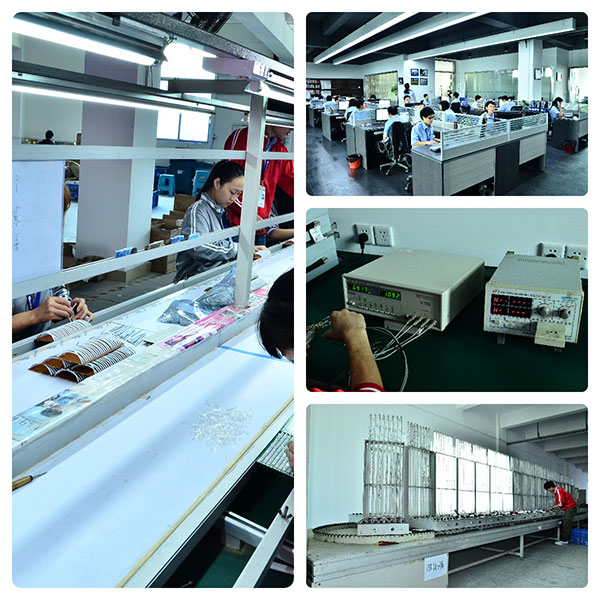
    LED Lights and Their Impact on Modern Architecture


    In recent years, LED (Light Emitting Diode) lighting has become a key element in the field of modern architecture. Initially seen as a basic, energy-efficient lighting option, LEDs have evolved into a transformative tool for architects, designers, and builders. Their influence goes beyond just energy savings and functionality. LEDs have redefined aesthetics, sustainability, and design innovation in the built environment. This article will explore how LED lighting has influenced modern architecture, from enhancing building designs to improving energy efficiency and contributing to environmental sustainability www.dekingled.com.

    Energy Efficiency and Cost Savings

    One of the most significant benefits of LED lights is their energy efficiency. Traditional lighting options, such as incandescent and fluorescent lights, consume more power and generate more heat. In contrast, LEDs use a fraction of the energy while producing the same amount of light. This drastic reduction in energy consumption makes LEDs the ideal choice for modern architecture, especially in large-scale commercial and residential buildings. Architects and builders are increasingly integrating LED lighting into their designs to lower energy costs and meet stringent energy standards.

    LED lights are also long-lasting, with a lifespan that far exceeds traditional light bulbs. This longevity reduces the frequency of bulb replacements, which not only lowers maintenance costs but also reduces waste, further contributing to the environmental benefits of LEDs. The savings in energy costs and maintenance make LED lighting an attractive choice for modern architecture, where budgets and sustainability goals are increasingly important.

    Aesthetic Flexibility and Design Innovation

    LED lights are no longer just a practical solution; they are now a critical tool for creative expression in architectural design. The flexibility of LED lighting allows architects to experiment with various effects, colors, and intensities, making it easier to create dynamic, visually striking environments. Whether illuminating a building's exterior or highlighting key interior elements, LEDs offer unparalleled versatility.

    In modern architecture, LED lights can be incorporated into virtually every aspect of the design. From accent lighting that highlights architectural features to color-changing lights that adapt to different moods or times of day, LEDs provide a wide array of design possibilities. The ability to integrate LED lighting seamlessly into surfaces, walls, floors, and ceilings allows for new design concepts that were not possible with older lighting technologies.

    Moreover, LEDs' compact size and low heat emission make them ideal for innovative design features. LED strips, panels, and bulbs can be embedded into unconventional spaces like glass facades, creating visually stunning effects without compromising the building’s functionality. These design capabilities allow modern architecture to push the boundaries of creativity while maintaining high-performance standards.

    Sustainability and Environmental Impact

    Modern architecture places a strong emphasis on sustainability, and LED lighting plays a pivotal role in achieving this goal. Compared to traditional lighting, LEDs are far more eco-friendly. They consume less energy, last longer, and are made from materials that are easier to recycle. Additionally, LEDs do not contain hazardous materials such as mercury, which is present in some other types of lighting.

    Sustainable architecture requires a careful consideration of the building’s energy usage, environmental impact, and resource conservation. LED lighting contributes to these objectives by significantly reducing the carbon footprint of buildings. Their energy efficiency means that less energy is required for lighting, which translates into lower greenhouse gas emissions. Furthermore, as part of the global movement toward net-zero buildings, the integration of LED lighting can help meet the rigorous environmental standards set by green building certifications such as LEED (Leadership in Energy and Environmental Design).

    Improving Human Health and Well-Being

    LED lighting is not only beneficial for the environment but also for the people who interact with it. The quality of light has a direct impact on human health, mood, and productivity. LEDs, due to their energy-efficient design, are capable of producing different color temperatures, from cool white to warm white, which can have varying effects on the human experience.

    For example, cool white light is often used in workspaces and offices because it helps increase alertness and productivity. Warm white light, on the other hand, creates a more relaxing atmosphere, which is suitable for residential and hospitality settings. LEDs can also be used to mimic natural daylight, a feature that has become increasingly important in architecture to promote well-being. Natural light helps regulate circadian rhythms, improving sleep patterns and reducing stress levels. By incorporating LEDs that simulate natural light patterns, architects can improve the overall health and well-being of building occupants.

    Additionally, LED technology is increasingly being used in "smart lighting" systems, where lighting can be adjusted based on individual preferences or external conditions, such as the time of day or weather. This personalization of lighting not only enhances comfort but also supports the growing trend toward intelligent, user-centric architecture.

    Conclusion

    LED lighting has revolutionized modern architecture in countless ways, from enhancing design flexibility and improving energy efficiency to promoting sustainability and enhancing human well-being. Its ability to transform spaces with innovative lighting solutions has made it an indispensable tool for architects and designers. As the technology continues to evolve, LEDs will remain at the forefront of architectural innovation, shaping the future of how we build and interact with our environments. With their energy-saving properties, long lifespan, and versatile design capabilities, LED lights have solidified their role as a cornerstone of modern architectural design.

    9, Dec 2025
    The Most Groundbreaking Television Camera Accessories For 2025

    As technology advances, the photography earth continues Wireless microphone systems Kenya to germinate with new, innovational camera accessories that help both amateurs and professionals get up their work. With the rapid pace of invention, 2025 is self-contained to bring up cutting-edge products that enhance user see, creativity, and the overall pictorial representation work on. From AI-powered devices to radical-efficient stabilisation tools, this article will research some of the most exciting and original tv camera accessories unsurprising to take the industry by surprise in 2025.

    1. AI-Powered Lens Filters

    In 2025, AI-powered lens filters will revolutionise the way photographers go about fancy processing in-camera. These filters will not only raise colors and but will also automatically correct settings based on the scene you re shooting. For example, AI filters could detect skin tones, skies, or landscapes and intelligently pull off the fancy s , white poise, and saturation to produce the hone shot without the need for post-processing.

    These filters will also come weaponed with real-time view realization, where the tv camera analyzes the subject and environment and applies the most appropriate visual effects, like bokeh sweetening or moral force boosts. AI will basically make photography more spontaneous by removing the need to manually adjust settings on the fly, making them a game-changer for both casual photographers and content creators.

    2. Modular Camera Systems

    Modular tv camera systems are unsurprising to become more rife in 2025, offer unexampled tractability for photographers and videographers. These systems allow users to mix and oppose various camera components like sensors, lenses, viewfinders, and grips tailoring their frame-up based on specific shot needs. Instead of purchasing an entirely new tv camera body for every shooting scenario, you can simply swap out parts to meet the requirements of your picture.

    For example, you could attach to a high-resolution sensing element for stills, swop to a 4K or 8K video sensing element for filmmaking, or even add a specialized grip for long shot sessions. This modularity opens up opportunities for photographers to experiment with different setups, at long las enhancing yeasty freedom. The power to customise your camera on the go will be a breakthrough for professionals who need various equipment without the burden of carrying quintuple cameras.

    3. Smart Tripods with Auto-Leveling

    While tripods have been a staple fibre accessory for photographers for decades, the hurt tripod is expected to become a must-have tool by 2025. These hi-tech tripods will come with well-stacked-in gyroscopes, accelerometers, and AI algorithms that mechanically set the tv camera s put over for perfect conjunction. Whether you’re shooting landscapes, portraits, or time-lapses, the hurt tripod will discover and for any tilting or unlevel surfaces, ensuring your camera stays utterly becalm.

    Some models may even boast integrated motorized systems that can pan, tilt, or cover subjects for dynamic shots. Photographers will be able to program their tripods to keep an eye on subjects or create automatic timelapse sequences with skillful movements. These tripods will be particularly salutary for videographers, who will no yearner need part rigs or manual focus pulls to accomplish smooth over, medium movements.

    4. Wireless Charging Camera Batteries

    In 2025, wireless charging will become the monetary standard for tv camera stamp battery engineering, eliminating the need for orthodox charging docks and cables. New stamp battery designs will be equipped with radio charging capabilities, allowing photographers to shoot their batteries on the go simply by placing them on a charging pad or within a charging case.

    This engineering will not only save quad but also streamline workflows by allowing seamless charging while on location. Imagine a day of shot where you don t need to plug in cables or wait for your batteries to shoot just place your spare batteries on a radio receiver pad between shots, and you ll be good to go. For professional person photographers or videographers working long hours, this will drastically reduce and assure an unbroken shooting experience.

    5. 360-Degree Virtual Reality(VR) Camera Attachments

    As VR and immersive grow in popularity, 360-degree camera attachments will become more pure and accessible for photographers and videographers in 2025. These attachments will allow users to convince their regular DSLR or mirrorless cameras into full 360-degree transcription , subject of producing surprising realistic world content.

    These will offer immoderate-high-resolution imaging, qualification it possible to produce professional-quality VR videos with ease. Furthermore, high-tech sewing algorithms will seamlessly unite footage from twofold lenses, eliminating the need for time-consuming post-processing. With more consumers overwhelming VR on platforms like YouTube, Facebook, and play consoles, this will be a must-have supplement for content creators looking to capture immersive moments for their audiences.

    6. Wireless Audio Recorders for Video Creators

    For videographers, radio receiver audio recorders are set to revolutionise the way they voice on set. In 2025, extremely compact, dependable, and high-quality wireless sound recorders that pair seamlessly with your television camera. These devices will use Bluetooth or Wi-Fi to transport sound straight to your television camera, eliminating the need for clumsy external microphones or sound recorders.

    What makes these truly innovational is their power to sync audio mechanically with the video footage. No more manual syncing in post-production these recorders will create a timecode link between the camera and the vocalise device in real-time, allowing the audio to be perfectly in sync with the video from the second you take up shooting. This will save a significant come of editing time and supply professional person voice timbre without the chivy.

    7. Self-Cleaning Lenses

    One of the more artistic movement innovations on the horizon for 2025 is the self-cleaning lens. These lenses will be coated with a specialised nanotechnology that repels dust, dirt, and even water droplets. This substance that photographers won’t have to worry about perpetually wiping down their lenses during exterior shoots, especially in harsh endure conditions.

    Self-cleaning lenses will not only broaden the lifetime of your gear but will also ascertain that your photos continue acutely and , free from smudges or scratches that can bear on visualize quality. This innovation will be particularly worthy for outside photographers who deal with thought-provoking environments like beaches, mountains, or rainy weather.

    8. Augmented Reality(AR) Viewfinders

    Another stimulating for 2025 is the integration of augmented world(AR) engineering into camera viewfinders. These AR viewfinders will overlie useful information direct onto the pictur prevue, such as focalize peaking, settings, and even a grid overlie for authorship. With AR, photographers will be able to see necessary data without taking their eyes off the scene they re shooting.

    This type of view finder will be especially beneficial for videographers, who need real-time feedback on various settings like couc rate, histogram, and audio levels. With real-time overlays, AR viewfinders will allow for more precise and faster decision-making, making the shooting work on more efficient.

    Conclusion

    The camera supplement commercialise in 2025 is collected for some dumbfounding advancements that will make picture taking and videography more self-generated, effective, and notional. From AI-powered filters to modular systems, radio set charging batteries, and AR applied science, these innovations will not only heighten the photographer s experience but will also give them the tools to push their creative thinking to new high. As these accessories become more available, photographers at every skill rase will have the chance to capture surprising images and videos in ways that were once out of the question. The time to come of picture taking is bright, and 2025 will doubtless be a year of unconvincing innovation.